
A Deep Dive into the Magic of Animal Shapes in Dungeons & Dragons

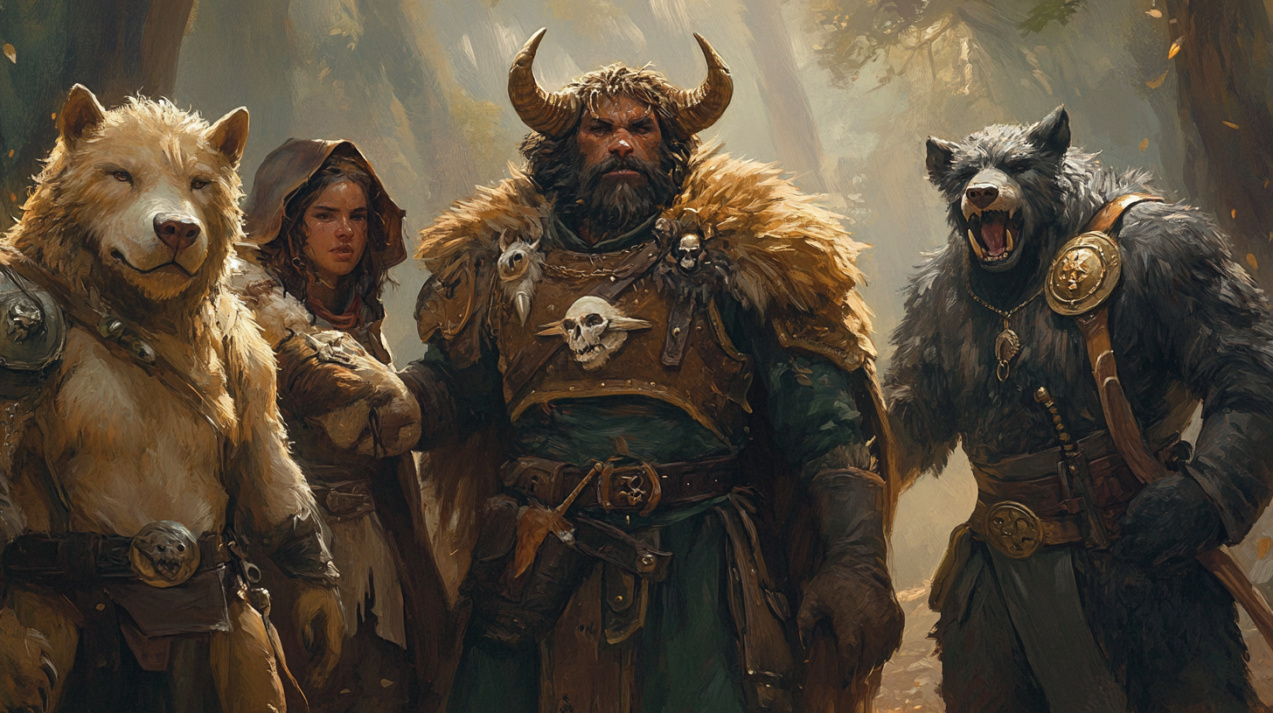
In Dungeons & Dragons (D&D), magic goes beyond just launching fireballs and casting lightning bolts. Some spells reshape reality, transforming not only the environment but also the very essence of those involved. One of the most fascinating spells in this category is Animal Shapes.
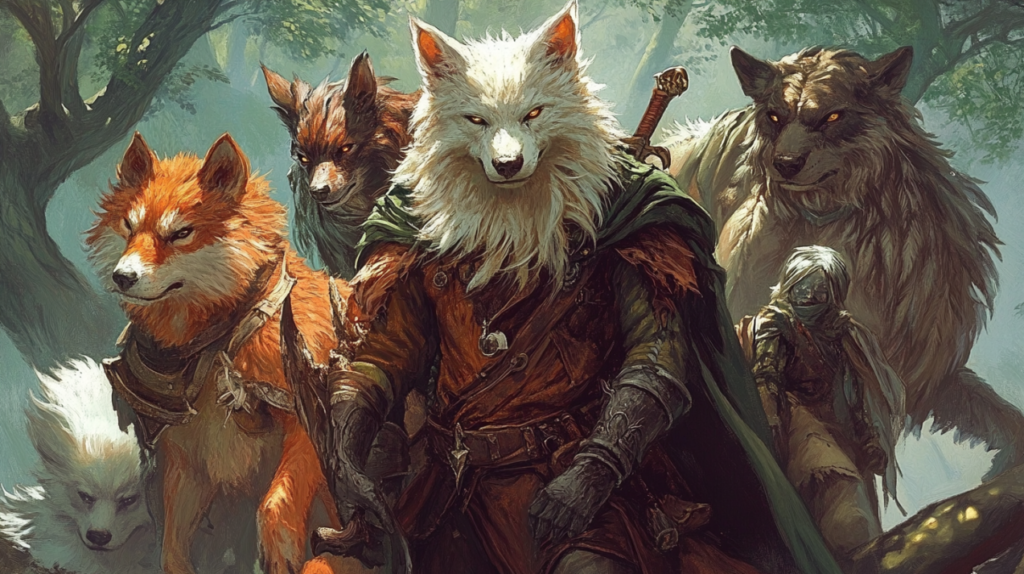
This 8th-level transmutation spell lets the caster turn a group of willing creatures into animals, altering their form, stats, and abilities to match the chosen beasts. Though it might seem straightforward at first, this spell holds great strategic potential in combat, exploration, and role-playing scenarios.
In this blog, we will take a deep dive into the fascinating spell Animal Shapes. We’ll break down its mechanics, explore its practical applications in different gaming scenarios, and share advanced strategies to maximize its potential.
Whether you’re looking to gain an edge in combat, solve complex puzzles in exploration, or add depth to your role-playing, this spell has something for everyone. Along the way, we’ll provide real-world examples, from intense battles to intricate social interactions, and address common questions to help you fully understand and utilize this versatile spell.
This is an adventure that takes you on a journey as we learn how to use the untamed power of Dungeons and Dragons by using Animal Shapes.
1. What are Animal Shapes? An Overview of the Spell
At its core, Animal Shapes is a transformative spell. The caster (typically a druid or another character capable of using transmutation magic) can turn one or more willing creatures into animals, changing their game stats to match those of the chosen beast.
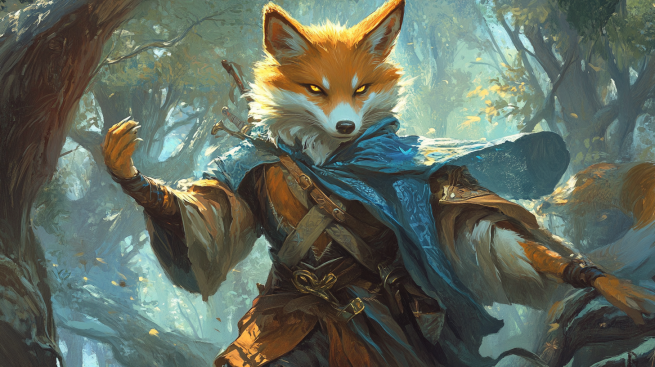
It’s an 8th-level transmutation spell, meaning it’s a high-level ability often reserved for experienced casters. It requires concentration to maintain and can last for up to 24 hours.
The spell allows the caster to transform any willing creature within a 30-foot radius into a beast with a Challenge Rating (CR) of 4 or lower. The transformation affects the target’s physical abilities, such as strength, speed, and health, but leaves the creature’s personality, alignment, and memories unchanged.
Key Mechanics of Animal Shapes:
- Casting Time: 1 action
- Range: 30 feet
- Components: Verbal (V), Somatic (S)
- Duration: Concentration (up to 24 hours)
- Target: Any willing creature within range
This spell is typically used by druids who specialize in shape-shifting, but other spellcasters with access to transmutation magic can use it as well. It’s a spell that’s perfect for giving your allies a new set of tools to face challenges, whether in combat, stealth, or exploration.
2. Understanding How Animal Shapes Affects Creatures
When you cast Animal Shapes, the target creatures transform into animals. These transformations are not just cosmetic—they change the target’s physical abilities. The creatures gain the physical stats of the animals they transform into, but their mental stats (such as Intelligence, Wisdom, and Charisma) are replaced by those of the beast.
Stat Modifications
- Physical Abilities: The target takes on the physical characteristics of the animal, including Strength, Dexterity, and Constitution scores.
- Mental Stats: The target’s Intelligence, Wisdom, and Charisma scores are replaced by those of the chosen animal. However, the creature’s personality, thoughts, and alignment remain the same.
- Hit Points: The transformed creature assumes the hit points of its new form. If the creature reverts back to its original form, it will return to the hit points it had before transforming.
For example:
- If you turn your fighter into a Dire Bear, the fighter will gain the bear’s immense Strength, Constitution, and hit points.
- The bear’s natural attacks, like claws and bites, replace the fighter’s weapon attacks.
- The fighter’s original Intelligence and Charisma will be replaced by the bear’s scores.
Example 1: A Wizard Transformed Into a Giant Spider
Let’s say you have a wizard in your party with a high Intelligence score. You decide to cast Animal Shapes and turn them into a giant spider. The wizard’s stats for Intelligence, Wisdom, and Charisma are replaced with the spider’s stats, and they gain the spider’s Strength, Dexterity, and Constitution as well.

- The wizard now gains climbing speed, poisonous bite attacks, and a web ability.
- They also gain the spider’s hit points, which are higher than the wizard’s original hit points.
While the wizard can still think and act as their usual self, their physical abilities become that of the giant spider. This means the wizard can now climb walls and attack with venomous bites, a useful ability if you’re trying to infiltrate a high tower or fight an enemy that’s resistant to traditional weapons.
3. Combat Uses for Animal Shapes
Animal Shapes is not only useful for exploration and stealth; it has enormous potential in combat as well. Transforming your allies into powerful animals can make them more capable of dealing damage, surviving longer, or providing utility in the heat of battle.
Combat Example 1: Turning a Fighter into a Bear
Your party is up against a dragon, and your fighter is a key part of your front line. You cast Animal Shapes and turn the fighter into a dire bear (Challenge Rating 4). The bear’s stats include massive hit points, Strength, and natural attacks (like claws and bites). Now your fighter can serve as a tank, absorbing massive amounts of damage while the rest of your party focuses on attacking.

- The dire bear’s natural attacks (claws, bites) give your fighter a significant damage boost.
- The bear’s high hit points provide your fighter with the durability to withstand dragon breath attacks.
- The bear’s Strength makes it easier to land heavy blows and grapple enemies.
This spell essentially makes your fighter much more difficult to take down, increasing the overall survivability of your party.
Combat Example 2: Turning a Rogue into a Wolf for Stealth
In another scenario, your rogue is trying to sneak past a group of enemies to disable a trap or gather intel. You cast Animal Shapes, transforming the rogue into a wolf. The wolf’s high Dexterity and keen senses (such as enhanced hearing and smell) give the rogue the edge in remaining undetected.
- The wolf’s keen senses allow the rogue to sniff out hidden traps or detect enemies from a distance.
- The wolf’s speed makes it easier to dash past enemies or move quickly in difficult terrain.
4. The Pros and Cons of Using Animal Shapes
Like all spells, Animal Shapes has its pros and cons. Understanding these can help you make the right choice for your party and campaign.
Advantages of Animal Shapes:
- Increased Combat Capabilities: Transforming your party members into powerful beasts can enhance their combat capabilities, allowing them to deal more damage, tank more hits, or use special abilities (like the web attack from a spider or the pounce of a big cat).
- Versatility: You can choose a different animal for each character, allowing you to tailor the transformation to the specific needs of the situation.
- Survival and Exploration: The spell is perfect for navigating dangerous terrain. Animals have different movement speeds (like climbing, swimming, or flying), making it easier for your party to overcome environmental obstacles.
Disadvantages of Animal Shapes:
- No Equipment: When transformed, your party members cannot use their weapons, armor, or magical items. This can be a serious drawback if the characters rely heavily on their equipment.
- Limited Beast Choices: Since you can only transform creatures into animals with a Challenge Rating of 4 or lower, you are limited in the strength of the creatures you can choose.
- Concentration Requirement: The spell requires concentration, meaning the caster cannot cast other concentration spells during its duration. Also, if the caster is hit or distracted, the spell might end prematurely.
Example 1: No Equipment
Imagine your barbarian is a heavy hitter, wielding a massive two-handed weapon. If you transform them into a bear or a lion, their gear melts into their new form, rendering the weapon useless. While the bear’s natural attacks can compensate, this can still be a drawback if the party is relying on magic items or enchanted weapons to deal with a powerful foe.
5. Advanced Strategies for Using Animal Shapes
To really leverage the power of Animal Shapes, you need to think strategically about the animals you choose and how you cast the spell.

Here are some advanced strategies to get the most out of this powerful transformation:
Infiltration and Stealth
Imagine you’re sneaking into an enemy fortress. The enemies are heavily armored, and the passageways are narrow. You turn your party into small animals like rats or spiders, which can easily slip past guards and hide in plain sight.
- A spider can climb up walls and across ceilings to bypass obstacles and sneak into enemy strongholds.
- A rat can squeeze through small holes or cracks, allowing for perfect infiltration.
This strategic use of Animal Shapes can allow your party to gather intelligence, disable traps, or even sneak into a location to steal an item without alerting any enemies.
Quick Getaways
If your party is cornered by enemies or needs to make a quick escape, transforming into animals with high speed or flight capabilities can save the day. For example, turning into hawks or eagles gives the party the ability to escape into the sky.
- A hawk can fly over the battlefield, providing a tactical advantage in terms of scouting, observation, or direct combat from above.
- A rabbit or deer could dash away from danger, evading pursuit by moving faster than the enemies.
Creative Combat
In creative combat scenarios, turning your party into animals with unique abilities can turn the tide of battle. Imagine turning your party into giant octopuses or crocodiles when facing off against water-based threats or enemies near a body of water. The octopus’s ability to grapple or constrict foes can be invaluable in a fight.
Conclusion
Animal Shapes is a spell in D&D that’s both incredibly versatile and powerful, blending creative roleplay with tactical advantages. You can use it to turn your party into stealthy infiltrators, transform allies into formidable combatants, or come up with clever ways to explore.

The possibilities are endless.
While the spell has its drawbacks—such as the lack of equipment usage and the concentration requirement—its strengths, particularly in terms of versatility and combat utility, make it an essential tool for any experienced spellcaster.
The next time you’re in a tough spot, consider Animal Shapes. You might just turn the tide of battle—or the course of your adventure—by embracing the wild magic it offers.
Frequently Asked Questions
1. Can I use Animal Shapes to turn into a dragon or other legendary beasts?
No, the spell only works on beasts with a Challenge Rating of 4 or lower, so you cannot transform into a dragon or other legendary creatures.
2. Can Animal Shapes be used on enemies?
No, Animal Shapes only works on willing creatures, so you cannot use it to transform enemies unless they agree to the change.
3. Does Animal Shapes affect a creature’s personality or alignment?
No, the spell only changes the creature’s physical form and stats. The creature’s personality, alignment, and memories remain unchanged.
4. Can I transform into any animal I’ve heard of?
No, you must have seen the animal in order to transform into it. The spell is about visualizing the creature and using your knowledge to transform.
5. Can I turn my party into a group of flying creatures?
Yes! If you need to get away from danger or scout the area, turning your party into flying animals like eagles or hawks can be an effective strategy.
6. What happens if a transformed creature drops to 0 hit points?
If the creature’s hit points drop to 0 during the transformation, it reverts to its normal form and resumes the hit points it had before the transformation.
7. Can I use Animal Shapes to transform into a creature I haven’t seen in person?
No, you must have seen the creature in its natural form before casting the spell. You can’t transform into something you’ve only heard about or read about.