
Rod of the Pactkeeper: Disclosing the Warlock’s Wield


There are a few artifacts that hold as much allure and importance for the eldritch arts practitioner as the Rod of the Pactkeeper. It belongs to that strange blend of the arcane and divine, shaping the destinies of heroes and villains in Dungeons & Dragons (D&D).
This is why the item, carried explicitly by warlocks, has much more significant meaning to them than an item symbolizing their Pact with other worlds’ powers. It is a potent device that helps them to lift their magic and draw strength from the sources of strength.
Although the Rod of the Pact Keeper is not just a thing of armament, it becomes the focal point for the Warlock’s arsenal with which to cast their dark or eldritch energies and strategies weave for battle. This artifact will seek to shed light on the role and importance of this piece as it dives down into the role and significance of gameplay for Warlocks of D&D.
Brief Overview of the Rod of the Pactkeeper
The Rod of the Pactkeeper is a legendary item designed for warlocks, a class of people who make pacts with powerful patrons to be granted access to arcane power. Traditional spellcasters draw from the well of magic through study or divine connection. Patrons give Warlocks their abilities through pacts, so the link is the only instrument between the Warlock and the patron for the strength of both parties.
The Rod of the Pactkeeper is said to enhance this other aspect of warlock magic, to provide bonuses as versatile as they are potent in aiding the character in battle and trials through their D&D game.
- Better spellcasting: In essence, the Rod of the Pactkeeper increases the Warlock’s spells Save DC and makes their enchantments harder to resist, while curses are also more daunting to be shaken off. This kind of increase in spell efficacy can spell the difference between domination and defeat in the heat of battle, giving the Warlock the ability to leverage their limited spell slots more effectively.
- Spell Slot Recovery: Other than increasing the spell’s potency, the Rod of the Pactkeeper helps regain spell slots once daily. This is invaluable in no small part since Warlocks have relatively few spell slots, effectively lengthening their magical endurance and allowing the class to maintain its offensive and support capabilities even over a more extended period or more encounters.
- Strengthened Pact Connection: Symbolic and functional, the Rod of the Pactkeeper deepens the Warlock’s connection with his otherworldly patron. Through narrative and role-playing dimensions, this further strengthens what it would mean to bear such an artifact of potent power and manifests in mechanical benefits to campaigns that may change how events unfold.
In gameplay, the Rod of the Pactkeeper is a game-changer for Warlocks—from being spellcasters to an instrumental class with significant success for the party. Its importance lies not only in its mechanical advantages but also in the fact that it offers players deeper immersion into the lore and the essence of being a Warlock in D&D.
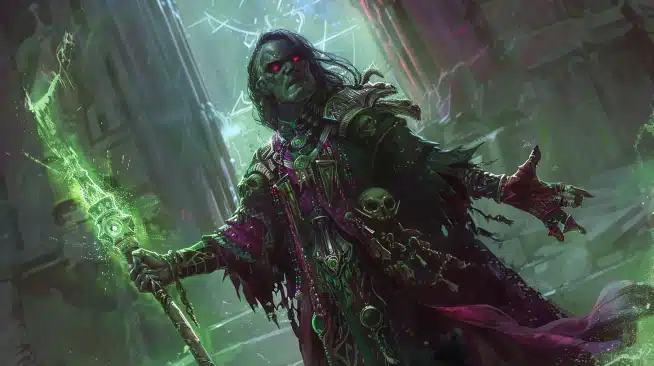
In raising spell effectiveness, ensuring sustainability in the use of magic, and further developing the thematic components of the Pact, the Rod of the Pactkeeper speaks volumes about the delicate balance of intricacy that power, strategy, and storytelling share in the world of Dungeons & Dragons.
Origins of the Rod: Historical Background and The Phandelver Pact
As enigmatic as the warlocks who would use them, the Rod of the Pactkeeper is of incredibly mysterious genesis that delves deep into the ancient magic and tradition of pacts between mortals and those living upon the other side of the Outer Planes.
The Rod’s history is like a tapestry woven from threads of myth, legend, and the occasional historical record—all pointing toward a time when the boundaries between worlds were more likely to be passable.

The first Rod of the Pactkeeper is believed to be created by one of the magical races at a time when the Pact held a strong place in the hearts of the Phandelver Pact—that excellent legendary agreement made so long ago in the Lost Mines of Phandelver, a place steeped in magic and mystery.
Legend said it was not simple, that it held to account one of the Warlock and his patron; instead, it was a complex and multilayered accord between many such Warlocks and an assembly of such powerful entities, each with their own agendas and desires.
He clinched this deal to ensure an age of mutual benefit: one with the deadly knowledge and another with the magical energies of their entente, which could be channeled through the Warlocks to give them undreamed-of power.
In turn, the entity had influence in the material world, and their will was enacted by their mortal counterparts. The Rod of the Pact Keeper was designed with this agreement in mind; it was a symbol and gave concrete shape to the tie between Warlock and Patron.
This Rod has been described as fashioned from material that is said to have come from beyond the material plane. This Rod only acts as a conduit to increase magic capability, but the proviso provides warlocks with a way to strengthen the third with their patrons, taking them into a more robust path but adding them further in servitude to the whims of patrons.

The Rod of the Pactkeeper serves as a monument of that significant moment in the history of magic, pointing to the deepening relationship of the mortal to the supernatural.
Over centuries, the knowledge of the Rod’s creation spread, and with it, the desire to replicate its power. The more the rods were forged, the more each became a testimony to the Pact between the Warlock and the patron. A compact of an ancient agreement gave mortals access to the unfathomable depth of magical power.
The origins of the Rod of the Pactkeeper, rooted in the Phandelver Pact, continue to fascinate and inspire. It lingers still as a powerful symbol of the dangerous and uneasy relationships between wielders of arcane magics and the strange entities that so often empower them. As the story of the Rod unfolds and new pacts are made, it speaks of the timeless allure and danger in seeking power from beyond the mortal land.
Physical Characteristics and Symbolism
The Rod of the Pact Keeper becomes a critical artifact for those known as warlocks in the shadowed corners of a magical world, where power is a pact brokered with entities beyond the comprehension of mere mortals.

This Rod represented their supernatural pacts, which were a tool in which they channeled their magic and stood witness to their bond with the otherworldly patrons. The El-Minya is marginalizing within its construction: ancient craftsmanship with mystical materials and symbols eldritch, teeming with their power and own significance.
Physical Characteristics Fashioned of the very stuff of the arcane and forged with materials born in the darkest places, every Rod of the Peacekeeper is a masterpiece of magical artifice. Most are two to three feet long and usually shadowed in mystery so that they are once versatile instruments of spellcasting and a symbol of authority.
The wood of the Eldertree, together with void-infused obsidian, further connects the Rod to the Warlock’s patron. It allows the Rod to enhance the Warlock’s spells and further put more control into the Warlock’s hand over his own filled-to-the-brim powers.
The top of the Rod would be crowned with some kind of gem or crystal, chosen for the affinity with which that particular Warlock derived his power. This served as the focus for warlock magic and as a reservoir for the energies a warlock wields.
It indeed was an interaction of the Warlock and the Rod: a symbiosis where feeling and power combined to show that the glow of the gemstone was deepened through the focus and determination of the Warlock.
Symbolism of the Runes and Iconography
Besides its beauty, the Rod of the pact keeper bears runes and symbols, and copies of old pacts were made between warlocks and their patrons.
But more than mere decorations, it is the lexicon of power. Every rune hums with magic that holds, preserves and empowers. Instead, The symbols seem to denote the patron’s domain: perhaps the abyssal depths, the feywild wilds, or the inscrutable knowledge realms of the Great Old Ones.

Runes are to provide the conduit for the Warlock’s magic and represent the growing bond between the Warlock and the patron. They would represent the essence of the Pact, changing as the Warlock has developed in understanding and wielding their powers.
The ever-changing tapestry of symbols constantly points the way for the Warlock along the crooked way of the arcane, marking milestones of power and knowledge—sometimes sacrifice. It makes the Rod of the Pactkeeper the keystone of the Warlock’s control: the link between mortal and Beyond. It’s the beacon of the Pact empowering him. It carries the ambition of the Warlock, patronage of the patron, and the swirling dance of power that thrums through existence.
Spell Attack Roll Bonuses
The Rod of the Pactkeeper helps warlocks cast spells better. It makes it easier for their spells to hit targets by giving a bonus to their accuracy. This is important because it helps ensure their spells work, especially in essential fights.
Saving Throw DC Bonuses
Also, the Rod makes it harder for enemies to resist or avoid the effects of the Warlock’s spells. It does this by making the spells more powerful, so enemies have more difficulty preventing or lessening their impact. This is crucial for spells that control or weaken enemies, like holding them in place or making them confused or scared.
Action Economy and Spell Slot Regeneration
Another significant advantage of the Rod of the Pactkeeper is that it helps warlocks cast more spells in a shorter time. This means they can use more magic during battles without needing long breaks to rest. Being able to cast more spells quickly can help in challenging situations, giving warlocks an edge in fights.
How Players Can Obtain the Rod In-Game
The Rod of the Pactkeeper can be acquired through various means within a campaign, leaving room for the Dungeon Master (DM) to weave it into the narrative.
Here are some possibilities:
- Reward: The Rod could be bestowed upon the Warlock for completing a quest for their patron, a powerful creature who recognizes their growing potential.
- Loot: Hidden within a forgotten tomb, guarded by a fearsome monster, or nestled amongst the spoils of a defeated enemy, the Rod could be a powerful item waiting to be claimed by a worthy warlock.
- Crafting: With the DM’s permission, a warlock could embark on a perilous quest to gather rare materials and forge the Rod, imbuing it with their own essence.
Rarity and Its Impact on Gameplay
The rarity of the Rod of the Pactkeeper significantly impacts its power and how it affects the game:
- Uncommon: This version offers a modest bonus to spellcasting, making it a valuable early-game acquisition. It allows players to experience the core benefits of the Rod without unbalancing encounters.
- Rare: A more potent iteration, the rare Rod grants a more substantial bonus and potentially additional abilities. This can significantly enhance the Warlock’s damage output and spellcasting versatility.
- Very Rare: The pinnacle of the Rod’s power, this version offers the highest bonuses and might possess unique enchantments. However, its immense power often comes at a cost, requiring the Warlock to fulfill specific obligations or face dire consequences.
The DM can choose the appropriate rarity based on the campaign’s level and desired power balance. Regardless of its form, the Rod of the Pactkeeper remains a coveted treasure, symbolizing a warlock’s potent connection to their patron and a testament to their mastery of the arcane.
The Conclusion
Choosing between a Rod of the Pactkeeper and a Pact Weapon depends on how you play. If you enjoy getting up close for combat, go for the Pact Weapon. But if you prefer casting spells, the Rod will boost your magic. The Rod of the Pactkeeper shows a warlock’s strong bond with their Pact, letting them use incredible otherworldly power.

When a warlock who knows what they’re doing holds the Rod, it feels like it’s part of them, a powerful reminder of their connection to something beyond this world.
FAQ: Rod of the Pactkeeper – Unveiling the Warlock’s Wield
Q: Does wielding a Rod of the Pactkeeper reveal a warlock’s pact magic source?
A: No, wielding the rod itself doesn’t inherently disclose the nature of a warlock’s pact. It functions as an arcane focus, a tool to channel their magic, not a symbol of their patron.
Q: Can anything on the Rod hint at the pact?
A: The Rod of the Pactkeeper is described in rulebooks as a simple, elegant rod. While the core design might be unrevealing, a Dungeon Master (DM) could add details that hint at the patron. For example, a rod adorned with raven feathers for a Fiend pact, or glowing runes for a Great Old One pact.
Q: Are there downsides to using the Rod?
A: There are no mechanical downsides to using the Rod. However, depending on the campaign setting, a warlock wielding a specific type of Rod (e.g., one decorated with demonic imagery) might attract unwanted attention.
Q: Can a Pact of the Blade warlock use the Rod as their pact weapon?
A: No, by RAW (Rules As Written), the Rod is not a weapon. It can be used as an improvised weapon in a pinch, but DMs have discretion on allowing it as a pact weapon.
Q: Can I use the Rod and a shield together?
A: Yes, you can use both the Rod and a shield. Warlocks don’t need a free hand to cast spells like some other classes.