
Bandits in the Shadows: A Guide to Creating Dynamic Encounters in D&D

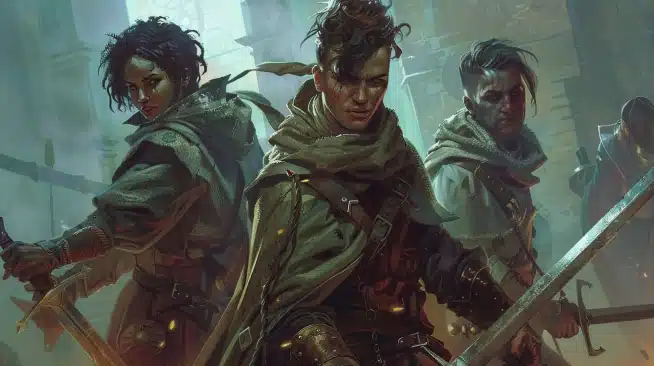
In the fantastical worlds of Dungeons & Dragons, danger lurks around every corner. From fire-breathing dragons to shadowy cults, brave adventurers face many threats. But there’s one menace that’s as common as it is cutthroat: the bandit.
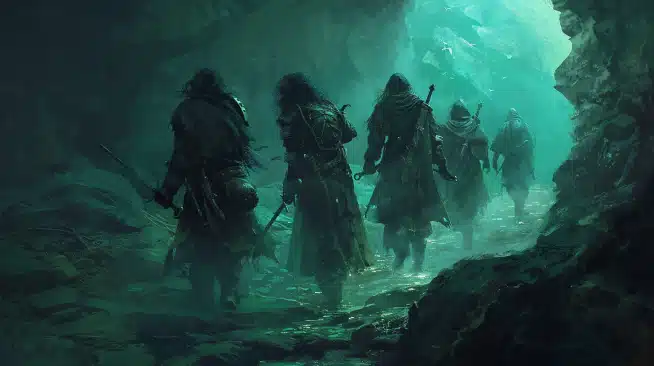
These scoundrels prey on the weak, the unwary, and the treasure-laden. They may be ragtag groups ambushing travelers on lonely roads or organized criminal enterprises with informants in every city. Regardless of their style, bandits constantly challenge adventurers, forcing them to consider the moral ambiguity of the world and the cost of protecting their hard-earned coin.
This guide delves deep into the world of D&D bandits, providing players and Dungeon Masters with everything they need to create compelling encounters and enrich their campaigns.
Crafting the Bandit: From Cutthroat to Charmer
Dungeons & Dragons (D&D) brims with possibilities for creating your ideal bandit character. Here, we’ll delve into some intriguing approaches to consider:
The Ruthless Rogue: A Stealthy Specialist
The rogue epitomizes the classic bandit archetype. They’re masters of stealth, nimbly navigating the shadows, expertly disarming traps, and picking locks. Subclasses like the Arcane Trickster weave magic into their repertoire, while the mastermind leverages cunning manipulation to achieve their goals.
The Bruiser: Muscle Makes the Move
Subtlety isn’t for every bandit. The barbarian or fighter brings brute force, striking fear into foes and shattering obstacles with raw power. The Battle Master fighter can strategically outmaneuver opponents, while the Zealot barbarian possesses unwavering resilience, making them a tenacious threat.
The Shapeshifting Bandit: Wild Shape or Martial Prowess?
Druids, with their dominion over wild shapes, can transform into animals to infiltrate heavily guarded locations. Conversely, monks excel in unarmed combat, turning their agility and silence into deadly weapons.
Beyond the Stereotype: A Bandit with Nuance
However, D&D is more comprehensive than these archetypes. Consider these ideas to craft a more nuanced bandit character:
- The Robin Hood Bandit: Stealing from the rich to give to the poor adds a layer of moral ambiguity. Perhaps your rogue steals from corrupt nobles to fund struggling villages.
- The Bandit with a Cause: Your bandit isn’t inherently evil but is driven by a greater purpose. Perhaps they steal artifacts to prevent them from falling into the wrong hands.
- The Reformed Bandit: Has your bandit seen the error of their ways and seeks redemption? They could use their past skills for good, becoming a bodyguard or bounty hunter.
Skills and Feats for the Bandit
Here are some skills and feats that can benefit any bandit character:
- Skills: Deception, Intimidation, Stealth, Athletics, Acrobatics
- Feats: Alert, Mobile, Sharpshooter (if using ranged weapons), Mage Slayer (if facing magic-wielding foes)
Equipment:
- Light or medium armor (for some protection but allowing for stealth)
- Daggers, shortswords, or a sword for close combat
- A backpack for carrying loot
- Disguise kit for blending in with the crowd
- Thieves’ tools for lockpicking and disabling traps
Remember, your bandit character is yours to create. Weave these ideas together to craft a personality, backstory, and motivations that make your bandit unique.
Exploring Motivations for Banditry
While the image of a bandit demanding your valuables might be a classic, their reasons for taking a life of crime can be far more nuanced. Understanding these motivations can flesh out your world and create genuinely memorable encounters for your players. Let’s delve deeper into these ne’er-do-wells’ hearts (or lack thereof).
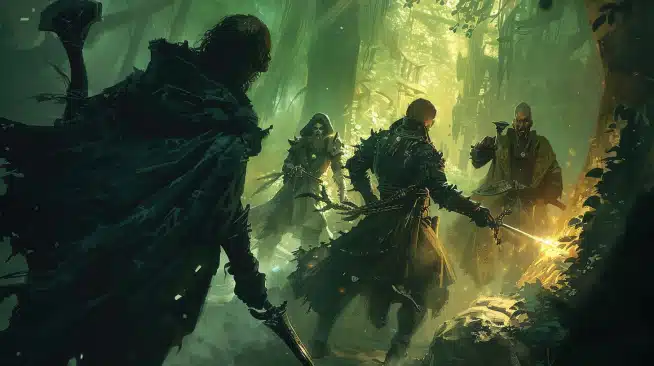
Greed: The Gilded Dream
Greed, the insatiable yearning for wealth, is undoubtedly a common bandit motivator. Some might be scraping by, driven by the desperate need to survive. Others might dream of a life of luxury, coveting riches to flaunt their power.
This greed can manifest in different ways. A highway robber might target flashy carriages, hoping for a quick score. A cunning bandit leader might mastermind elaborate heists, aiming for a fortune in a single strike. The players could encounter bandits obsessed with a particular item – a legendary artifact or a mythical gem – adding another layer to the challenge.
Desperation: When Hope Runs Dry
For some, banditry is a grim choice driven by despair. Poverty, famine, or war can force ordinary people into a life of crime. Imagine a farmer, his land ravaged by drought, resorting to banditry to feed his family. This creates a moral complexity for the players. Can they see past the bandit’s actions to the desperation that fuels them? Is there room for mercy, or is justice absolute?
Rebellion with a Rough Edge
Banditry might represent a form of rebellion in regions under the iron fist of tyranny. These bandits target tax collectors, disrupt the flow of resources to the oppressive regime, and offer a glimmer of hope to the oppressed populace. The players might be caught in the middle, forced to choose between aiding the bandits or upholding the (potentially corrupt) law.
Violence for its Own Sake
For some creatures, violence isn’t just a means to an end; it is a way of life. Orcs, goblins, and other monstrous humanoids might raid and pillage for the pure thrill of the fight. These bandits might be less interested in treasure and more focused on causing chaos and bloodshed. Encounters with such foes become brutal tests of strength and strategy for the players.
Beyond the Obvious: A Spectrum of Motivations
These are just a few examples, and the motivations for banditry can be as varied as the bandits themselves. Here are some additional ideas to consider:
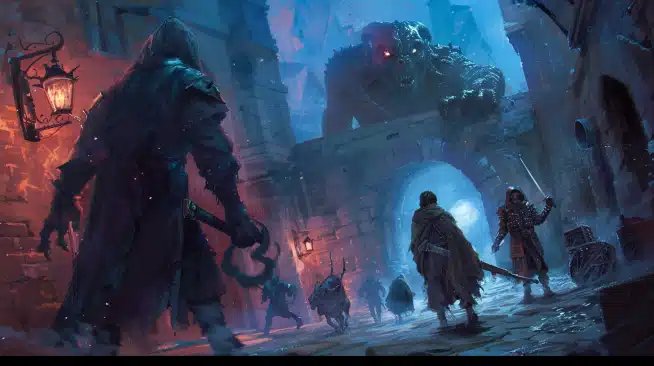
- Revenge: A bandit group might be fueled by a desire for vengeance, targeting those who wronged them in the past. The players could get tangled in this web of retribution, forced to choose a side or find a way to break the cycle of violence.
- Protection Racket: Bandits might offer “protection” to local communities, demanding tribute in exchange for (supposed) safety. This creates a tense dynamic where the players might have to negotiate with the bandits or find another way to keep the community safe.
- Ideology: A bandit group could be driven by a twisted ideology, believing their actions are justified. Perhaps they’re fanatical followers of a dark god or a warped sense of justice.
By understanding the motivations behind banditry, you can create encounters that are more than just a simple fight. These encounters can challenge the players’ morals, force them to make tough decisions and leave a lasting impression on their journey through your world.
The Art of the Steal: Bandit Tactics
Bandits constantly threaten those traveling the open road or venturing into untamed wilderness. These outlaws rely on a bag of tricks to maximize their gains while minimizing risk. Here’s a glimpse into the cunning tactics employed by these predators of the path.
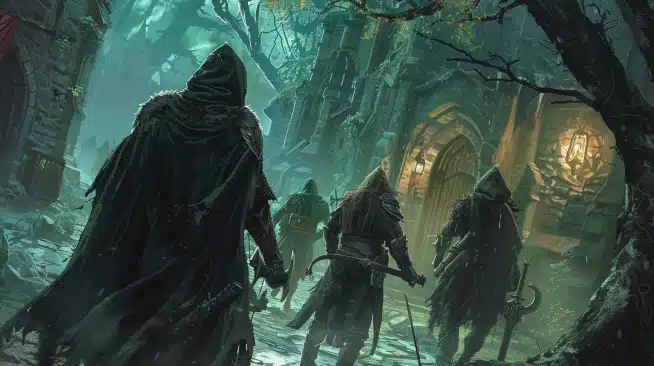
The Element of Surprise: A vital component of the bandit’s playbook is surprise. They’ll strike from concealed positions, using darkness, dense foliage, or even cleverly disguised traps to catch their victims off guard. Imagine a lone merchant caravan ambushed in a narrow mountain pass or a wealthy noble’s carriage waylaid on a moonless night. By striking when their targets are most vulnerable, bandits significantly increase their chances of success.
Overwhelming Odds: Numbers can be a great persuader. Bandit gangs often operate with enough workforce to overpower even well-armed travelers. The threat of a brutal fight against many attackers, even if poorly equipped, can coerce many into surrendering their valuables. This tactic is particularly effective when preying on smaller merchant groups or lone adventurers.
The Cunning Snare: For the more devious bandit, elaborate traps can be a chilling addition to their arsenal. These might be simple tripwires triggering logs to roll down a mountain path or cleverly disguised pits hidden beneath a seemingly innocent patch of ground. Sometimes, these traps are used to injure, slow down pursuers, or create an escape route. A well-placed snare can turn the tide of an encounter, giving bandits the upper hand.
Hit and Run: Not all bandits are interested in a prolonged fight. Highly mobile groups, often of nimble creatures like goblins or kobolds, may employ hit-and-run tactics. A flurry of arrows or a quick slash with a blade might be all it takes to snatch valuables before vanishing back into the wilderness. These swift attacks leave frustrated victims with little recourse as the bandits melt away into the shadows before any natural defense can be mounted.
By mastering these tactics, bandits carve out a precarious existence in the fringe lands. Understanding their methods is vital for anyone daring to venture into bandit-infested territory. Whether traveling in well-armed groups, employing vigilant scouts, or staying alert for potential traps, a little knowledge can go a long way in deterring these highwaymen and ensuring a safe journey.
Creating Bandit Encounters: Beyond the Coin Purse
Bandit encounters are a staple of fantasy RPGs, but repetitive ones can become tedious. Here’s how to craft bandit encounters that surprise, challenge, and leave a lasting impression on your players.
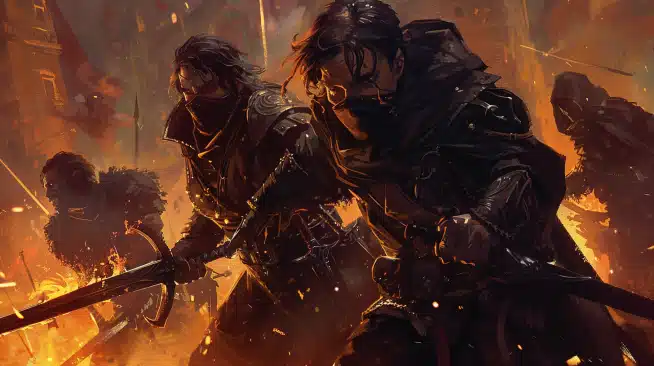
Variety is the Spice of Plunder
Ditch the one-dimensional thugs. Give your bandits depth! Here are some ideas:
- Motivations: Are they greedy opportunists, rebels fighting a corrupt system, or desperate folks trying to survive?
- Personalities: A flamboyant leader with a flair for theatrics? A stoic strategist who prioritizes efficiency?
- Tactics: Do they prefer brutal ambushes, cunning negotiations, or hit-and-run tactics?
- Appearance: Are they clad in mismatched leather or a unified, intimidating uniform?
Environment: The Silent Ally (or Foe)
The setting can drastically alter your encounter. Consider these factors:
- Terrain: A dense forest offers ambush opportunities and cover, while a wide-open plain forces a stand-up fight.
- Weather: A blinding snowstorm can disorient both sides, while a scorching desert sun adds an exhaustion element.
- Time of Day: A nighttime encounter might be a tense battle in the dark or a chance for the party to use stealth to their advantage.
Encounters Beyond the Coin Purse
Bandit encounters can be more than just a fight for treasure. Here are some ways to add variety:
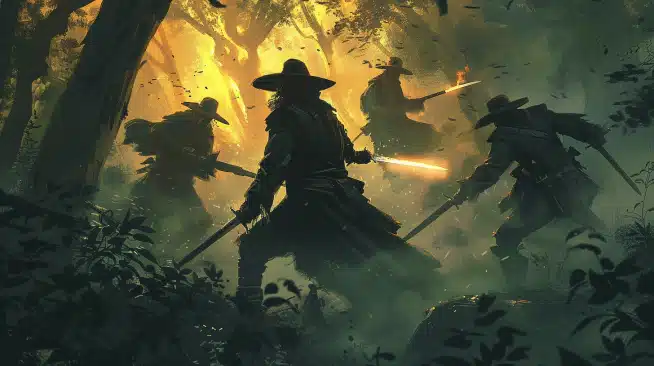
- The Moral Conundrum: The bandits capture innocents. Will the party fight, negotiate, or find a creative solution?
- The Bait and Switch: The bandits seem like easy prey, but they work for a more powerful villain.
- The Unexpected Ally: The bandits are robbed by another group, allowing the party to intervene or pick up the scraps.
- The Offer: The bandits propose a partnership, offering the party a share of a bigger heist in exchange for their skills.
Adding Flavor to the Fray
Spice up your encounters with these details:

- Descriptions: Don’t just say “three bandits.” Describe their armor, weapons, scars, and mannerisms.
- Dialogue: Give your bandits unique voices. Do they boast, threaten, or plead for mercy?
- Loot: Go beyond gold. Interesting trinkets, clues to a larger mystery, or even cursed items can add intrigue.
- Aftermath: Let the encounter have consequences. Did the bandits escape with hostages? Did the party attract unwanted attention?
By incorporating these tips, you can transform your bandit encounters from a dime-a-dozen hurdle into thrilling and memorable moments your players will talk about long after the dice are put away.
The Conclusion
The allure of the bandit in D&D is undeniable. They represent the ever-present threat lurking in the shadows, a constant reminder of the precarious nature of life in a fantastical world. From the desperate wretch driven to a life of crime to the cunning strategist amassing a fortune, bandits offer a spectrum of motivations and personalities that can enrich your campaign.
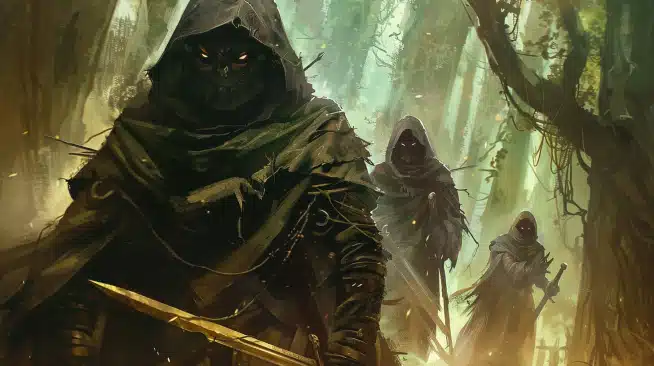
For Players: Bandit encounters provide opportunities for thrilling combat, challenging moral dilemmas, and creative problem-solving. They can be a source of valuable loot, a gateway to more extensive adventures, or a springboard for character development.
For Dungeon Masters: With creativity, you can craft bandit encounters that surprise and challenge your players. By weaving in diverse motivations, tactics, and settings, you can turn these fleeting interactions into memorable moments that shape the narrative of your campaign.
So, the next time your players venture into the wilds, remember: the shadows may hold not just danger but a chance for an unforgettable encounter that will leave a lasting mark on their journey.
FAQs
1. What is the role of bandits in D&D?
Bandits are a common enemy type in D&D that challenge adventurers in various ways. They can be a source of thrilling combat, moral dilemmas, and creative problem-solving.
2. What are some motivations for bandits to become criminals?
Greed is a common motivator, but some bandits may be driven by desperation, rebellion, or even violence for their own sake. There can also be more complex reasons like revenge, protection rackets, or twisted ideologies.
3. What tactics do bandits use?
Surprise is critical for bandits. They may ambush from hidden positions, overwhelm foes with numbers, use cunning traps, or employ hit-and-run tactics with ranged attacks.
4. How can I create exciting bandit encounters for my D&D campaign?
- Give your bandits depth with motivations, personalities, tactics, and unique appearances.
- Consider how the environment (terrain, weather, time of day) can influence the encounter.
- Move beyond simple fights for treasure. Introduce moral dilemmas, unexpected allies, or partnership offers.
- Add details to descriptions, dialogue, loot, and the aftermath of the encounter.
5. What are the benefits of bandit encounters for players?
These encounters can provide exciting combat, moral challenges, problem-solving opportunities, valuable loot, and connections to more extensive adventures.
6. What are the benefits of bandit encounters for Dungeon Masters?
With creativity, you can design surprising and challenging encounters. You can create memorable moments that shape your campaign’s narrative by using diverse motivations, tactics, and settings.