
Summon Celestial 5e: A Divine Invocation


Introduction
Players in Dungeons & Dragons 5th Edition (D&D 5e) can call upon various entities from different planes of existence with summoning spells to aid them in their quests. Among these, the Summon Celestial spell stands out as a beacon of hope and divine intervention.

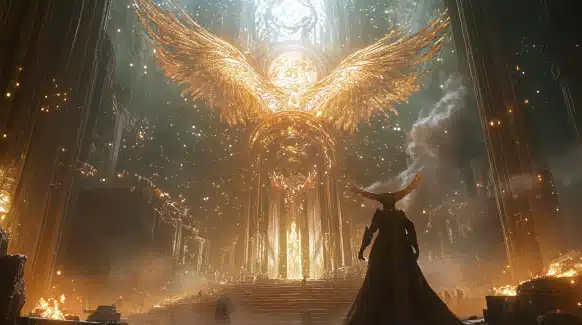
Summon Celestial is a 5th-level conjuration spell that brings forth a celestial being, a divine creature that embodies the essence of sound and light. This spell not only adds a powerful ally to the player’s arsenal but also offers a unique blend of combat prowess and thematic depth, making it a versatile tool for both combat and storytelling.
Your gameplay experience can significantly improve if you understand and utilize this spell, regardless of whether you are a novice or a seasoned veteran.
Understanding the Summoned Creature
When casting Summon Celestial, the player can choose between two types of celestials: the Avenger or the Defender. The Avenger is a winged, radiant warrior armed with a bow that shoots arrows of pure light, embodying the fury of divine retribution. In contrast, the Defender is a stalwart guardian equipped with a shield that can deflect incoming attacks and a mace that shines with holy power.
Appearance and Abilities
The Avenger’s appearance is awe-inspiring, with shimmering wings that reflect the light of the heavens. Its eyes glow with an inner fire, and its bow, crafted from celestial metals, radiates a palpable aura of power. When it takes flight, it moves with grace and speed, raining down arrows of light that pierce through the darkness and evil.

The Defender, on the other hand, exudes a sense of unyielding protection. Its armor is intricately designed with celestial symbols, each representing a different aspect of divine protection. The Defender’s shield is not just a physical barrier but a conduit for its holy powers, capable of repelling attacks and protecting allies. Its mace, glowing with divine energy, delivers powerful blows that can smite the wicked and heal the righteous.
Behavior and Autonomy
These creatures are not mere mindless summons; they possess a level of autonomy, acting based on their own initiative but always aligned with the summoner’s intentions. This autonomy can lead to exciting dynamics during gameplay, as the celestial might take actions that reflect its own divine nature and personality. For instance, an Avenger might prioritize targeting the most evil foe on the battlefield, while a Defender could choose to protect the most vulnerable party member.
Comparison with Other Summoned Creatures
Compared to other summoned creatures like fiends or beasts, celestials bring a unique set of abilities that often center around healing, protection, and dealing radiant damage—traits that make them invaluable against evil-aligned foes. Fiends summoned through spells like Summon Greater Demon typically offer raw power and destructive capabilities but lack the protective and healing aspects of celestials. Beasts summoned through spells like Conjure Animals can provide versatility and numbers but do not match the celestial’s divine abilities.
Tactical Considerations
In combat, Summon Celestial offers several strategic advantages. The Avenger, with its ranged capabilities, can engage enemies from a distance, providing support to melee-focused allies. Its radiant damage is particularly effective against undead and fiendish creatures, common adversaries in many campaigns. The ability to fly gives it a significant tactical advantage, allowing it to reach high ground, avoid ground-based hazards, and outmaneuver foes.

The Defender, on the other hand, can serve as a frontline protector, using its shield to absorb damage and its healing touch to keep allies in the fight. Its presence on the battlefield can turn the tide of battle, providing both offensive and defensive support as needed.
The Defender’s ability to heal and protect makes it a critical asset in prolonged engagements, where sustaining the party’s health and morale is essential.
Synergies with Other Spells and Abilities
Players can further enhance the effectiveness of their celestial companion by combining it with other spells and abilities. For example, buff spells like Bless or Aid can make the celestial even more formidable, while utility spells like Shield of Faith can bolster its defenses. The celestial’s radiant damage can be augmented by spells that lower enemy resistances or increase damage output, such as Faerie Fire or Divine Favor.

Class abilities can also synergize well with the Summon Celestial spell. A Cleric’s Channel Divinity can provide additional support and healing, while a Paladin’s Aura of Protection can enhance the celestial’s saving throws. Warlocks with the Celestial patron can use their healing light to bolster the celestial’s survivability further, creating a powerful combination of divine magic.
Potential Strategies and Tactics
Utilizing the celestial effectively requires strategic thinking and planning. Here are some potential strategies and tactics to consider:

- Divide and Conquer: Use the Avenger to target key enemy spellcasters or leaders, disrupting their plans and causing chaos among the ranks. Meanwhile, the Defender can hold the front line, protecting allies and drawing enemy attacks.
- Healing Support: In battles of attrition, the Defender’s healing abilities can keep the party in fighting shape. Position the Defender near the most vulnerable party members to provide immediate support and protection.
- Aerial Advantage: Take advantage of the Avenger’s flight capabilities to reach advantageous positions. Use high ground to gain a tactical edge, or fly over rugged terrain to strike at enemies who believe themselves safe.
- Radiant Power: Focus on enemies vulnerable to radiant damage, such as undead or fiends. The celestial’s attacks can exploit these weaknesses, dealing significant damage and potentially turning the tide of battle.
- Combination Attacks: Coordinate attacks with other party members. For example, have a Rogue use Sneak Attack on enemies engaged with the celestial or have a Wizard cast area-of-effect spells on groups of enemies clustered around the celestial.
Dealing with Enemy Spellcasters and Dispel Magic
Enemy spellcasters can pose a significant threat to summoned creatures, as spells like Dispel Magic or Banishment can remove the celestial from the battlefield. To counter this, players should consider the following tactics:
- Counterspell: If available, use Counterspell to disrupt enemy attempts to dispel or banish the celestial. Position spellcasters strategically to cover the celestial and intercept enemy spells.
- Protective Measures: Use spells like Warding Bond or Sanctuary to provide additional protection to the celestial, making it harder for enemies to target or affect it with magic.
- Diversion Tactics: Create distractions or secondary threats to draw enemy attention away from the celestial. Summon additional creatures, use illusions, or employ guerrilla tactics to split enemy focus.
Roleplaying Opportunities
Beyond the mechanics, Summon Celestial offers rich roleplaying possibilities. Each celestial has its own personality and alignment, which can influence its interactions with the party and NPCs. This opens up avenues for storytelling, as the celestial might have its own mission or agenda that aligns with the party’s goals.

The Celestial’s Personality and Alignment
Celestials are beings of pure good, and their alignment typically reflects this. They are lawful, excellent, or neutral good, always striving to uphold justice, compassion, and righteousness. This alignment can influence their behavior and decisions, adding depth to their interactions with the party.

An Avenger might have a stern and uncompromising personality, focused on punishing evildoers and defending the innocent. It might offer advice or guidance based on its strict moral code, challenging the party to consider the ethical implications of their actions.
A Defender, in contrast, might exhibit a nurturing and protective demeanor, always seeking to heal and safeguard those in need. It might form close bonds with party members, offering comfort and support during difficult times.
Interactions with Party Members and NPCs
The celestial’s interactions with the party can lead to memorable roleplaying moments. It might serve as a mentor or advisor, offering wisdom and guidance. Its presence can also create opportunities for character development as party members reflect on their own beliefs and values in light of the celestial’s influence.

NPCs might react differently to the celestial based on their own alignments and backgrounds. Good-aligned NPCs might view the celestial as a blessing, while evil-aligned NPCs might see it as a threat. These reactions can drive the narrative forward, creating conflicts or alliances that shape the campaign’s direction.
Potential Story Arcs and Quests
In a roleplay-heavy campaign, the celestial could become a recurring character, participating in quests and story arcs that explore themes of good versus evil, redemption, and divine intervention. The presence of a celestial can also impact the party’s dynamics, especially if there are members with conflicting alignments or backgrounds.

Potential story arcs involving the celestial might include:
- Divine Mission: The celestial might have a specific mission or quest that aligns with the party’s goals. This could include hunting down a powerful evil entity, retrieving a sacred artifact, or protecting a holy site from desecration.
- Redemption Arc: A party member with a dark past might seek redemption with the celestial’s guidance. This could lead to personal growth and character development, as the celestial helps the party member atone for their past sins and find a path to righteousness.
- Moral Dilemmas: The celestial’s strict adherence to its moral code can create conflicts and dilemmas for the party. Decisions that seem straightforward might be complicated by the celestial’s perspective, forcing the party to consider the greater good and the consequences of their actions.
- Divine Intervention: The celestial might call upon higher powers for aid, resulting in divine intervention that impacts the campaign’s narrative. This could involve receiving visions, blessings, or guidance from celestial beings, adding a layer of divine mystique to the story.
Incorporating the Celestial into Roleplay-Heavy Campaigns
For Dungeon Masters running roleplay-heavy campaigns, incorporating the celestial into the narrative can enhance the overall experience.
Consider the following tips:
- Character Development: Use the celestial to facilitate character development and exploration. Encourage players to interact with the celestial, asking questions and seeking advice.
- Moral Challenges: Present the party with moral challenges and dilemmas that require thoughtful consideration. The celestial’s input can add complexity and depth to these situations, prompting meaningful discussions and decisions.
- World-Building: Integrate the celestial into the campaign’s world-building. Create lore and backstory for the celestial, including its origin, purpose, and connection to the divine planes. This can enrich the campaign’s setting and provide context for the celestial’s presence.
- Recurring NPC: Treat the celestial as a recurring NPC with its own goals, motivations, and personality. Allow it to evolve and grow alongside the party, forming bonds and relationships that impact the narrative.

Building a Celestial-Focused Party
For those interested in delving deeper into the celestial theme, building a party around the Summon Celestial spell can be a rewarding experience. Clerics and Paladins, with their divine magic and abilities, naturally synergize well with celestial summons. Warlocks with a Celestial patron or Sorcerers with the Divine Soul origin can also complement the theme, adding layers of divine magic to the party’s capabilities.
Class Combinations and Synergies
Creating a celestial-themed party involves selecting classes that enhance and complement the Summon Celestial spell. Here are some class combinations and their synergies:
- Cleric (Life Domain): Life Domain Clerics can amplify the healing capabilities of the Defender Celestial, ensuring the party remains healthy and resilient. Their Channel Divinity: Preserve Life ability can provide additional healing support, making the party nearly unstoppable in prolonged engagements.
- Paladin (Oath of Devotion): Paladins with the Oath of Devotion embody the principles of justice and righteousness, aligning perfectly with celestial themes. Their auras and smites can bolster the celestial’s effectiveness, creating a powerful combination of offense and defense.
- Warlock (Celestial Patron): Warlocks with a Celestial patron gain access to healing and radiant damage abilities, enhancing the party’s overall divine power. Their Healing Light feature provides additional healing resources, while their Pact Magic offers versatility in spell casting.
- Sorcerer (Divine Soul): Divine Soul Sorcerers blend arcane and divine magic, offering a wide range of spells that can support and enhance the celestial. Their access to both cleric and sorcerer spells provides flexibility and utility in various situations.
Role Distribution and Party Dynamics
Creating a celestial-themed party involves more than just choosing the suitable classes; it requires careful consideration of role distribution and party dynamics. Each member should have a clear role that contributes to the overall effectiveness of the group, whether it’s healing, damage dealing, or support.

- Tank and Frontline Defender: The Paladin or a Defender celestial can serve as the party’s tank, drawing enemy attacks and protecting allies. Their high armor class and hit points make them ideal for soaking damage and holding the line.
- Healer and Support: The Life Domain Cleric or a Warlock with Healing Light can provide essential healing and support, keeping the party in fighting shape. Their healing spells and abilities ensure the party can withstand prolonged engagements.
- Damage Dealer: The Avenger celestial, along with a Divine Soul Sorcerer, can deliver significant damage to enemies. Their radiant attacks and spells can exploit weaknesses and deal heavy blows to evil-aligned foes.
- Utility and Control: The Warlock or Sorcerer can provide utility and control through their spellcasting. Spells like Hold Person, Counterspell, and Dispel Magic offer valuable options for controlling the battlefield and disrupting enemy plans.
Creating a Cohesive Party Theme
To create a cohesive party theme centered around celestial magic, consider incorporating the following elements:

- Backstories and Motivations: Develop character backstories and motivations that align with the celestial theme. Each party member might have a personal connection to the divine, such as a vision, prophecy, or divine calling.
- Divine Quests and Goals: Establish overarching quests and goals that reflect the party’s divine mission. This could involve hunting down powerful evil entities, retrieving sacred artifacts, or protecting holy sites from desecration.
- Symbolism and Aesthetics: Incorporate celestial symbolism and aesthetics into the party’s appearance and gear. Use celestial motifs, colors, and designs to create a unified and visually striking party.
Homebrew and Customization
For Dungeon Masters and players looking to add a personal touch to their campaigns, there are plenty of opportunities for homebrewing and customizing celestial creatures. Creating new celestial types with unique abilities can add variety and challenge to encounters.
Ideas for Homebrewing Additional Celestial Creatures
Homebrewing additional celestial creatures allows you to tailor the campaign to your preferences and introduce new challenges. Here are some ideas for custom celestial creatures:

- Celestial Guardian: A mighty celestial warrior with enhanced defensive abilities capable of creating protective barriers and absorbing damage. Its presence can bolster the party’s defenses and provide additional protection in tough battles.
- Celestial Healer: A divine being specializing in healing and support, capable of restoring significant amounts of hit points and removing hostile conditions. Its abilities can provide essential healing resources and keep the party in fighting shape.
- Celestial Avenger: A wrathful celestial with powerful offensive capabilities, capable of dealing massive radiant damage and smiting enemies with divine fury. Its presence can turn the tide of battle and deliver devastating blows to evil foes.
- Celestial Messenger: A divine emissary with abilities focused on communication and diplomacy, capable of conveying messages, seeking information, and negotiating with otherworldly beings. Its presence can facilitate roleplaying and storytelling, adding depth to the campaign’s narrative.
Modifying the Summon Celestial Spell
Modifying the Summon Celestial spell for different levels or effects can tailor it to fit the campaign’s theme and difficulty. Here are some ideas for modifications:

- Lower-Level Version: Create a lower-level version of the spell that summons a lesser celestial with reduced abilities and power. This can provide early-game support and introduce celestial themes without overpowering the party.
- Higher-Level Version: Develop a higher-level version of the spell that summons a more powerful celestial with enhanced abilities and effects. This can provide late-game challenges and rewards, adding excitement and depth to high-level encounters.
- Alternative Effects: Introduce alternative effects for the spell, such as summoning multiple lesser celestials or creating temporary celestial constructs. These effects can add variety and flexibility to the spell, allowing players to adapt to different situations and challenges.
Balancing Custom Celestial Creatures
Balancing custom celestial creatures is crucial to maintaining the campaign’s integrity. The celestial should be powerful enough to feel impactful but not so strong that it overshadows the other players or trivializes encounters. Consider the following tips for balancing custom celestials:

- Hit Points and Damage: Ensure the celestial’s hit points and damage output are appropriate for the party’s level and the campaign’s difficulty. Avoid making the celestial too durable or too fragile, and balance its damage to match the party’s capabilities.
- Abilities and Actions: Limit the number and power of the celestial’s skills and actions to prevent it from becoming overpowered. Focus on creating a few impactful skills that complement the party’s strengths and weaknesses.
- Challenge Rating: Assign an appropriate challenge rating (CR) to the celestial based on its skills and power. Use existing creatures and spells as references to ensure the celestial fits within the campaign’s balance.
- Testing and Feedback: Playtest the custom celestial in various encounters and solicit feedback from players. Adjust its abilities and power based on its experiences and observations, ensuring it enhances the campaign without disrupting the balance.
Conclusion
In conclusion, the Summon Celestial spell in D&D 5e offers a wealth of possibilities for both combat and storytelling. Whether you’re a player looking to add a divine ally to your character’s arsenal or a Dungeon Master seeking to enrich your campaign’s narrative, Summon Celestial provides a unique blend of power and thematic depth that can enhance any adventure.

By understanding the summoned creature’s abilities, utilizing strategic tactics, exploring roleplaying opportunities, and customizing the spell to fit your campaign, you can create a memorable and impactful experience that resonates with the light of the heavens.
So, reach out to the divine, summon your celestial companion, and embark on a journey that will illuminate your path with the radiance of the heavenly realms.
FAQ on Summon Celestial 5e
1. What is the Summon Celestial spell in D&D 5e?
Summon Celestial is a 5th-level conjuration spell that allows a player to summon a celestial being to aid in combat and roleplaying scenarios. The player can choose between two types of celestials: the Avenger, a ranged attacker, or the Defender, a protective guardian.
2. What abilities do the summoned celestials possess?
The Avenger uses a radiant bow for ranged attacks and deals extra radiant damage, making it effective against undead and fiends. The Defender wields a mace and shield, can heal allies, and has high defensive capabilities to protect the party.
3. How can I effectively use a summoned celestial in combat?
Use the Avenger for ranged support and to target key enemies from a distance. Utilize the Defender to absorb damage and heal allies. Combine their abilities with buffs like Bless or utility spells like Shield of Faith for maximum effectiveness.
4. What are the roleplaying opportunities with a summoned celestial?
Summoned celestials can enhance roleplaying by acting as divine mentors or guides, influencing party dynamics with their personalities and moral alignments. They can also drive story arcs involving divine missions, moral dilemmas, and redemption quests.
5. Can I customize the Summon Celestial spell for my campaign?
Yes, Dungeon Masters can homebrew additional celestial types, modify the spell for different levels, and balance custom celestials to fit their campaign’s theme and difficulty, providing tailored challenges and enriching the game’s narrative.