
Unleashing the Power of Flame Tongue in D&D 5e


Introduction
It is a game filled with magic, adventure, and endless possibilities in Dungeons & Dragons 5th Edition (D&D 5e). Using magic weapons to turn the tide of battle or add depth to your character’s story is one of the most exciting aspects of the game. Among these magical weapons, the Flame Tongue is a favorite for many players.

This blog post will explore everything you need to know about the Flame Tongue—how it works, its benefits, and some creative ways to use it in your campaign. Whether you’re a player looking to wield this fiery blade or a Dungeon Master planning to introduce it into your game, you’ll find useful insights here.
What is Flame Tongue?
Flame Tongue is a rare magic weapon in D&D 5e, known for its ability to deal significant fire damage. It can take the form of various types of swords, including:
- Longsword
- Greatsword
- Rapier
- Scimitar
What makes the Flame Tongue special is its activation method and its effects when activated. The blade bursts into flames by using a bonus action to speak a command word. This fiery transformation makes the weapon look incredibly cool and grants it powerful abilities in combat.
Activation and Effects
- Activation: The wielder must use a bonus action to speak the command word to ignite the blade.
- Effects: When activated, the Flame Tongue sheds bright light in a 40-foot radius and dim light for an additional 40 feet. The weapon also deals an extra 2d6 fire damage on a hit, making it a formidable tool in any adventurer’s arsenal.
Mechanics and Usage
How to Activate and Deactivate Flame Tongue
Activating the Flame Tongue is as simple as using a bonus action to speak the command word. Once activated, the blade ignites, and the weapon’s additional powers come into play. To deactivate the weapon, you can use another bonus action to speak the command word again, causing the flames to extinguish.
Breakdown of the Additional 2d6 Fire Damage
The extra 2d6 fire damage is added to the weapon’s normal damage. This means if you’re wielding a longsword that deals 1d8 slashing damage when the Flame Tongue is activated, it deals 1d8 slashing damage plus 2d6 fire damage. This makes the weapon particularly powerful in combat, especially against enemies vulnerable to fire.
Utility as a Light Source
Beyond its combat capabilities, the Flame Tongue also serves as an excellent light source. In dark dungeons or nighttime settings, the weapon’s bright and dim light can help you navigate or even serve as a signal to allies.
In-Game Scenarios Where Flame Tongue Shines
Here are a few examples of situations where the Flame Tongue can be particularly beneficial:

- Dark Caverns: Exploring a pitch-black cave? Activate Flame Tongue for both light and combat readiness.
- Battling Undead: Many undead creatures are vulnerable to fire damage, making Flame Tongue a great choice.
- Navigating Dangerous Terrain: Use the light from the Flame Tongue to spot traps or hidden foes.
Benefits of Using Flame Tongue
Increased Damage Output
The additional fire damage from Flame Tongue can significantly increase your character’s damage output, making it easier to defeat tough opponents. Fire is a common vulnerability among many monsters so that this weapon can be a game-changer in certain encounters.
Situations Where Fire Damage is Effective
Certain creatures in D&D 5e have specific vulnerabilities to fire, such as trolls or some types of undead. Using Flame Tongue in these situations can turn a difficult battle into a manageable one, allowing you to leverage this elemental damage to your advantage.
Versatility
Flame Tongue is a versatile weapon that can fit into various character builds and fighting styles. Whether you’re a nimble rogue with a rapier or a mighty warrior with a greatsword, Flame Tongue can complement your combat strategy. Its adaptability makes it a favored choice across different classes and playstyles.
Comparison with Other Magic Weapons
Compared to other magic weapons, Flame Tongue holds its own due to its straightforward and powerful abilities. While some weapons offer more complex or situational effects, the consistent extra fire damage and the light source utility make Flame Tongue a reliable and effective choice in many scenarios.
Utility Beyond Combat
Flame Tongue’s utility isn’t limited to combat. Its ability to provide light makes it a valuable tool during exploration, especially in dark or underground environments. Additionally, in specific campaign settings like those with a heavy emphasis on elemental themes, Flame Tongue’s fire damage and light source can provide unique advantages.
Creative Uses in Campaigns
Story Hooks
Introducing Flame Tongue into your campaign can add rich narrative possibilities. Perhaps the sword was forged by a legendary blacksmith using dragon fire, and your party must seek it out to defeat a great evil. Alternatively, the weapon could have a curse attached to it, leading to unexpected consequences for its wielder.
Potential Backstories and Legends
The Flame Tongue could be tied to an ancient prophecy or a fallen hero whose spirit still lingers within the blade. Creating a backstory for the weapon can add depth to your campaign and give players a greater connection to the item.
Quests
Designing a quest around obtaining or reclaiming Flame Tongue can be an exciting adventure. The sword might be hidden in a dangerous location, guarded by powerful creatures, or even stolen by a rival faction. The journey to acquire the weapon can be filled with challenges and memorable encounters.
Challenges and Encounters
When integrating Flame Tongue into your campaign, consider the challenges the party might face. Activating the sword requires knowledge of a forgotten language or the flames must be rekindled by defeating an elemental fire. These elements can make the acquisition and use of Flame Tongue more rewarding.
Character Development
Flame Tongue can also serve as a milestone in a character’s personal journey. For example, a character might seek the sword to avenge a fallen comrade or to prove their worth to a mentor. The weapon can symbolize their growth and achievements, adding emotional weight to their story.
Role-Playing Opportunities
Encourage players to use Flame Tongue in creative ways. Perhaps they light a campfire with it, use the sword’s light to send signals in the dark, or even threaten enemies with its fiery edge during an interrogation. Role-playing these moments can enhance the overall experience of the campaign.
Tips for Dungeon Masters
Balance
As a Dungeon Master, it’s important to ensure that Flame Tongue doesn’t overshadow other players’ abilities. While the weapon is powerful, you can balance encounters by introducing enemies resistant to fire damage or creating situations where the sword’s abilities are less effective.
Adjusting Encounters
When a player wields Flame Tongue, consider tweaking encounters to maintain a challenge. You might include creatures with fire resistance or environments where the sword’s light could attract unwanted attention, adding layers of strategy to its use.
Customization
Feel free to customize Flame Tongue to fit your campaign’s theme. You might alter the command word, change the type of damage it deals with, or add unique properties, such as requiring a ritual to reignite the flames after each use. These modifications can make the weapon feel unique to your game.
Adding Unique Properties or Limitations
Introducing limitations, like a limited number of uses per day or a cooldown period after each activation, can keep the weapon from becoming too powerful. Alternatively, you could enhance it with unique abilities, such as causing a fiery explosion on a critical hit or granting resistance to fire damage while wielding it.
Role-Playing
Encourage your players to think creatively about how they use Flame Tongue. Whether they’re solving puzzles, interacting with NPCs, or battling enemies, the sword can be more than just a tool for dealing with damage. By weaving its abilities into the story, you can create memorable moments that resonate with the players.
Conclusion
Flame Tongue is a versatile and powerful magic weapon in D&D 5e, offering both mechanical advantages and rich storytelling potential. Its ability to deal extra fire damage and provide light makes it a valuable asset in combat and exploration. For Dungeon Masters, Flame Tongue offers numerous opportunities to enrich your campaign with creative story hooks, challenges, and character development.
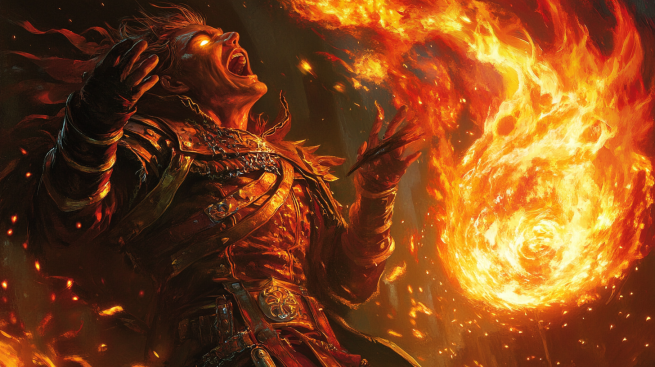
Whether you’re a player eager to wield this fiery blade or a Dungeon Master looking to introduce it into your game, Flame Tongue is sure to ignite your imagination and bring new excitement to your D&D 5e adventures. So go ahead, unleash the power of Flame Tongue, and let the flames of adventure burn bright!
Frequently Asked and Answered Questions
1. Can I change the form of the Flame Tongue weapon after I obtain it?
- Answer: No, once you acquire Flame Tongue, its form (whether it’s a longsword, greatsword, rapier, or scimitar) is fixed. The form is determined when the item is placed in the game or when you find it. If you want a different type of weapon, you’ll need to find or craft a new Flame Tongue in that form.
2. Does the additional 2d6 fire damage from Flame Tongue affect all creatures, including those resistant or immune to fire?
- Answer: The extra 2d6 fire damage is added to every attack, but it is subject to the target’s resistances and immunities. If a creature is resistant to fire, the fire damage is halved. If a creature is immune to fire, it takes no fire damage from Flame Tongue.
3. Can the Flame Tongue be used to ignite objects or start fires?
- Answer: Yes, since the blade is covered in flames when activated, it can be used to ignite flammable objects such as torches, campfires, or even enemy clothing under the right circumstances. However, this is generally at the Dungeon Master’s discretion and may require a successful attack roll or a skill check.
4. How long does the Flame Tongue stay lit once activated?
- Answer: Flame Tongue stays lit until the wielder uses a bonus action to speak the command word again, deactivating the flames. There’s no time limit for how long the blade can stay lit, so it can remain active throughout an entire encounter or until you decide to extinguish it.
5. Can multiple characters activate Flame Tongue if they know the command word?
- Answer: Only the character currently wielding Flame Tongue can activate or deactivate it using a bonus action. Knowing the command word is necessary but not sufficient; you must be holding the weapon to control its flames. If another character gains possession of the sword, they can activate it as long as they know the command word.