
The Ultimate Guide to the Dancing Sword in D&D 5e: Unleashing Your Floating Weapon

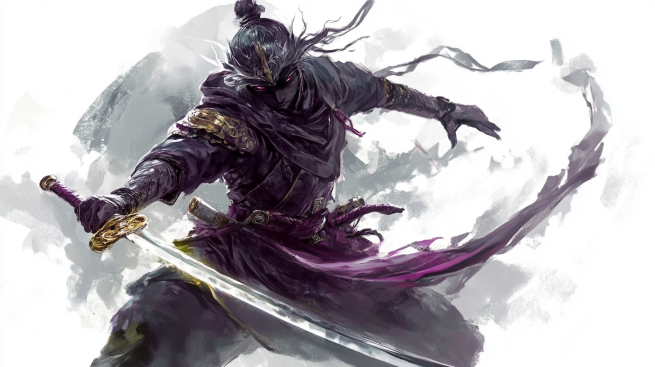
In the magical world of Dungeons & Dragons (D&D), players are always on the lookout for weapons that bring both power and style. The Dancing Sword, a classic weapon with a unique enchantment, perfectly fits this niche, giving characters the ability to command their sword to fight alongside them.

This guide will cover every aspect of the Dancing Sword in D&D 5e: what it is, how it works, its tactical uses, class synergies, and creative ways to bring it to life in your game.
What is the Dancing Sword?
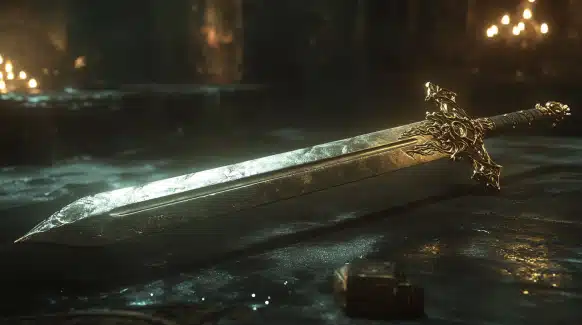
The Dancing Sword is a rare, enchanted weapon that wields itself at the player’s command. Rather than requiring the character to swing it manually, a single bonus action can send this blade soaring, allowing it to float and strike autonomously.

This weapon first appeared in early editions of D&D and has been a fan-favorite ever since due to its tactical advantages and cinematic flair.
In D&D 5e, the Dancing Sword is categorized as a very rare magical weapon in the Dungeon Master’s Guide (DMG). This classification makes it a notable item to acquire, offering benefits that regular magical weapons don’t provide.
The weapon’s unique ability to float and attack on its own has captured the imaginations of many players, adding both tactical utility and a sense of flair to combat.
Understanding the Mechanics: How Does the Dancing Sword Work?
The Dancing Sword has a straightforward yet powerful enchantment that enhances combat versatility. Here’s how it works:
- Activation with a Bonus Action:
- To unleash the sword, the wielder uses a bonus action, causing it to float up to 30 feet away and start attacking independently. It can fight like an extension of the character’s will, freeing up their hands and action economy.
- Independent Attacks:
- Once in the air, the Dancing Sword can attack creatures designated by the wielder, using the character’s attack bonus. The weapon retains the user’s proficiency bonus and any magical attack bonuses, meaning that it can still benefit from effects like Bless or other spells that boost the character’s attack.
- Four-Round Limit:
- After 4 rounds (or 24 seconds in-game), the sword’s floating ability ends. It will automatically return to the wielder’s hand if within 30 feet, ready to be used again during the next combat encounter after a short or long rest.
- Restrictions and Reset:
- The sword’s floating ability can only be used once per short or long rest, making it a powerful but limited option in each combat scenario. Timing is key; players must decide when to activate it for maximum impact.
Pros and Cons of the Dancing Sword
As with any magical weapon, the Dancing Sword has strengths and limitations. Weighing these can help players determine the best way to integrate it into their playstyle.
Pros:
- Extra Attacks and Free Hands: With the Dancing Sword, players effectively get an additional attacker on the battlefield. This not only increases damage potential but also allows the wielder to wield a second weapon, shield, or cast spells without interruption.
- Action Economy: The sword only requires a bonus action to activate, giving characters more freedom to focus on other offensive or defensive actions during their turn.
- Longer Reach: The sword can float up to 30 feet away, allowing characters to deal melee damage from a distance or target enemies they wouldn’t normally reach.
- Stylistic Roleplay: The Dancing Sword’s floating mechanic gives players an opportunity to add character flair and dramatic flourishes to their fighting style, providing memorable role-playing moments.
Cons:
- Duration Limitation: With only 4 rounds of use, players must activate it at the right time to get the most benefit. Afterward, it returns to the wielder’s hand and cannot be reactivated until the next rest.
- Once-per-Rest Limitation: The sword’s enchantment can be used only once per short or long rest, so players must plan strategically rather than relying on it every encounter.
- Attack Roll Dependency: Since the sword uses the wielder’s own attack bonus, its effectiveness may be limited for characters who aren’t proficient in combat or who lack a high attack modifier.
Tactical Applications for the Dancing Sword
The Dancing Sword can be a versatile asset, especially when wielded with the right strategies. Here are some tactical approaches that can make the most of this magical weapon:

1. Divide and Conquer
The Dancing Sword is perfect for controlling the battlefield and diverting enemy attention. When activated, it can target secondary threats or weaker enemies, allowing the player to focus on the main opponent. This tactic is especially effective in crowd control scenarios, where dividing the enemy’s focus could turn the tide of battle.
2. Creating Distance for Spellcasters
For spellcasters who rely on concentration or ranged spells, the Dancing Sword offers a rare melee option without the need for proximity. By sending the sword to engage enemies up to 30 feet away, casters can keep their distance while maintaining offensive pressure.
3. Maximizing Damage for Multi-Attackers
Characters who specialize in multi-attacks, such as Fighters or Barbarians, can pair the Dancing Sword with their regular attacks to increase damage output. By activating the Dancing Sword, they essentially gain an additional melee presence on the battlefield, maximizing their action economy and their potential damage each turn.
4. Supporting Other Party Members
Players can direct the Dancing Sword to assist allies, either by engaging enemies who might be threatening a teammate or by providing backup to squishier party members like wizards or rogues. This strategy can improve battlefield control and help keep weaker allies safe.
Class Synergies: Who Benefits Most from the Dancing Sword?
The Dancing Sword is a versatile weapon that can benefit almost any character class, though some gain particularly unique advantages from its use. Here’s a closer look at the classes that shine with the Dancing Sword:
Fighters
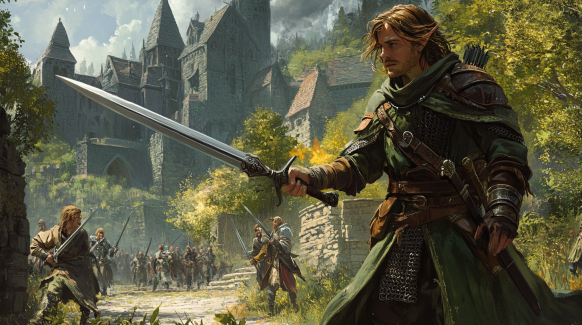
Fighters already excel in melee combat, and the Dancing Sword makes them even more formidable. With access to multiple attacks per round, a Fighter can maximize damage output by wielding a second weapon or using a shield for extra defense while the sword does its job independently.
Paladins
The Dancing Sword aligns well with a paladin’s strengths, especially when paired with their Divine Smite ability. By activating the sword and directing it at enemies, paladins can focus on landing powerful smites or casting support spells. Additionally, the sword’s presence allows the paladin to better support the party by drawing enemy focus away from allies.
Bards
Bards are versatile spellcasters who often lack dedicated melee abilities. The Dancing Sword provides them with an option to deal melee damage while focusing on support or charm-based spells. It also adds a stylistic element to their performances, embodying a kind of “battle dance” on the battlefield.
Sorcerers and Wizards
For spellcasters like sorcerers and wizards, the Dancing Sword provides a valuable close-range combat option without requiring them to get directly involved. They can command the sword from a distance while focusing on spells and staying out of harm’s way. This approach can also help manage concentration, as the sword doesn’t require the caster to sacrifice their spell focus.
Roleplaying with the Dancing Sword
In addition to its tactical benefits, the Dancing Sword provides a unique roleplaying opportunity. Here are a few ideas for adding character depth and personal flair to your Dancing Sword usage:
- Personifying the Sword: Treating the Dancing Sword as more than just a tool can add layers to your character. Maybe your character believes the sword is sentient or that it once belonged to a long-lost ancestor. This can lead to interesting character interactions and give the sword a distinct “personality.”
- Using Commands or Phrases: Giving your Dancing Sword a unique activation phrase or command can add a memorable twist to combat. For instance, a bard might shout, “Dance, my blade!” every time they release it.
- Creating a Ritual or Bond with the Sword: Players can incorporate the Dancing Sword into their character’s lore, treating it as a family heirloom or a weapon gifted to them by a mentor. This connection can deepen the player’s investment in their weapon, giving it a greater significance in their story.
Homebrew Ideas for the Dancing Sword
While the Dancing Sword is already a unique weapon, there’s always room to personalize it further with homebrew ideas. Here are a few possibilities to consider if your Dungeon Master is open to customization:
Upgraded Variants
The standard Dancing Sword provides a +1 bonus to attack and damage rolls. As players level up, consider the possibility of an enhanced version with a +2 or +3 bonus. Alternatively, the weapon might have a secondary ability, such as causing additional elemental damage like fire or lightning, adding another layer of strategy to its use.
Sentient Dancing Sword
In some campaigns, DMs may choose to make the Dancing Sword a sentient weapon, capable of communication with its wielder. This could add an entirely new dynamic to the game, as the sword might have its own goals, desires, or quirks. Perhaps it was forged by an ancient wizard and now seeks worthy opponents, constantly urging the wielder into combat.
Changing Weapon Forms
For players who want a unique twist, consider a homebrew “Dancing Weapon” rather than limiting it to just a sword. This could manifest as a Dancing Axe, Dancing Spear, or even a Dancing Mace, depending on the character’s preference or the campaign setting. The weapon would retain the same mechanics, but its different form could change the flavor of its combat style and role.
Conclusion
The Dancing Sword in D&D 5e is more than just a weapon—it’s a battlefield companion, a strategic tool, and a storytelling device. Whether wielded by a seasoned fighter, a supportive bard, or a spell-slinging wizard, this magical sword brings excitement and versatility to any campaign.

By using it thoughtfully, players can maximize its effectiveness and create memorable combat moments that add depth to their characters and their adventures.
So if you’re looking to add a touch of style to your game and expand your tactical options, the Dancing Sword is the perfect magical item to consider. With careful planning and a dash of creativity, this enchanted blade will dance through your enemies, leaving a lasting impression on your fellow adventurers and foes alike.
Frequently Asked Questions (FAQs)
Can the Dancing Sword be used with Two-Weapon Fighting?
Yes, the Dancing Sword works independently, allowing players to dual-wield or use a different weapon while it’s in the air.
Does activating the Dancing Sword require concentration?
No, the sword doesn’t need concentration to remain active, so it won’t interfere with concentration spells.
What happens if the wielder is knocked out or incapacitated?
The Dancing Sword returns to the wielder’s hand if they are incapacitated, lose consciousness, or if they are no longer able to control it.
Can the sword benefit from spells like Haste or Bless?
Yes, any bonuses that improve the wielder’s attack rolls, such as Bless, will affect the sword’s attack rolls as well.
Is the Dancing Sword suitable for ranged characters?
Absolutely! It provides a melee option without requiring proximity, making it a great tool for ranged characters who want to keep their distance in battle.