
Animal Messenger in Dungeons & Dragons 5e: A Helpful Spell for Sending Messages

In the vast world of Dungeons & Dragons (D&D), players often face adventures that test their wit, bravery, and creativity. They explore dungeons, confront menacing beasts, and uncover ancient treasures.
But even the bravest adventurers need to communicate, and sometimes, the traditional ways of sending messages—whether through talking or writing—just aren’t practical.

That’s where magic comes in, offering creative solutions to mundane problems. One such spell, Animal Messenger, allows players to send important messages over long distances using animals as the middleman.
In this post, we’ll take a deep dive into the Animal Messenger spell, explore its mechanics, and discuss its uses, advantages, and limitations. By the end, you’ll understand not only how it works but also why it can be one of the most useful spells in a character’s magical arsenal.
What Is the Animal Messenger Spell?
The Animal Messenger spell is a 2nd-level conjuration spell found in Dungeons & Dragons 5th Edition (5e). It allows a spellcaster to summon a small animal to deliver a message to a specific person.
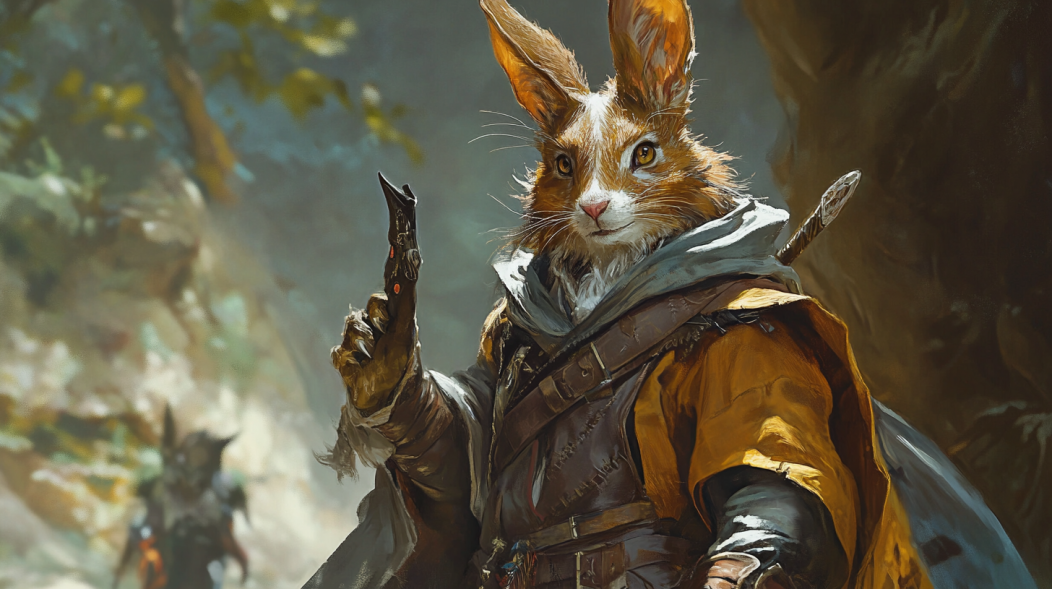
The spell’s magic taps into the natural world, using a creature like a bird or a rabbit as the courier. The animal follows the caster’s instructions, delivers the message in the caster’s voice, and then returns after completing its task.

This spell is a great example of how magic can be used for practical purposes, making it easier for characters to communicate even in situations where other methods may not be possible. While it’s not a spell that will directly aid in combat or exploration, Animal Messenger offers immense value when it comes to the exchange of information—especially over long distances.
Who Can Cast Animal Messenger?
In the world of Dungeons & Dragons, magic is accessible to many different classes. The Animal Messenger spell can be cast by certain classes, each of which has a natural affinity with animals and the outdoors.

The primary classes that can cast this spell are Bards, Druids, and Rangers. These classes share a deep connection to nature, allowing them to communicate with animals in various ways.
- Bards: Bards are magical performers and storytellers who use their charisma, music, and words to weave spells. Many of their spells focus on communication, and Animal Messenger fits perfectly into their magical toolkit. As they are often skilled in diplomacy and gathering information, Bards can use this spell to send messages to faraway allies or inform distant figures of urgent news.
- Druids: Druids are nature-based spellcasters who have an inherent bond with animals and the environment. They can communicate with animals, shape-shift into various beasts, and harness the powers of nature. The Animal Messenger spell is a natural fit for Druids, as they are the very class that can fully appreciate and interact with the animals that help deliver the messages.
- Rangers: Rangers are skilled hunters and trackers who live in harmony with nature. As experts in survival and outdoor exploration, Rangers often work alongside animals, either as companions or guides. For a Ranger, using Animal Messenger is a reflection of their deep connection with the animal kingdom and their understanding of how animals navigate the wilderness.
These three classes are the primary ones that can cast Animal Messenger, each for different reasons but all sharing a connection to the natural world.
How Does the Animal Messenger Spell Work?
Now that we know which classes can cast this spell, let’s take a closer look at how it actually functions. Here is a breakdown of the Animal Messenger spell’s mechanics:

1. Choosing the Messenger
When you cast Animal Messenger, the first step is choosing the animal that will carry your message. The creature must be a small beast—such as a raven, a sparrow, a rabbit, or a squirrel. These animals are typically small and swift, able to travel long distances in a relatively short amount of time. Larger animals, like horses or wolves, cannot be used for this spell.
While there’s no limitation on the type of small beast, the spell must be cast using an animal that is familiar to you. This ensures that the caster has some level of control over the animal’s behavior and that the animal can understand the instructions. If you’re familiar with a particular species or type of animal from previous encounters in the campaign, that’s a good candidate.
2. Travel Time and Speed
Once the animal is chosen, the next factor to consider is the travel time. The spell’s effectiveness relies on how fast the animal can travel to its destination and back. There are two main types of animals that can serve as messengers:
- Flying Animals: These creatures can travel faster and more efficiently across the landscape, especially if the terrain is challenging. A bird, for example, can fly up to 50 miles per day.
- Non-Flying Animals: Ground-based animals, like rabbits or squirrels, are slower and can only cover 25 miles per day. These animals may encounter obstacles or terrain that slow them down, and their journey is more reliant on the surrounding environment.
The time it takes for the animal to travel depends on the distance between the caster and the recipient, so Animal Messenger is most useful for moderate distances. It’s also worth noting that the spell has a duration of 24 hours, meaning the animal can take a full day to complete its mission, but it may take longer if the distance is particularly vast.
3. Delivering the Message
Once the animal reaches its destination, it will deliver the message to the intended recipient. This message is always in the caster’s voice, ensuring that the recipient knows exactly who the message is coming from. The animal’s behavior is also predictable—once the animal has delivered the message, it will wait briefly for any instructions or response before returning to the caster.
Messages are typically short, and the spell limits the length of the message to 25 words. While this may seem restrictive, it’s generally enough to convey key information. Players often use the spell to send brief, urgent communications, such as instructions, updates, or warnings.
4. Returning the Animal
After delivering the message, the animal returns to its starting point, retracing its path. It’s important to remember that the caster cannot directly communicate with the animal during its journey, nor can they control its actions once it has been sent on its way. The animal is fully independent and will follow its instructions to the best of its ability.
The return journey is just as important as the outgoing journey, and the animal must return to the caster within the 24-hour duration. If the animal encounters danger or is delayed for any reason, the caster may need to wait longer for the animal to return.
Practical Uses of Animal Messenger
While Animal Messenger may seem simple, it has a wide range of practical applications during a D&D campaign. Here are some of the ways this spell can be used creatively:

1. Long-Distance Communication
In most D&D campaigns, adventurers often find themselves far apart, especially if they’re traveling through vast wildernesses or dungeons. Communication between party members or with NPC allies can become a problem. In these cases, Animal Messenger serves as an excellent solution. By using a messenger animal, players can keep the lines of communication open, ensuring they don’t lose contact even when they’re separated by miles of land.
For instance, if one party member is in a distant town while others are exploring a dungeon, the spell could allow them to exchange critical information. Whether it’s a warning, an update, or a request, the messenger animal can deliver it efficiently.
2. Secret or Covert Messages
Sometimes, a message needs to be delivered without drawing attention. Traditional means of communication might be too conspicuous, especially in a world filled with spies, thieves, and enemies. The beauty of Animal Messenger is that the animal can deliver the message quietly and discreetly. It doesn’t raise suspicions like a letter or courier might. The recipient will only see a bird or another small creature delivering the message.
This makes Animal Messenger ideal for secretive or covert communications, whether between rival factions, spies, or allies.
3. Sending Emergency Alerts
In times of crisis, adventurers need to act quickly. But what if they’re too far apart to communicate? Animal Messenger can help players send emergency messages to their allies, letting them know of an impending threat, a new discovery, or any situation that requires immediate attention. Whether it’s warning of an ambush or calling for reinforcements, this spell can make the difference between success and failure.
4. Sending News Between Quest Givers and Adventurers
In many campaigns, characters are given quests by NPCs who are far away or otherwise difficult to contact. Using Animal Messenger, players can send updates or status reports to their quest-givers, ensuring the story keeps progressing smoothly.
For example, after a successful battle or important discovery, the characters might need to inform a distant king or ally about their progress. Instead of waiting for days or even weeks for a traditional messenger, they can simply send an animal messenger on its way, speeding up communication and keeping the narrative alive.
Limitations of Animal Messenger
As useful as Animal Messenger can be, it does have some limitations that players need to keep in mind when deciding whether to use it.

1. Distance Limits
While Animal Messenger is great for short to medium distances, it isn’t ideal for extremely long distances, such as sending messages between continents. Animals can only travel so far in a day, and while they can make multiple trips, the caster must still work within the 24-hour time limit.
2. Limited Message Length
The spell’s most significant limitation is the 25-word cap for messages. In a world of high-stakes adventures, this can feel restrictive. Important information might not fit within this limit, requiring the caster to be concise and precise in their wording.
3. The Animal’s Vulnerability
Though the animal messenger is generally safe, it is still vulnerable to the dangers of the world. Whether it’s an aggressive predator or environmental hazard, there’s always a chance the animal could be delayed or harmed. If the animal is unable to return within the 24-hour window, the spell might be considered a failure.
Conclusion
The Animal Messenger spell in Dungeons & Dragons is a wonderful tool for characters who want to send messages quickly and discreetly. With its easy-to-understand mechanics and potential for creative use, it’s a spell that adds depth to a campaign.

Whether used for long-distance communication, covert missions, or emergency alerts, Animal Messenger offers both players and Dungeon Masters a versatile tool for storytelling. Though it has its limitations, its unique and practical benefits make it an important spell to consider in any adventurer’s arsenal.
Frequently Asked Questions (FAQs)
How far can the Animal Messenger travel?
The animal can travel up to 50 miles per day if it’s a flying creature, or 25 miles per day for a non-flying animal. The maximum distance covered depends on the terrain and the type of animal.
Can the animal messenger be used for combat?
While it’s primarily a utility spell, Animal Messenger can be used in combat situations to send warnings or request reinforcements, but it doesn’t directly influence the battle.
Can the caster communicate with the animal during its journey?
No, once the animal is sent, the caster cannot communicate with it. The animal only delivers the message and returns.
Can the message be longer than 25 words?
Unfortunately, the spell limits the message to 25 words. If you need to send a longer message, you’ll need to condense it or use multiple animals.
What types of animals can be used for the messenger?
The messenger must be a small beast, such as a bird, rabbit, squirrel, or similar creature. Larger animals like wolves or horses cannot be used for this spell.