
Exploring Kender: A Whimsical Race in Dungeons & Dragons


Introduction to Kender
If you’ve spent any time exploring the vast worlds of Dungeons & Dragons, you may have heard of the Kender—a unique and controversial race originating from the Dragonlance setting. Known for their insatiable curiosity, fearless nature, and infamous habit of “borrowing” items, Kender are a mix of delightful mischief and heartfelt sincerity.

They bring a distinctive flavor to any D&D campaign and are a favorite (or nemesis) for players and Dungeon Masters alike.
Kender are small humanoids, similar in stature to Halflings, but their personalities couldn’t be more different. While Halflings are often cautious and comfort-seeking, Kender embrace danger and the unknown with open arms.
Their natural curiosity leads them into all sorts of adventures—or trouble, depending on your perspective. They make excellent rogues, bards, or any class that benefits from creativity and exploration.
Whether you’re a new player looking to bring some chaos to your table or a seasoned adventurer intrigued by their lore, this guide will break down everything you need to know about Kender. We’ll cover their traits, history, how to play them effectively, and tips for DMs to manage these quirky characters.
The History of Kender in D&D
Kender first appeared in the Dragonlance novels created by Margaret Weis and Tracy Hickman, with the character Tasslehoff Burrfoot standing as one of the most iconic examples.

The Dragonlance setting, a richly detailed world filled with epic heroes and battles, introduced Kender as a race to bring levity and charm to the stories. Their carefree nature and ability to find joy in even the darkest situations quickly made them fan favorites.
In-game, Kender are described as hailing from the world of Krynn, where they thrive in environments full of wonder and adventure. Their society—free of rigid hierarchies and materialistic values—fosters an optimistic, almost childlike approach to life. This cultural background explains their habit of “pocketing” interesting items—not from greed but genuine curiosity.
To a Kender, an object’s story or function is far more important than its ownership.
Over the years, Kender have been a polarizing addition to D&D campaigns. Some players adore their whimsical nature and ability to lighten tense moments, while others view their “borrowing” as a potential source of party conflict. When played with thoughtfulness and creativity, however, Kender can add humor, heart, and a unique perspective to any campaign.
Kender characters embody the spirit of exploration and discovery. Their natural curiosity often leads to unexpected moments of brilliance or hilarity, making them unforgettable additions to any adventuring party. Whether they’re charming NPCs or stumbling upon critical plot points, Kender bring an energy that keeps the game lively and engaging.
Traits and Abilities
Mechanically, Kender bring some unique traits to the table, which make them stand out from other races. Here are their key characteristics:
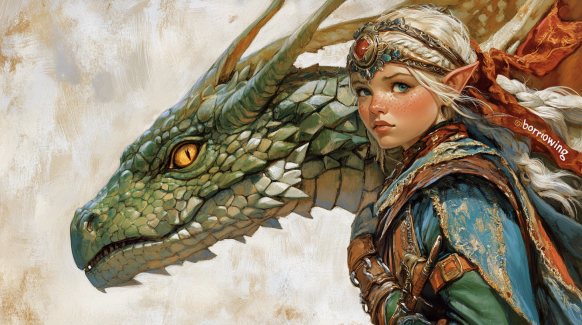
Ability Score Increase: In most editions, Kender receive bonuses to Dexterity, reflecting their nimbleness, and occasionally to Charisma for their magnetic personalities.
Fearlessness: Kender are immune to fear effects, making them invaluable in situations where courage is essential. They’re often the first to charge into danger, even when it’s unwise.
Taunt Ability: A signature feature of Kender, this ability allows them to verbally provoke enemies, often drawing attention away from their allies. It’s a fun and thematic way to disrupt combat and protect your party.
Small Size: Kender are about three to four feet tall, which makes them excellent at sneaking and fitting into tight spaces. Their small size also makes them more agile in combat.
Handling Equipment: Kender are naturally adept at picking locks and sleight of hand, even if they don’t officially take the rogue class. Their natural curiosity leads them to experiment with tools and mechanisms.
The “Kender Pouch”: Kender often carry a pouch filled with random items they’ve picked up. These can range from useful tools to bizarre trinkets, offering opportunities for creative problem-solving in gameplay.
When building a Kender character, consider how these traits can shape their role in the party. They’re not just about chaos; they can provide invaluable support in and out of combat, especially with their fearlessness and agility.
Roleplaying a Kender
Playing a Kender can be an incredibly rewarding experience if done with care and consideration.

Here are some tips to roleplay this unique race effectively:
Embrace Curiosity: Kender are endlessly fascinated by the world around them. Lean into this by asking questions, exploring new areas, and examining objects your party might overlook. However, balance your curiosity with respect for the group’s goals to avoid derailing the story.
Fearless but Not Reckless: While Kender are immune to fear, this doesn’t mean they’re suicidal. They’re more like thrill-seekers, excited by the prospect of adventure. Approach danger with optimism, but remember that your character values their life and those of their friends.
“Borrowing” Items: This trait can be a point of contention. Work with your DM and fellow players to establish boundaries. For example, your Kender might “borrow” things from NPCs but respect party members’ belongings. Use this trait sparingly to add humor without creating friction.
Find the Heart of the Character: Kender are more than comic relief. They have a genuine love for life, people, and stories. Explore their emotional depth by reacting to events with wonder, empathy, or even sadness when appropriate.
Be a Team Player: While Kender love to go off on tangents, remember that you’re part of a group. Work with your party to contribute meaningfully to the campaign, whether by scouting, distracting enemies, or using your creativity to solve problems.
Roleplaying a Kender is all about finding the balance between their mischievous nature and their sincere love for adventure. When done well, they can become the heart of any adventuring party.
Playing a Kender in Combat
Kender may not be the most powerful combatants, but they bring unique skills and strategies to the battlefield. Here are some ways to maximize their potential:

Distraction Tactics: Use your Taunt ability to draw enemy attention away from more vulnerable allies. This can turn the tide of battle, especially when fighting enemies who rely on focus targeting.
Support Roles: Kender excel as support characters. Their agility and sleight-of-hand abilities make them ideal for disarming traps, picking locks, or retrieving important items during combat.
Ranged Combat: Due to their small size and high Dexterity, Kender often thrive as ranged combatants. Equip them with a sling, shortbow, or throwing knives to keep them out of direct danger.
Creative Problem-Solving: Kender are masters of improvisation. Use the random items in your pouch or the environment around you to gain an edge in combat. For example, distracting a foe with a thrown trinket or triggering a trap to your advantage.
Synergy with Allies: Work closely with your party to coordinate attacks and strategies. Kender can act as decoys, scouts, or even messengers during combat, ensuring the group’s success.
While Kender may not deal massive damage, their versatility and creativity can make them invaluable assets in any encounter.
Tips for Dungeon Masters
Kender can be both a joy and a challenge for Dungeon Masters. Here are some tips to integrate them smoothly into your campaign:

Set Boundaries Early: Discuss the “borrowing” trait with your players before the game begins. Make it clear what’s acceptable and what’s not to avoid conflicts between party members.
Leverage Their Curiosity: Use the Kender’s inquisitive nature to introduce plot hooks or uncover hidden details. For example, a Kender’s examination of a mysterious artifact could reveal a clue or start a new quest.
Create Consequences: While Kender are fearless, their actions should still have consequences. If they wander off or provoke the wrong NPC, make sure they face challenges that reflect their choices.
Emphasize Humor and Heart: Kender can bring levity to serious campaigns. Use them to break tension with lighthearted moments, but also allow room for them to grow emotionally and contribute to the story’s depth.
Provide Unique Opportunities: Design encounters that highlight the Kender’s strengths, such as sneaking, distracting enemies, or solving puzzles. This will make the player feel valued and keep the gameplay engaging.
By embracing the quirks and strengths of Kender, you can create memorable experiences for everyone at the table.
Conclusion
Kender are one of the most distinctive races in Dungeons & Dragons, offering a mix of humor, heart, and creativity to any campaign. Whether you’re a player or a Dungeon Master, understanding their traits, history, and role in gameplay is essential to making the most of these quirky characters.

When played thoughtfully, Kender can bring a new layer of depth and enjoyment to your adventures. Their boundless curiosity, fearless spirit, and knack for mischief make them unforgettable additions to any story.
Whether they’re providing comic relief, uncovering key plot points, or stepping into danger without hesitation, Kender can enrich the dynamics of any group. So, whether you’re rolling up a new character or planning your next campaign, consider inviting a Kender into the mix—just make sure to keep an eye on your belongings!
Frequently Asked Questions (FAQ)
1. Are Kender only suitable for comedic roles in D&D campaigns?
Not at all. While Kender are often associated with humor, they can also bring depth and emotional moments to a story. Their curiosity and unique perspective on the world make them versatile characters that can fit into both serious and lighthearted campaigns.
2. How should a player handle the “borrowing” trait without causing conflict in the party?
Communication is key. Talk with your DM and party members about how your Kender’s “borrowing” will work in the game. Focus on using the trait with NPCs or in ways that contribute to the story, rather than creating unnecessary tension within the group.
3. What are the best classes for Kender?
Kender excel as rogues, bards, and rangers due to their Dexterity and Charisma. However, they can also make great spellcasters like sorcerers or warlocks if you want to lean into their Charisma bonus. Their versatility allows them to adapt to various roles.
4. How can a Dungeon Master make Kender feel important in a campaign?
Design encounters that highlight their strengths, such as puzzles, stealth missions, or social interactions. Let their curiosity uncover clues or artifacts and give them opportunities to use their fearlessness to protect the party.
5. Are Kender immune to all fear effects?
Yes, in most editions, Kender are immune to magical and non-magical fear effects. This makes them invaluable in situations where other characters might falter, such as facing dragons or powerful intimidation tactics.