
Mace in DnD: The Ultimate Guide for Adventurers

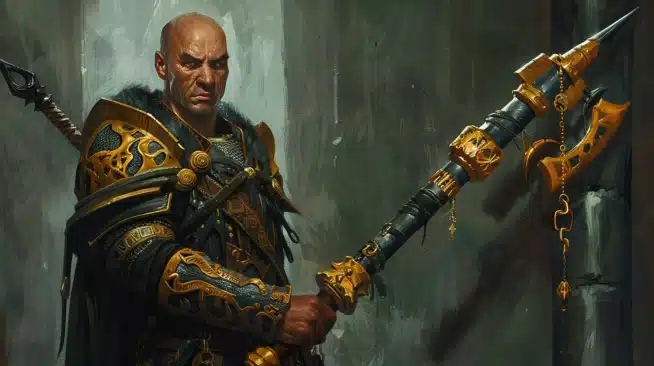
Are you ready to wield some serious power? In the world of Dungeons & Dragons (DnD), choosing the right weapon can make or break your character’s experience. Some adventurers prefer the elegance of a rapier, while others enjoy the destructive power of a greatsword.

But if you’re looking for a versatile, reliable weapon with a solid history, the mace might be exactly what you’re after.
The mace may not have the flashiness of a magical sword or the long reach of a spear, but it has its own unique charm. It’s simple, brutal, and effective—a true workhorse of a weapon in both fantasy and real-world history.
In this guide, we’ll dive into everything you need to know about the mace in DnD. We’ll cover its stats, which classes can use it, how it performs in combat, and how you can bring some creativity to your mace-wielding character.
So grab your adventuring gear, and let’s explore why the mace is a weapon worth considering for your next DnD campaign!
What Is a Mace in DnD?
In Dungeons & Dragons, a mace is a simple melee weapon that deals bludgeoning damage. Historically, maces were designed to crush armor, relying on brute force rather than sharp edges. In the game, the mace retains that spirit, offering players a straightforward but powerful weapon for close-quarters combat.

Mace Stats:
- Weapon Type: Simple Melee Weapon
- Damage: 1d6 Bludgeoning
- Properties: One-handed
- Cost: 5 GP (Gold Pieces)
- Weight: 4 lbs
The mace is classified as a simple weapon, which means it’s easy to wield and doesn’t require much specialized training. Most DnD classes are proficient with simple weapons, so the mace is a great option for adventurers who want a reliable and easy-to-use tool for bashing enemies.
Why Choose a Mace?
You might be wondering why you’d want to choose a mace when there are so many other weapons in DnD. Well, here are some reasons why the mace might be the perfect weapon for your character:

Accessibility for Most Classes
The mace is a simple weapon, meaning that most classes are proficient with it right from the start. Unlike martial weapons that require special training or feats, the mace can be used effectively by a wide range of characters, including Clerics, Fighters, Paladins, and even some Rogues.
Versatility
The mace is a one-handed weapon, which means you can hold something else in your other hand, like a shield or a spellcasting focus. This makes it perfect for defensive or spellcasting-oriented characters who still want to be able to hit hard in melee combat.
Bludgeoning Damage
One of the key benefits of a mace is that it deals bludgeoning damage. Certain enemies, like skeletons and constructs, are resistant or immune to slashing or piercing damage but can be taken down more easily with bludgeoning attacks. This makes the mace an excellent choice for adventurers who expect to face armored or undead enemies.
Great for Clerics
Historically, maces were the weapon of choice for religious figures because of their association with non-lethal force (though we know they were just as deadly!). In many DnD settings, Clerics favor blunt weapons, and the mace is often the go-to. Its strong connection to religious imagery makes it a natural fit for divine characters.
Low Cost
With a cost of only 5 gold pieces, the mace is one of the more affordable weapons available. For new adventurers or characters on a tight budget, it’s an effective and inexpensive option to start with.
How the Mace Works in Combat
Now that we know why the mace is a great weapon let’s talk about how it actually works in the game. Combat in DnD is all about rolling dice and adding modifiers, so here’s a breakdown of how to use a mace effectively.

Attack Rolls
When you swing your mace, you make an attack roll. This means you roll a d20 (a 20-sided die) and add your attack modifier to see if you hit your target. Your attack modifier is determined by two things: your Strength score (since the mace is a melee weapon) and your proficiency bonus (if you’re proficient with simple weapons).
- Example: If you’re a Fighter with a Strength score of 16 (which gives you a +3 modifier) and a proficiency bonus of +2, you’d add +5 to your d20 roll when attacking with your mace.
Damage Rolls
If your attack roll is successful, you roll for damage. The mace deals 1d6 bludgeoning damage—meaning you roll a 6-sided die—and then you add your Strength modifier to the result.
- Example: If you roll a 4 on your d6 and have a +3 Strength modifier, you deal 7 bludgeoning damage to your target.
Critical Hits
In DnD, if you roll a natural 20 on your attack roll, it’s a critical hit. This means you get to roll twice as many damage dice. So with a mace, you’d roll 2d6 instead of 1d6, and then add your Strength modifier to the total.
Special Abilities and Magic
Don’t forget that your mace can benefit from various spells, abilities, and magical effects. For instance:
- A Cleric could cast Divine Favor, adding extra radiant damage to each mace hit.
- A Paladin could use Divine Smite, adding radiant damage to a successful attack.
- A Fighter could use Action Surge to take additional actions in a single turn, giving you more opportunities to swing your mace.
Classes That Excel with a Mace
While most classes can use a mace effectively, there are a few that truly shine with this weapon. Let’s take a look at some of the classes that pair particularly well with a mace.

Cleric
The Cleric is the most iconic mace-wielder in DnD. In many settings, Clerics are restricted from using sharp weapons, so the mace becomes their weapon of choice. The mace is a perfect fit for Clerics who want to deal damage up close while staying true to their divine calling.
- Subclass Spotlight: War Cleric
- War Clerics get the best of both worlds—they can cast powerful spells while still dishing out physical damage in combat. The mace allows them to stay in the thick of the battle, bashing enemies while casting spells to heal or buff their allies.
Paladin
Paladins, with their combination of divine magic and combat prowess, are another class that excels with a mace. Paladins often focus on defending their allies and smiting evil creatures, and a mace is a fantastic weapon to accomplish both goals.
- Subclass Spotlight: Oath of Devotion
- Paladins who take the Oath of Devotion are all about purity and justice. A mace can represent their unyielding faith and righteous power, delivering crushing blows to those who threaten their ideals.
Fighter
Fighters are the most versatile class when it comes to weapons. While many Fighters gravitate toward swords or axes, the mace is a great option for those who want a simple, effective weapon that gets the job done. Fighters can easily use their combat skills to enhance their mace attacks.
- Subclass Spotlight: Battle Master
- Battle Masters can use combat maneuvers to control the battlefield. Pairing these maneuvers with a mace can allow you to trip, disarm, or push enemies, all while dealing solid damage.
Bringing the Mace to Life in Your Story
DnD isn’t just about crunching numbers and rolling dice—it’s also about storytelling. The weapon your character uses can say a lot about who they are. Here are some creative ways to bring your mace-wielding character to life in your campaign.

Symbolism and Theme
For Clerics and Paladins, the mace can be more than just a tool for combat—it can be a symbol of their faith. Maybe your mace was blessed by a high priest, or it’s been handed down through generations of holy warriors. Adding these kinds of details to your character’s backstory can help make them more interesting.
Weapon Customization
In DnD, you’re free to describe your character’s weapons however you want (within reason, of course). Your mace doesn’t have to be a simple metal club. Maybe it has intricate engravings, a glowing gem in the center, or a special pommel. Adding small touches like these can make your character feel more unique.
Roleplaying in Combat
Think about how your character uses their mace in combat. Are they precise and calculating, delivering measured strikes to their enemies? Or are they wild and aggressive, swinging their mace with reckless abandon? The way your character fights can say a lot about their personality.
Magic Maces: Power Beyond the Ordinary
As you progress through your campaign, you’ll probably come across magical weapons. These can add extra abilities and bonuses to your mace, turning it from a simple club into a tool of divine destruction.

Here are a few magical maces you might encounter in DnD:
Mace of Disruption
The Mace of Disruption is a powerful weapon against undead and fiends. When you hit one of these creatures with this mace, it deals extra radiant damage. If the creature is low on health, it must make a saving throw or be destroyed outright. This makes the Mace of Disruption a perfect weapon for Clerics and Paladins, who often face off against undead foes.
Mace of Smiting
This mace is ideal for dealing with constructs and other mechanical enemies. On a critical hit, the Mace of Smiting deals extra damage. It’s particularly effective against constructs, making it a great weapon to have when you’re fighting golems or other artificial beings.
Mace of Terror
The Mace of Terror allows you to invoke fear in your enemies. When you use this mace, you can activate an ability that causes nearby creatures to make a Wisdom saving throw or become frightened of you. This is a fantastic way to control the battlefield and give your party the upper hand in combat.
Maximizing Your Mace: Tips and Tricks
If you want to get the most out of your mace-wielding character, here are some tips and tricks that can help you take your game to the next level.
Pair It with a Shield
Since the mace is a one-handed weapon, you can easily pair it with a shield to boost your Armor Class (AC). This makes you harder to hit in combat, giving you extra survivability while you’re bashing enemies.
Use Spells and Abilities
If you’re a spellcaster like a Cleric or Paladin, don’t forget to use your spells and abilities to enhance your mace attacks. Spells like Divine Favor or Bless can give you extra damage or improve your chances of hitting enemies.
Take Feats
If you want to improve your mace skills even further, consider taking feats that boost your combat abilities. For example:
- Great Weapon Master: While this feat is usually associated with two-handed weapons, it can still be useful for characters who want to deal extra damage with critical hits or take advantage of bonus attacks.
- Shield Master: If you’re pairing your mace with a shield, this feat allows you to become even more effective in combat by giving you additional defensive options.
Roleplay with Flavor
Remember to add some personal flair to how your character fights. Maybe you give your mace a name, or perhaps it has a unique fighting style—like twirling it around before delivering a blow or whispering a prayer before striking. These small details can make your character feel more vibrant and memorable.
Conclusion
The mace in Dungeons & Dragons may seem simple at first glance, but it’s a weapon full of potential.
Whether you’re a divine warrior like a Cleric or Paladin or a straightforward Fighter who wants a reliable weapon, the mace can serve you well in battle. Its versatility, ease of use, and ability to deal with heavily armored or undead enemies make it a fantastic choice for adventurers of all types.

So, the next time you’re gearing up for a DnD campaign, don’t overlook the humble mace. It might just be the weapon you need to bring your character to life and smash your enemies into dust.
FAQs About Mace in DnD
1. Is the mace a good weapon for beginners?
- Yes! The mace is a simple weapon, meaning it’s easy to use and available to many classes. It deals decent damage and is reliable in combat.
2. What classes are best suited for using a mace?
- Clerics, Paladins, and Fighters are among the best classes to use a mace. However, any class proficient with simple weapons can wield one effectively.
3. Can you dual-wield maces in DnD?
- While you technically can dual-wield maces if you have the Dual Wielder feat, maces are designed for something other than dual-wielding since they lack the light property.
4. Are there magical maces in DnD?
- Yes! There are many magical maces, such as the Mace of Disruption, Mace of Smiting, and Mace of Terror, which offer special abilities and damage boosts.
5. What’s the difference between bludgeoning damage and other damage types?
- Bludgeoning damage is great for enemies with armor or natural toughness. Unlike slashing or piercing damage, it focuses on smashing rather than cutting or stabbing, which can be effective against certain enemies like skeletons or constructs.