
The Enigmatic Power of Crown of Madness: A D&D Spell Guide

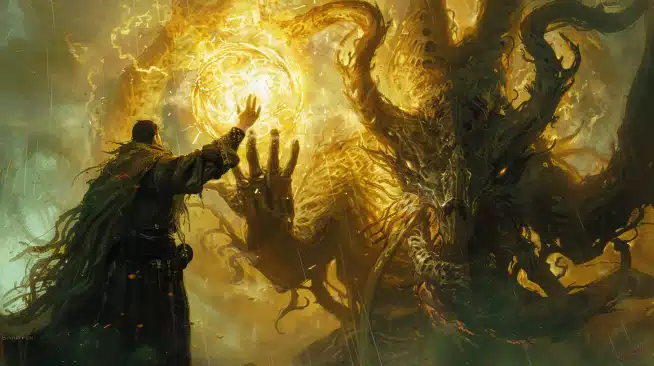
Take a step into a tense dungeon crawl, where swords clash and spells flutter. But, hey, is that a chink in the armor? The hulking ogre guarding the treasure chest looks distracted! But instead of rushing forward, you release a mystical curse, turning the ogre’s mind and fury upon his allies!
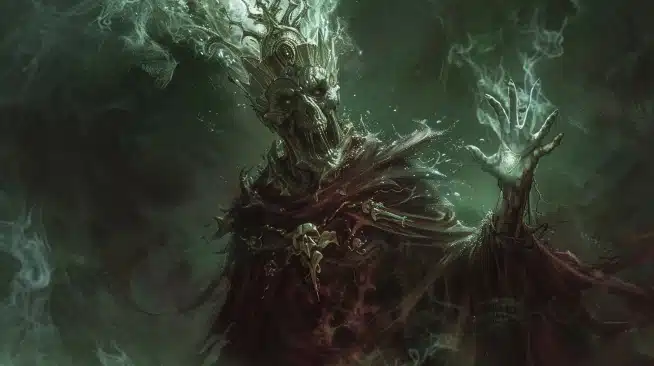
This is the power of enchantment spells in Dungeons & Dragons (D&D). Enchant the mind of creatures by swaying the opponent’s will and turning against a party. Of these, one enchantment is “Crown of Madness,” which is beneficial.
Crown of Madness isn’t your standard charm spell—not by a long shot. No, it doesn’t make an enemy fall in love with you or become your friend. Instead, the target is plunged into maddening paranoia, seeing their allies as ferocious threats. This spell adds a layer of intrigue and strategic depth to the game.
Will you use it against the opposing leader, sowing discord in the ranks, or will you let a powerful enemy warrior rage like a berserker, aggressively attacking all those around? It’s up to you; you do as you want, and the result is sometimes unpredictable and thrilling!
In this blog, we will do precisely that with Crown of Madness, going in-depth on each spell and their use in tactics and ethics, as well as just how hilariously, disastrously terrible things can go for the individual under that spell. So, whether you are an experienced D&D player or an adventurous newcomer, follow me to unravel the spellbinding world of enchantment spells!
The Crown of Madness: Not Your Typical Headwear
The Crown of Madness isn’t a physical crown you’d wear, but it can be just as binding. It’s a concept that pops up in fantasy worlds, most notably in the role-playing game Dungeons & Dragons (D&D).
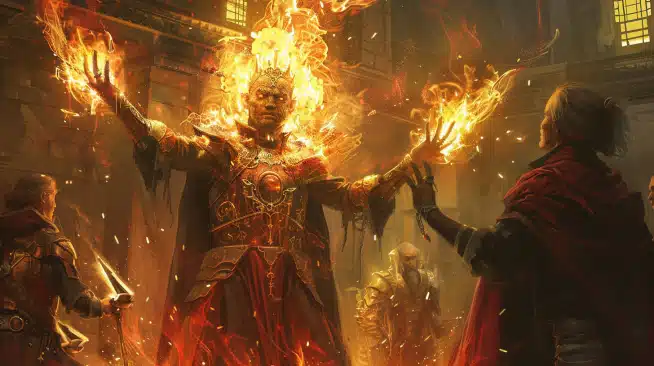
Here, it refers to:
- A Spell: This enchantment forces a humanoid creature to become your pawn, twisting its mind with maddening visions. Imagine a glowing apparition of a spiked crown appearing on their head, symbolizing their controlled rage.
- Metaphor: More broadly, the Crown of Madness can represent any force that drives someone to insanity or reckless actions. It could be a curse, an obsession, or a lust for power that clouds rational thought.
So, while there’s no literal crown involved, the Crown of Madness serves as a reminder of the perils of succumbing to uncontrollable urges.
The Lore and Visuals of Crown of Madness
The crown of Madness is a chilling spell in many fantasy role-playing games, and for a good reason. This spell is a chilling twist upon the mind of the targeted creature, forcing it to fight for the caster!
Look at this spell’s lore and visual representation in the game world.
Appearance and Effects in Lore
Imagine a shadowy psychic tendril reaching out from the caster’s mind, burrowing into the victim’s skull. That’s the spirit of Crown of Madness. In-game lore is not so much a crown as a nasty bit of psychic energy being used to manipulate the target to their breaking point; it rips at their sanity, filling their mind with maddening whispers that make them paranoid.
Imagine a brave knight, even one considered by the most revered morals, to turn upon his friends with the most blood-curdling scream. Or perhaps a mind-grown wise mage, now confused, releases destruction spells on his friends.
Visual Impact on Caster and Target
The actual manifestations of a Crown of Madness can vary from game to game but are generally quite sinister. Perhaps the caster has glowing eyes or an evil aura that speaks to the dark magic they wield.
Sometimes, shadowy tendrils or psychic energy might visibly connect them to the target.
It was more than dramatic. His eyes should be empty, or they may become shiny with some unreal shine. His movements should be jerky and spastic—a sort of polar opposite to what would be his everyday comportment.
Imagine a fighter, once graceful in combat, now swinging wildly, their face contorted in a mask of rage and confusion.
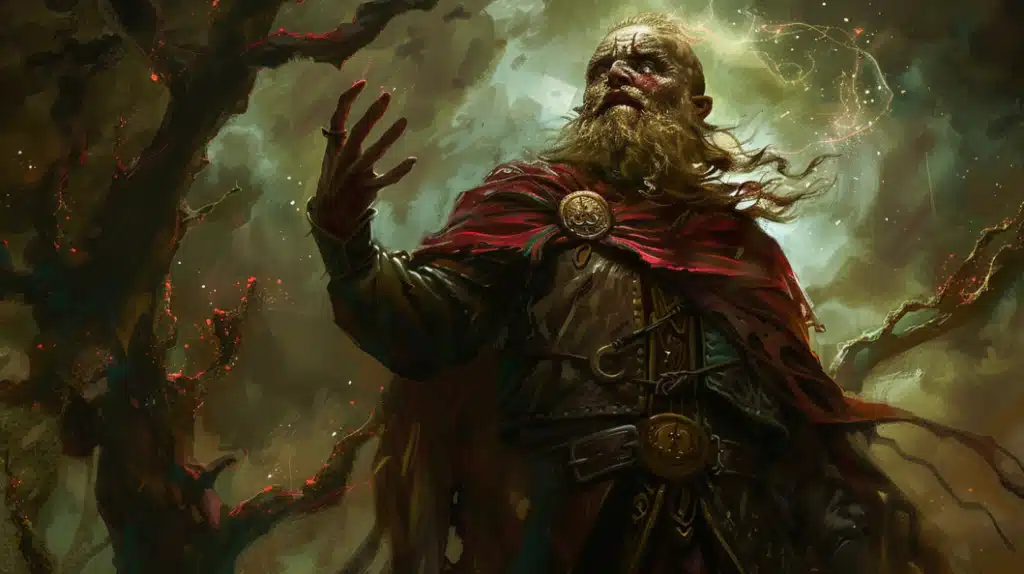
But the horror of Crown of Madness isn’t in the physical results; it’s in the desecration of the mind, making a person an empty-headed pawn. More often, this is presented through facial expressions: the look of pure horror or the chilling vacancy where there should be recognition. The Crown’s Impact on the World
The Crown of Madness is a powerful and dangerous spell. It can turn the tide of a battle but at a terrible cost. Use it, and the act can damn the caster as a villain—somebody who could and would resort to such horrible tactics.
Should they win, they will most likely leave with a traumatized and broken puppet on their hands. Perhaps the Crown of Madness is that of absolute power corrupting absolutely, even in the game world. Maybe some reminder that even excellent intentions can be twisted and perverted by dark magic.
The Crown of Madness is more than just a spell; it is a window into a sunlit chasm in the magic of the game world. It is a chilling reminder that the good can be twisted, and the consequences are no but devastating.
Strategic Applications of the Crown of Madness
- The Crown of Madness: Simple in its design, it is a cruel circlet that draws its wearer towards a frenzy; yet, for cunning adventurers, one may use such madness as a powerful tool. Here are the strategic uses of Crown of Madness: you apply it tactically toward your great advantage in different situations and make the most of its potential to create chaos.
- Turning the Tide of Battle : Imagine a heavily fortified enemy position. Your attacks are bouncing harmlessly off their defenses. The Crown of Madness is an absolute game-changer for that. Slap it on the head of a hulking, great enemy warrior and watch the chaos unfold. Attack their allies, make an opening in their defense, or cause confusion. This can turn a stalemate into a decisive victory.
- Taking Down Powerful Foes : Facing a giant foe with massively towering muscles? The Crown caught the playing field. Use on a less critical minion or weaker enemy to have him become a berserker delivering killing blows to the Big Bad. Distractions with this allow your team to focus on delivering killing blows.
- Crowd Control : Large groups of enemies—overwhelming. The Crown helps you, leading you to handle all the chaos. Blast a spellcaster in the middle of the horde, and their uncontrolled magic will lash through their ranks, thinning their number while presenting opportunities for you to pick them off.
- Synergy with Spells : Finally, madness may further be enhanced by “clever spellcasting,” i.e., casting a charming person on an enemy and crowning them. Now, the maddened creature is your temporary ally against the other maddened creatures, attacking their former comrades alongside you.
- Battlefield Tactics : Surprise is Key—Don’t place the Crown oCrownigh-value enemy in the open. Use teleportation spells or distractions to reach a key target deep in enemy lines for maximum impact.
- Consider the target : Would you crown a squishy spell caster who could be felled quickly by his allies or a hardy warrior who would be able to deal much more significant damage and stick around far longer? Be Ready for Backfire: The Crown influences are unpredictable. Have an aggressive prepared if the mad creature decides to turn on your party—maybe putting a strong character ready to hold it if necessary.
The Crown of Madness is a high-risk, high-return piece of equipment. Very strategic usage might make a difference in every battle and serve seriously as an edge for you. Remember, however, that too much madness may create an enemy out of you!
Limitations and Counterplay: Taming the Crown of Madness
The Crown of Madness is a powerful magic item, but like any good magic, it comes with limitations. Understanding these limitations and how to counter the Crown can be the difference between victory and succumbing to its chaotic influence.
Concentration Keeps the Crown in Check
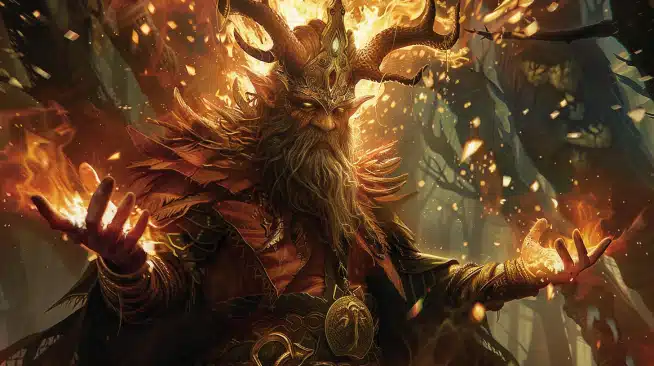
The most important limitation of the Crown of Madness is the concentration required to use it. Just like holding a complex spell in your mind, the user needs to focus their mental energy to control the Crowns. This means the user can’t cast other spells that require concentration while wielding the Crown. Crown trying to juggle while riding a unicycle requires intense focus, and attempting other tasks becomes difficult, if not impossible.
Breaking Concentration Can Backfire
Here’s where things get interesting. If the Crown user suffers damage or is forced to make a problematic saving throw (a magical test of willpower), their concentration can be broken. This can have two consequences:
- The Crown Grip: If the concentration is broken unintentionally, the magical effects of the Crown crown are out. The enthralled creature snaps out of its maddened state, potentially confused but no longer a pawn under the Crown’s
- Backlash! Things can get messy if the concentration is broken due to a deliberate attempt to disrupt them (like an enemy hitting the user with a special attack). The Crown drowns out with unpredictable magical energy, potentially harming both the user and the creature they were trying to control.
Defending Against the Crown’s Madness
So, how do you fight back against the Crown of Madness? Here are a few tactics to consider:
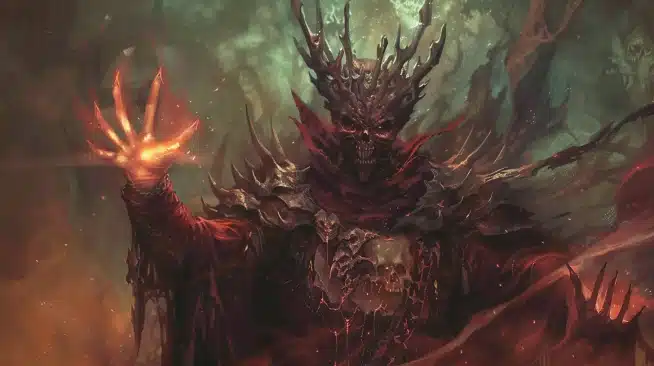
- Disrupt Concentration: If you can find a way to disrupt the Crown user’s concentration, you can break their control over the maddened creature. This could involve hitting them with a well-timed attack, casting a spell that forces a saving throw, or using clever tactics to distract them.
- Protective Magic: Some spells and enchantments can bolster your willpower, making it harder for the Crown’sCrown’sto take hold. If you suspect you might face the Crown, Crownder uses protective magic beforehand.
- Attack the Crown ICrown: The Crown itself might be vulnerable to magic or physical attacks. Destroying the Crown would be a permanent solution, although retrieving it from a crazed creature might be another challenge!
Summary
The Crown of Madness lives up to its name, offering a complete mix of battlefield control and unpredictable mayhem. While the potential to turn a foe against their allies is undeniably tempting, the spell’s chaotic nature can wreak havoc on your party if handled appropriately.
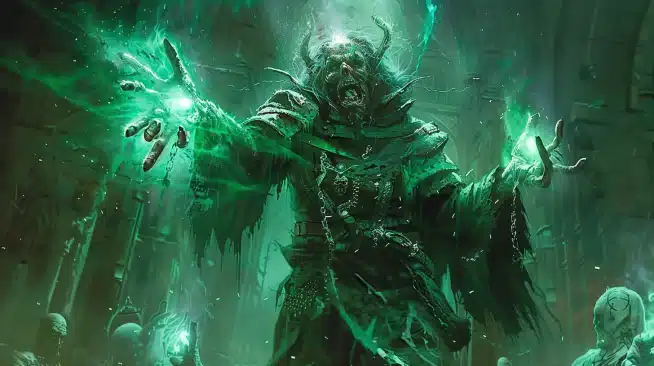
Consider the strategic landscape before unleashing the madness. If your party is facing a single powerful enemy surrounded by weaker minions, Crown of Madness can be a game-changer. However, the risks are substantial in tight quarters or against enemies immune to charm effects.
Ultimately, the Crown of Madness is a spell that rewards calculated risk-taking. By understanding its mechanics and potential outcomes, you can harness its power to sow discord amongst your enemies and claim victory in battle. Remember, a crown fit for a king can also be a recipe for royal disaster.
Crown of Madness FAQ:
Here are five frequently asked questions and answers about the Crown of Madness spell in Dungeons & Dragons:
1. What is the Crown of Madness, and what does it do?
Crown of Madness is a 6th-level enchantment spell that forces a creature to make a Wisdom saving throw. On a failed save, the creature is charmed by you for one minute or until it takes damage. While charmed, the creature has a disadvantage on Wisdom checks and is compelled to rage. Its rage functions as usual, except it can only target you or your allies.
2. Who can cast Crown of Madness?
Crown of Madness can be cast by any spellcaster with access to the 6th-level enchantment spells. This includes classes like Bards, Sorcerers, Warlocks, Wizards, and Druids (if they choose the Circle of Spores subclass).
3. What are some good strategies for using Crown of Madness?
Crown of Madness can be a powerful spell for offensive and defensive purposes. Here are some ways to use it strategically:
- Take down a powerful enemy: If you’re facing a powerful creature, Crown of Madness can force it to attack its allies, effectively taking itself out of the fight.
- Control the battlefield: By turning an enemy against its allies, you can create chaos and confusion, giving you an advantage.
- Defend yourself: If you’re being attacked, Crown of Madness can force the attacker to target someone else, giving you a chance to escape or regroup.
4. What are some risks associated with using Crown of Madness?
There are a few risks to consider when using Crown of Madness:
- The target might succeed on the saving throw: If the creature makes its Wisdom saving throw, it will be immune to the spell for 24 hours.
- The target might attack you: Even if the creature is charmed by you, it can still accidentally harm you in its rage.
- The target’s allies might attack you: The creature’s allies might see you as the source of the madness and attack you.
5. Are there any other spells similar to Crown of Madness?
Yes, there are a few other spells that have similar effects to Crown of Madness:
- Confusion: This 4th-level enchantment spell can cause a group of creatures to attack each other.
- Dominate Person: This 8th-level enchantment spell allows you to control a creature’s actions completely.
- Hold Person: This 5th-level enchantment spell can paralyze a creature, effectively removing it from the fight.