
The Giant Crab 5e: Unleashing the Claws of the Sea in Your D&D Adventures

If you’re diving into the world of Dungeons & Dragons 5th Edition (5e), you’ve probably come across a wide variety of creatures that test your party’s bravery. From the infamous dragons to cunning kobolds, there’s a beast for every adventurer.
However, one creature that might sneak under the radar but packs a surprising punch is the Giant Crab. Now, this might sound like a simple crustacean, but in the world of D&D, even the most basic creatures can become a challenge when handled correctly by a Dungeon Master (DM).
In this guide, we’ll dive deep (pun intended!) into the Giant Crab in 5e, examining its stats, combat abilities, creative ways to use it, and how it can become an unforgettable part of your campaign. Grab your tridents and let’s crack this crustacean open!
What is the Giant Crab in D&D 5e?
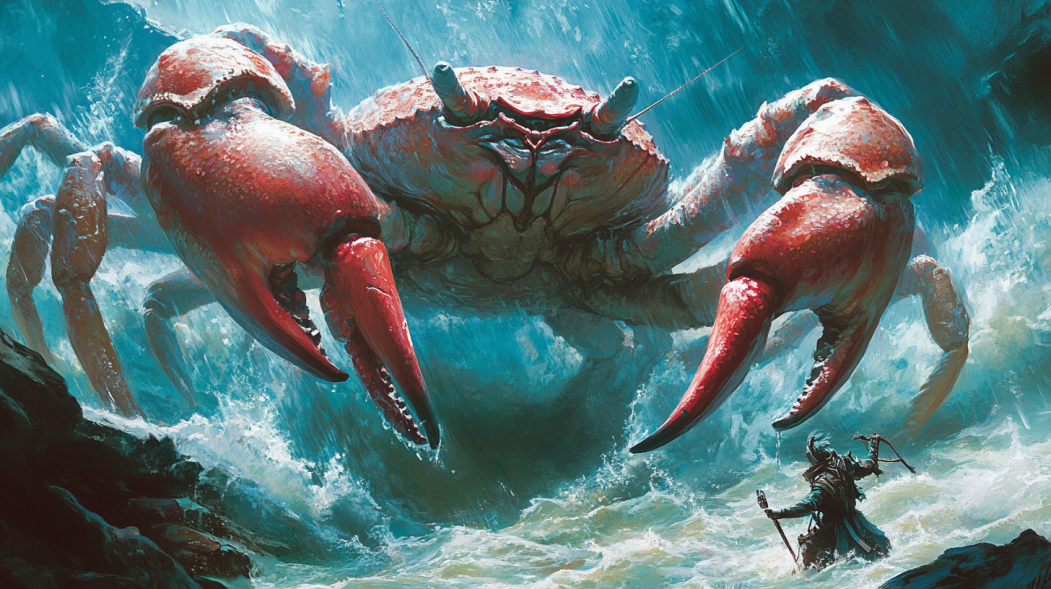
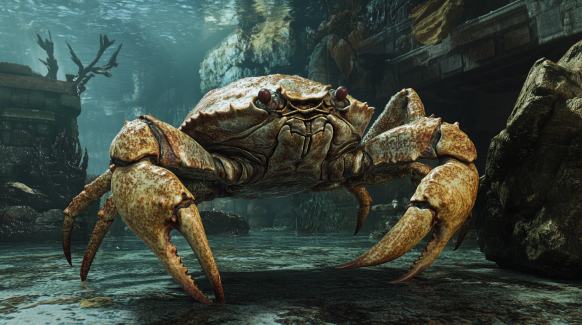
The Giant Crab in Dungeons & Dragons 5e is exactly what it sounds like—a massive, battle-ready crustacean. While it might not be as terrifying as a dragon or as cunning as a beholder, this aquatic creature can present a fun challenge for low-level adventurers.
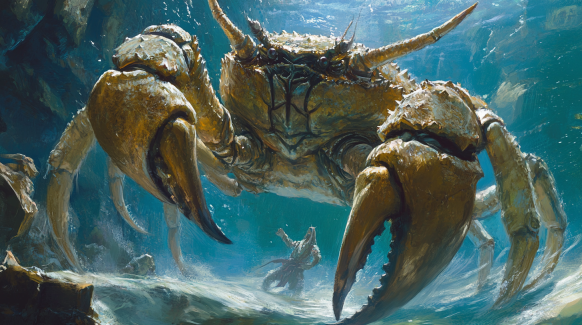
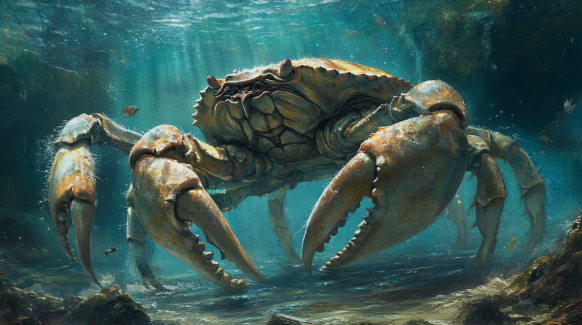
The key here is the giant part. These crabs are far from your average seafood; they’re massive, armored, and capable of grappling adventurers in their iron-like claws. Often found near coastlines or sunken ruins, they serve as both ambush predators and potentially valuable allies, depending on how players interact with them.
Giant Crab Stats in 5e
Let’s start by breaking down the basic stats for the Giant Crab in D&D 5e:
- Armor Class (AC): 15 (Natural Armor)
- Hit Points (HP): 13 (3d8)
- Speed: 30 ft., swim 30 ft.
- Strength: 13 (+1)
- Dexterity: 15 (+2)
- Constitution: 11 (+0)
- Intelligence: 1 (-5)
- Wisdom: 9 (-1)
- Charisma: 3 (-4)
- Skills: Stealth +4
- Senses: Blindsight 30 ft., Passive Perception 9
- Languages: None
- Challenge Rating (CR): 1/8
Armor Class (AC) 15 is quite decent for a creature of this size, especially one with a CR of only 1/8. This means that it’s not so easy for low-level characters to land a hit, making it a solid enemy in early-level encounters.
Hit Points (HP) 13 gives it a bit of durability. It can take a couple of hits before going down, especially in underwater or difficult terrain environments where it has an advantage.
The Giant Crab’s Strength of 13 and Dexterity of 15 make it surprisingly nimble for a creature of its size. This speed (30 ft. both on land and in water) allows it to chase after adventurers quickly, especially in underwater settings where many other creatures and players may struggle to keep up.
Lastly, the blindsight of 30 feet is key when adventurers encounter the Giant Crab in murky water or dark caves. The Giant Crab won’t need vision to detect its prey, making it perfect for ambushing.
Combat Abilities of the Giant Crab
In terms of combat, the Giant Crab doesn’t have an array of magical abilities or complex attacks, but what it does have is simplicity and efficiency. Its main attack is the Claw, and it can perform this attack in the following way:
- Claw Attack:
- Melee Weapon Attack: +3 to hit, reach 5 ft., one target.
- Hit: 4 (1d6 + 1) bludgeoning damage, and the target is grappled (escape DC 11). The crab has two claws but can only grapple one target at a time.
The grapple ability is where the Giant Crab shines. Once it hits with its claw, it can lock onto its target, preventing them from escaping unless they manage to break free with an escape DC of 11. This can be especially dangerous for smaller or lower-level characters, or even for spellcasters who rely on distance to stay safe. The crab’s grappling ability forces them to either break free or remain stuck in close combat.
Where You’ll Find Giant Crabs in D&D 5e
As you might expect, Giant Crabs are typically found in coastal areas, shallow waters, or underwater caves. However, there are many creative places where DMs can drop these creatures, surprising even veteran players. Let’s explore some common environments:
1. Coastal Waters and Beaches
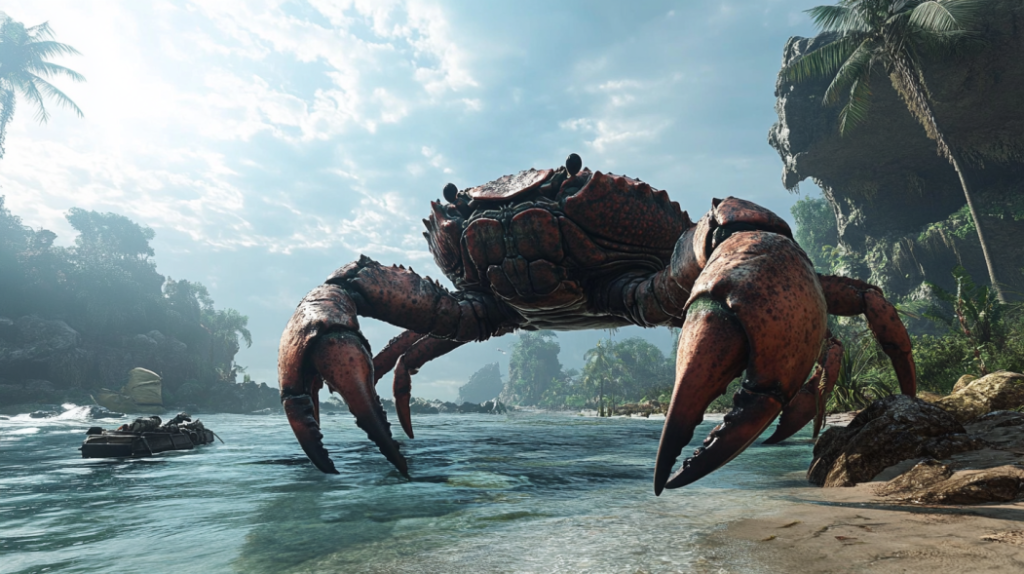
This is the most common location to find Giant Crabs. They might lurk just beneath the water’s surface, waiting for unsuspecting adventurers to wade into the surf before snapping their claws. Coastal villages or pirate-themed campaigns could see Giant Crabs as pests or predators that occasionally wash up during storms.
2. Underwater Ruins and Shipwrecks
If your campaign involves underwater exploration, Giant Crabs fit perfectly in sunken ruins or old shipwrecks. They could be guarding treasures or simply feeding on the remains of long-lost adventurers. Their ability to move quickly in water and their blindsight makes them formidable opponents in such environments.
3. Jungles and Swamps
Who says crabs have to stay by the sea? DMs can place Giant Crabs in marshy swamps or dense jungle environments where the terrain is just as challenging for adventurers. In such places, crabs could be part of a dangerous ecosystem, alongside giant frogs or snakes.
4. Magical Areas
Want to spice things up? Consider placing Giant Crabs in magical environments, like the Feywild or the Elemental Plane of Water. These crabs could be larger, more dangerous, or have strange abilities due to their exposure to the magic in these realms.
Using Giant Crabs as Allies
While Giant Crabs are typically seen as enemies, there’s nothing stopping clever players from attempting to befriend or tame one. In D&D, it’s not uncommon for adventurers to use spells like Animal Friendship, Speak with Animals, or even Dominate Beast to bring wild creatures to their side.
Here are a few ways Giant Crabs could serve as useful allies:
1. Crab Mounts
How cool would it be to ride a Giant Crab into battle? While this might not be practical on land, underwater campaigns could feature Giant Crabs as mounts for adventurers who need to travel quickly through the water.
2. Guardians of Treasure
Giant Crabs are excellent guards for coastal or underwater treasure hoards. Players who manage to tame or control one might use them to guard their loot or secure a hidden base near the sea.
3. Combat Companions
In some campaigns, druids or rangers may choose to keep a Giant Crab as a pet or combat companion. With their tough armor and grappling abilities, they make excellent front-line fighters who can lock down enemies while the party deals damage from afar.
Encounter Ideas: Making the Most of Giant Crabs in Your Campaign
As a DM, your job is to keep your players engaged and entertained, and Giant Crabs are a great way to mix things up. Here are a few encounter ideas that you can drop into your campaign, no matter the level of your players:
1. The Beach Ambush
The players decide to camp on a beach after a long day of adventuring. As the tide begins to rise, a swarm of Giant Crabs emerges from the water, hungry and ready to attack. With their stealth and blindsight, these crabs can easily catch the party by surprise, forcing them to defend their camp or risk being dragged into the ocean.
2. The Sunken Ruins
In an underwater dungeon, players must explore an ancient temple to recover a lost artifact. The temple is guarded by a group of Giant Crabs, each one protecting a key area of the ruins. The crabs use the ruins’ narrow corridors and hidden traps to their advantage, making it difficult for the party to escape their grappling claws.
3. Crab Invasion
A massive storm has washed up a group of Giant Crabs into a coastal village. The party must help the villagers fend off the crabs before they destroy homes, boats, and important supplies. The crabs, now disoriented and aggressive, have taken to the streets, smashing through wooden structures with ease.
4. The Colossal Crab
For higher-level campaigns, why not take things up a notch? Imagine a crab the size of a house, with claws capable of crushing ships. This Colossal Crab could serve as a terrifying boss encounter, particularly in an island or naval-based campaign. Players would need to find creative ways to defeat the beast, whether by targeting weak points in its massive shell or using environmental factors to their advantage.
Giant Crab Variants: Customizing Your Crustacean
One of the best things about being a Dungeon Master is your ability to modify creatures to fit your campaign. The Giant Crab is no exception, and with a little imagination, you can turn this relatively simple creature into something much more challenging and fun.
Here are a few ideas to get you started:
1. Elemental Crab
Imagine a Giant Crab that’s been infused with elemental power. You could have a Fire Crab with the ability to heat up its claws and deal additional fire damage, or an Ice Crab that can freeze the water around it, creating difficult terrain. These elemental variations add an extra layer of strategy for your players to figure out.
2. Undead Crab
A Giant Crab that’s been reanimated by necromantic magic could be a terrifying sight. This Undead Crab could have increased hit points, resistance to non-magical attacks, and even the ability to summon smaller crabs to aid it in battle.
3. Arcane Crab
In a high-magic campaign, a Giant Arcane Crab could possess spell-like abilities, such as casting Shield to protect itself or Thunderwave to knock back foes. Players would have to adjust their tactics to deal with this magical version of the typical Giant Crab.
Conclusion
At first glance, the Giant Crab might seem like a minor enemy in D&D 5e, but with a little creativity, these creatures can provide memorable and challenging encounters.
Whether you’re using them as ambush predators, underwater dungeon guardians, or even potential allies, the Giant Crab offers a surprising amount of versatility for both DMs and players alike.
So, the next time your adventurers wander near the coast or dive into the ocean’s depths, don’t be afraid to throw a Giant Crab (or several!) their way. Just make sure they don’t underestimate the claws of the sea!
FAQs About Giant Crab 5e
1. How powerful is the Giant Crab in D&D 5e?
The Giant Crab has a Challenge Rating of 1/8, making it a low-level threat. However, its high Armor Class (15) and grappling ability can make it dangerous, especially in groups or in water.
2. Can Giant Crabs be tamed or befriended?
Yes, with the right spells like Animal Friendship or Speak with Animals, players can potentially tame or befriend a Giant Crab. Creative players might even use them as mounts or guardians.
3. Where do Giant Crabs typically live?
Giant Crabs are commonly found near coastlines, beaches, and underwater environments, but they can also be placed in swamps or magical locations, depending on the campaign.
4. Can Giant Crabs be used in underwater campaigns?
Absolutely! Giant Crabs are perfect for underwater adventures, as they can swim quickly and use their blindsight to detect creatures in dark or murky water.
5. How can DMs make Giant Crabs more interesting?
DMs can customize Giant Crabs by adding elemental abilities, increasing their size, or giving them magical powers. This keeps the encounter fresh and challenging for players.