
Discovering the Undercommon Language in Dungeons & Dragons

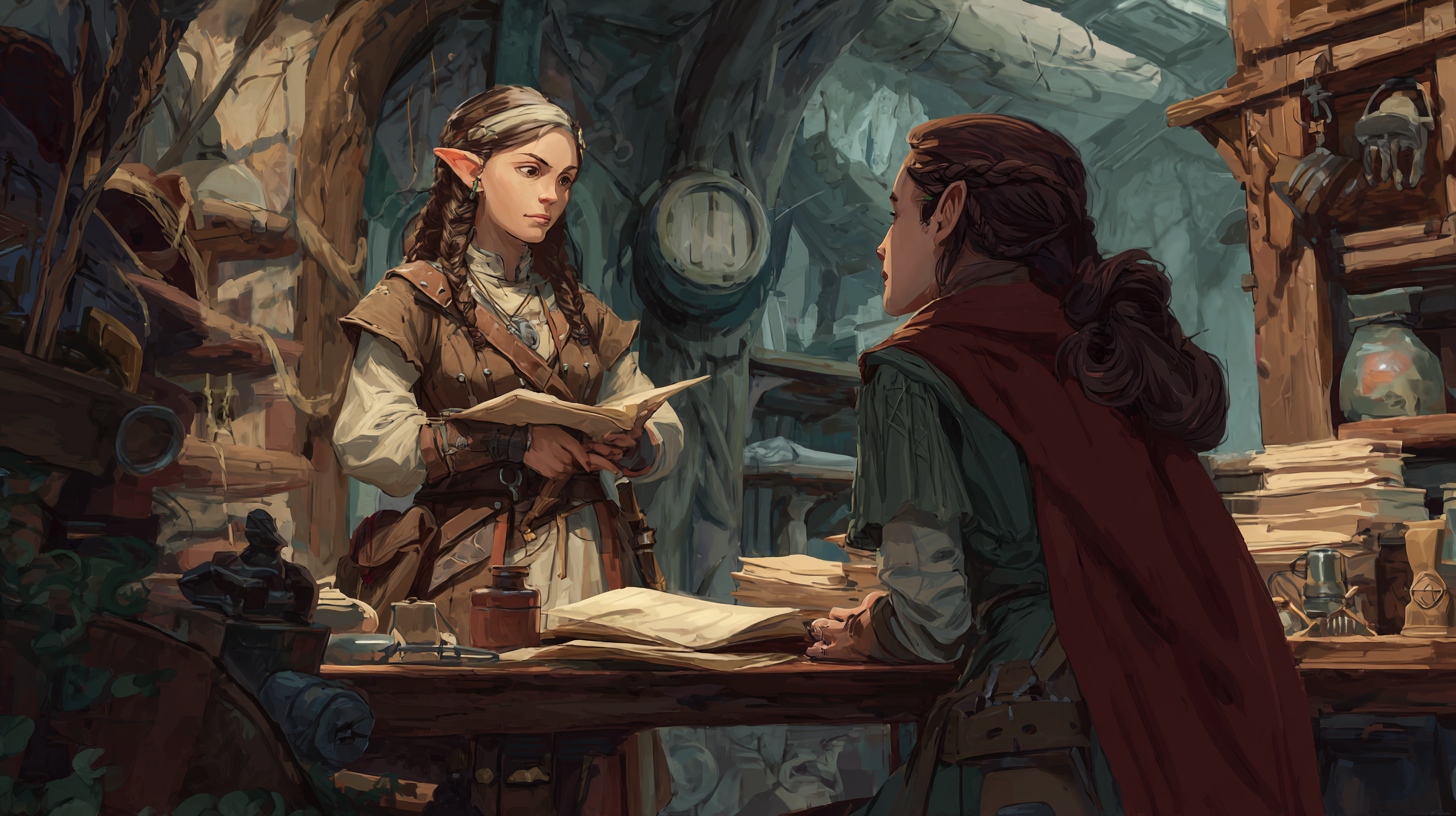
Today, we’re exploring something not many people talk about in Dungeons & Dragons Undercommon. It’s the secret language used by creatures in the Underdark, a dark and dangerous world beneath the surface.
Even though it’s not well-known, it’s super useful for trading and communicating down there!
Today, we’re dipping into something that doesn’t usually get much attention in Dungeons & Dragons, but it can seriously change how your game grows.
We’re talking about Undercommon, a language spoken in the world’s darkest corners.
Now, you might be wondering, “Isn’t that just some made-up cave language?” Well, it’s much more important than it seems.
Undercommon is the main way people communicate in the Underdark, an expansive, dangerous world of tunnels and hidden cities deep beneath the surface. This underground realm is home to some of D&D’s most mysterious and deadly creatures in D&D.
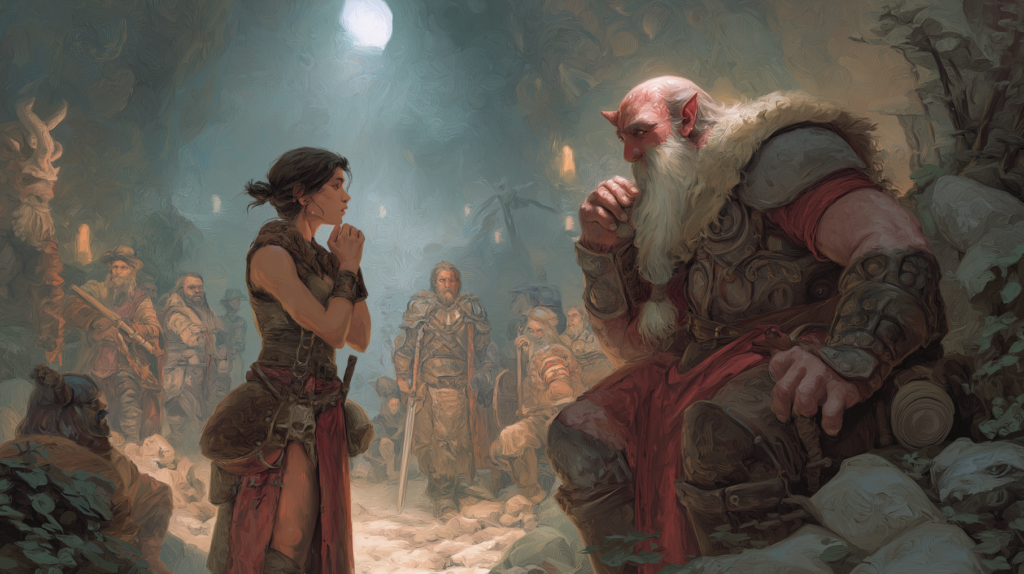
While most surface folk speak Common, things are very different down below. Races like the drow (dark elves), duergar (gray dwarves), svirfneblin (deep gnomes), and even terrifying beings like mind flayers all use Undercommon to trade, threaten, and survive.
If your character doesn’t know this language, they might end up lost, tricked, or worse, miss out on key chances for diplomacy, intel, or secret plots.
If you plan to explore the Underdark or deal with its creatures, learning Undercommon could open up some amazing moments in your campaign.
If you’re starting out with Dungeons & Dragons, things can feel a bit overwhelming. There are tons of races, classes, spells and yes, even languages.

But here’s something you might not know: there’s a hidden language used deep underground called Undercommon. And it can totally change how your story plays out.
Undercommon is the common tongue of the Underdark, the vast network of tunnels and caverns far beneath the surface world.
It’s not tied to just one group. Instead, it’s used as a shared trade and survival language between many different underground creatures like the drow (dark elves), duergar (gray dwarves), deep gnomes, and even mind flayers.
These creatures often don’t trust each other, but they still need a way to talk. That’s where Undercommon comes in.
So why should your character care?
- Maybe your party gets lost in the Underdark.
- You may need to deal with a sketchy duergar merchant.
- Maybe you overhear two drow whispering about a trap.
If you know Undercommon, you’re suddenly not in the dark, literally or figuratively. It gives you a huge advantage in conversations, negotiations, and even survival.
No matter if you’re a sneaky scout, a magic researcher, or a game builder shaping exciting tales, Undercommon is a useful tool to make your world feel more alive.
We’ll walk you through:
- What exactly is Undercommon
- Why it exists and who uses it
- How can your character learn it
- How to use it during roleplay
- And how DMs can thread it naturally into their adventures
By the end, you’ll see that this “quiet” underground language isn’t just flavour text, it’s a hidden key to opening deeper stories in your D&D campaign.
It doesn’t matter if you’re a kid just starting out, a teen who loves building cool characters, or an adult finally jumping into tabletop roleplay, this guide is for you.
We’ll walk you through what Undercommon is, who uses it, and how it can come in handy during your adventures.
By the end, you’ll not only understand how this mysterious language works, but you might even surprise your party the next time they meet a drow merchant or stumble into a deep gnome city.
So grab your dice, and let’s explore the hidden voice of the Underdark!
What Exactly is Undercommon?
Undercommon is a shared underground language. It’s not the native speech of any one race. Instead, it developed as a trade and travel language used by many creatures in the Underdark, the vast, dangerous world beneath the surface.
When a drow, a duergar, a deep gnome, or even a mind flayer needs to talk to someone from another group, they often switch to Undercommon.
It helps everyone in the dark tunnels and hidden cities understand each other, even if they come from very different backgrounds.
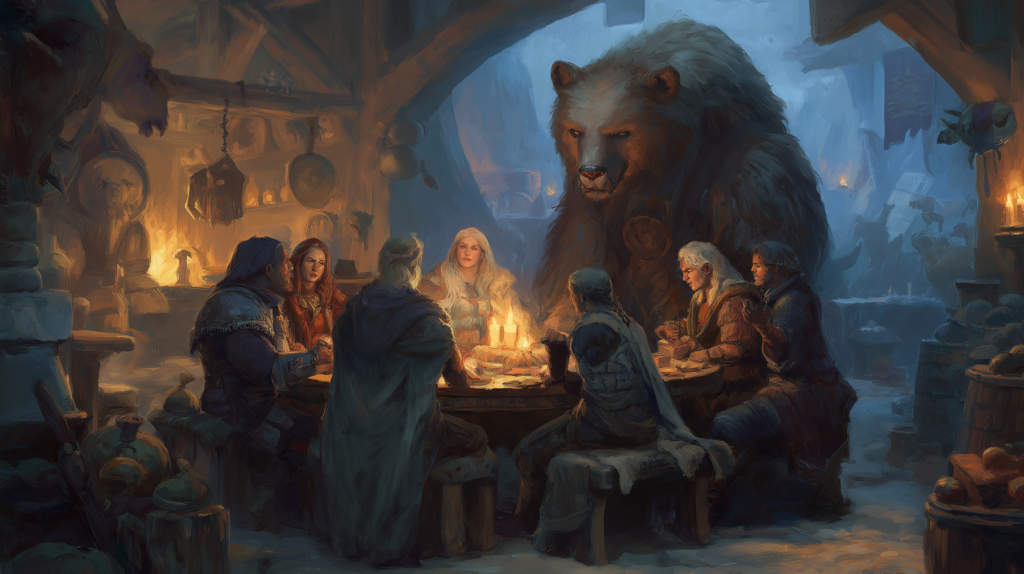
Undercommon is like the street language of the Underdark. It’s a blend of different languages spoken by the creatures who live deep underground, like drow, duergar, deep gnomes, and even mind flayers.
These groups don’t all speak the same native tongue, but when they need to trade, threaten, or just survive side by side, they use Undercommon to communicate.
It’s not some ancient or magical language. It’s more like a patched-together system made up of common phrases, borrowed words, and practical slang. Think of it as the rough, no-frills language that everyone down there can understand.
It’s not meant to sound fancy; it’s meant to work.
Let’s break that down:
Who Speaks Undercommon?
Undercommon is mainly spoken by creatures who live in the Underdark, the massive network of tunnels and caverns far beneath the surface world. This includes:
- Drow (dark elves)
- Duergar (gray dwarves)
- Svirfneblin (deep gnomes)
- Mind flayers (illithids)
- Aboleths, Kuo-toa, and other subterranean creatures
- Some goblins and hobgoblins
- Surface-world merchants or adventurers who often travel underground to trade or explore
Basically, if your character plans to spend time in the Underdark or talk to those who live there, knowing Undercommon is a smart move.
Why Does Undercommon Exist?
The Underdark is home to many different species. Most of them don’t trust each other. Some are enemies.
But they still need to trade, warn, negotiate, or make uneasy alliances. Since each race has its own language (like Elvish, Deep Speech, or Dwarvish), they needed a shared tongue to communicate. That’s how Undercommon developed a practical, common-use language for life underground.
Think of it like a trade language. It’s not about poetry or fancy writing. It’s about getting the point across fast, especially when your life might depend on it.
What Does Undercommon Sound Like?
Undercommon doesn’t have a single “official” version, so it can sound different depending on who’s speaking it and where they’re from.
But generally:
- It’s rough, sharp, and a bit unsettling
- It can sound slow and eerie or fast and choppy, depending on the speaker
- Words often carry a tone of urgency or secrecy
You can think of it like real-world English used in many countries, spoken with many different accents, and filled with local slang.
Undercommon works the same way, just spoken by people who live in deep caverns, dark cities, and eerie tunnels.
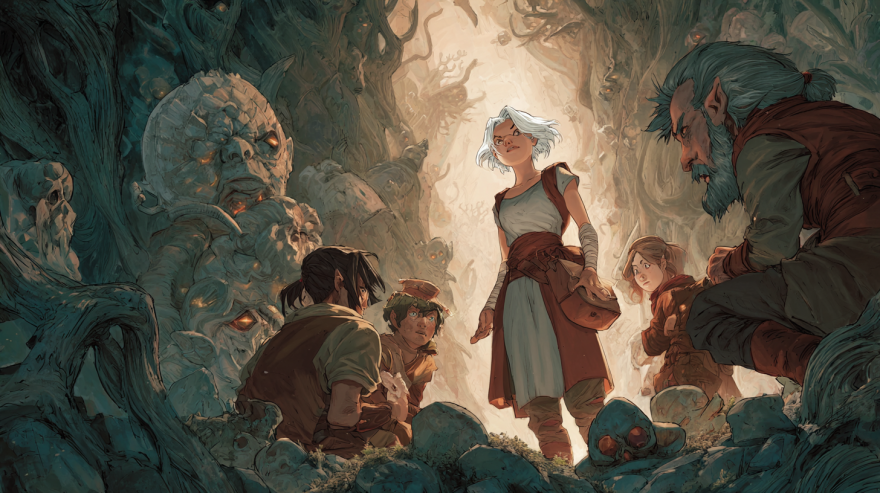
Undercommon isn’t just something your character picks for fun; it’s a serious tool, especially if you’re heading into the Underdark.
People don’t just speak it; they write it too. However, there’s no fixed or official writing system for it. Some creatures write it in the Dwarvish script. Others use Elvish letters or even their own strange markings.
It’s a bit disorganised, but it works. Everyone down there figures out a way to read and write it based on what they know.
So imagine the Underdark: a huge, dark world deep below the surface, filled with tunnels, glowing fungi, and creatures that have never seen sunlight. Drow (dark elves), duergar (gray dwarves), deep gnomes (svirfneblin), and even mind flayers live down there.
Even though these beings are nothing alike and some don’t even like each other, they still need to trade, give alerts, or make deals.
Undercommon is the shared language that makes that possible.
It’s like the shared language of the serious. Whether you’re a travelling merchant, a shady smuggler, or just trying to survive, Undercommon helps bridge the gap between species.
A kuo-toa (fish-like humanoid) and a drow might have nothing in common, but they can still talk prices or share a warning, thanks to this language.
So, Undercommon isn’t just another line on your character sheet. It’s a way for very different beings to talk, trade, and sometimes even form uneasy alliances.
It’s not just a language, it’s the thread that holds the strange, dark world of the Underdark together.

In this world, words are weapons, and sometimes silence says even more. Learning Undercommon is less about being polite and more about staying alive in a place where danger hides behind every rock.
Why is it Important in D&D?
Undercommon matters because it gives your character access. Access to people, places, secrets, and storylines that you might miss without it.
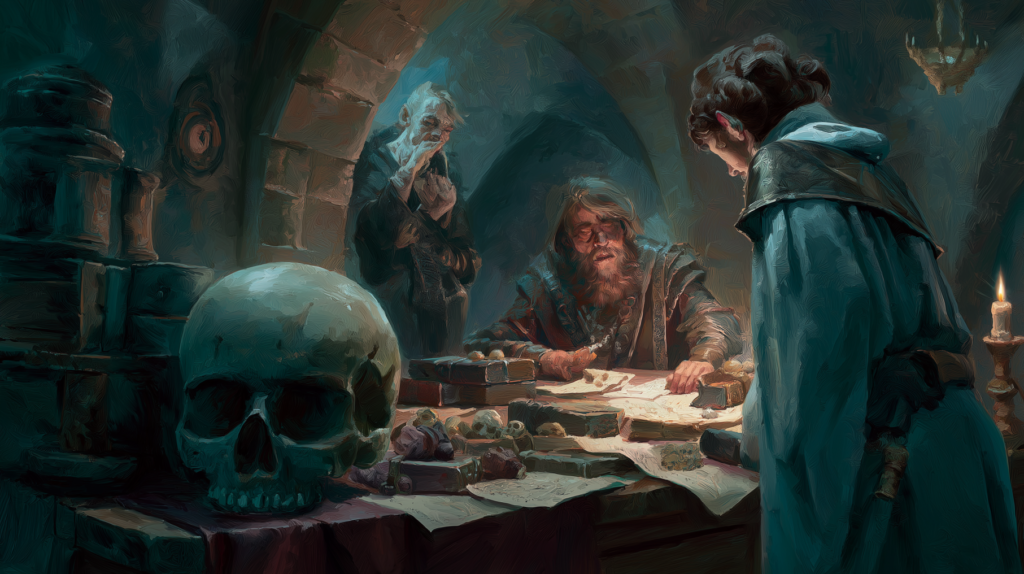
Here are a few reasons it’s a big deal:
You Can Actually Talk Down There
The Underdark isn’t a tourist spot. It’s dark, dangerous, and full of creatures that don’t speak Common.
Drow, duergar, deep gnomes, and mind flayers all speak Undercommon, not your surface lingo.
If your character doesn’t speak it, you can’t:
- Ask for help
- Warn your party
- Bluff a guard
- Read signs like “Poison Spores Ahead”
But if you do know Undercommon? You can strike deals, pick up rumours, and avoid stepping on that pressure plate trap. It’s the difference between surviving and rerolling a new character sheet.
2. You Catch the Hidden Lore
Dungeon Masters love to hide secrets in languages your character might not understand. Picture this:
- A wall has ancient text carved into it.
- A scared NPC whispers something important in a jail cell.
- A shady trader mutters a warning to someone else.
If it’s in Undercommon, do you understand it? Jackpot. That’s extra lore, hidden treasure, clues, or even a secret entrance.
Everyone else? They’re still trying to sound it out while you’re already 10 steps ahead.
3. It Opens Up Roleplay Power Plays
Imagine this:
- Your character speaks Undercommon, but the party paladin doesn’t.
- Now you lead the talks with the deep elf merchant.
- You get to whisper things during tense scenes that only your team understands.
That’s cool. That’s clever. That’s roleplay gold. It flips the usual script, shifts the spotlight, and gives your character something unique to bring to the table (literally and narratively).
4. It’s Built for the Story
Most D&D worlds, like Forgotten Realms or Eberron, have huge networks of tunnels, ruins, or ancient cities underground. Sooner or later, your party’s going to explore some of that.
When that moment comes, Undercommon isn’t a flavour choice anymore. It becomes essential.
You’re not learning it just for fun. You’re learning it because the game world is built with it in mind. The deep places have their own culture, economy, warnings, and magic.
If you want to survive, understand, or even succeed there, you need to speak the language.
Why Do All Those Underground Creatures Need a Language?
Even though the Underdark is dark, weird, and full of danger, it’s far from empty. It’s a huge underground world packed with all kinds of creatures; some look almost human, and others look downright bizarre.
These creatures trade rare materials, strike shady deals, and usually don’t trust anyone outside their own kind.

But here’s the catch: they all speak different languages. The drow have their own tongue, the duergar speak something else, and deep gnomes (svirfneblin) have yet another. It’s like being stuck in a massive cave where no one understands each other.
So, how do they express?
That’s where Undercommon comes in; it’s the shared underground language that lets them at least talk business without drawing swords.
Suppose you’re travelling to another country and don’t speak the local language. So, you pull out your phone and use a translator app to chat with someone. That’s clever, isn’t it?

Now picture that, but underground way below the surface, in a dark and mysterious place called the Underdark, where creatures like drow (dark elves), deep gnomes, duergar (gray dwarves), and even giant spiders live.
They don’t all speak the same language, but they still need to trade, warn each other, or sometimes even team up to survive.
Consider Undercommon as the “glue” that keeps the Underdark from turning into one big brawl. Without it, trade deals would turn into fights, alliances would fall apart, and the Underdark would be chaos.
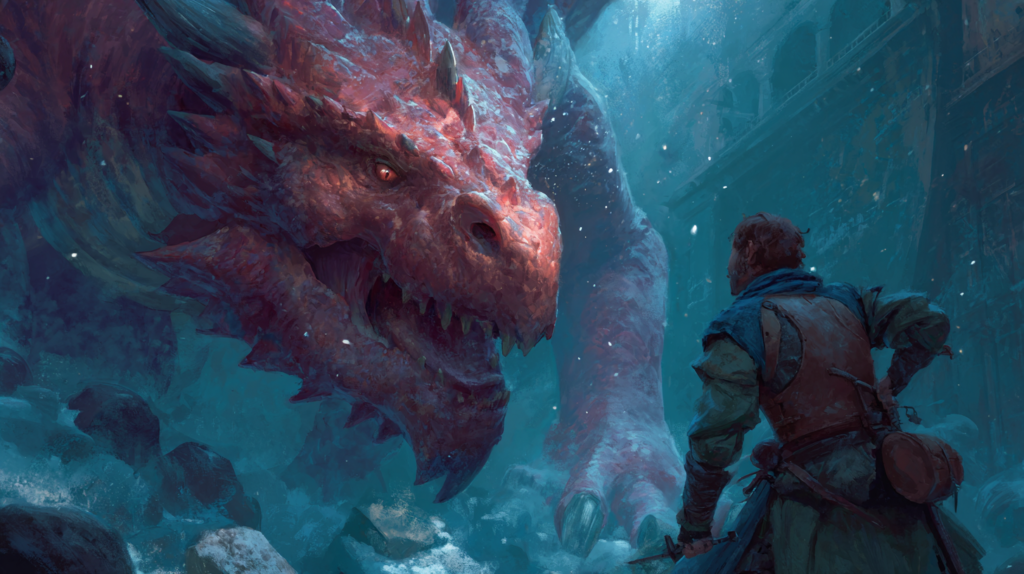
That’s where Undercommon comes in. It’s the shared underground language, kind of like a magical translator, everyone just knows down there. It’s not tied to one race or group.
It’s the common tongue of the deep, so a creepy crawler and a grumpy dwarf can actually hold a conversation without stabbing each other first.
But with it, things (usually) stay just calm enough for some shady deals and back-alley diplomacy.
The Origins and Lore of Undercommon
Undercommon didn’t just appear out of nowhere. It grew out of survival and need. When different underground creatures needed to talk, trade, and threaten without killing each other first, they had to create a shared language.
That’s where Undercommon came in.
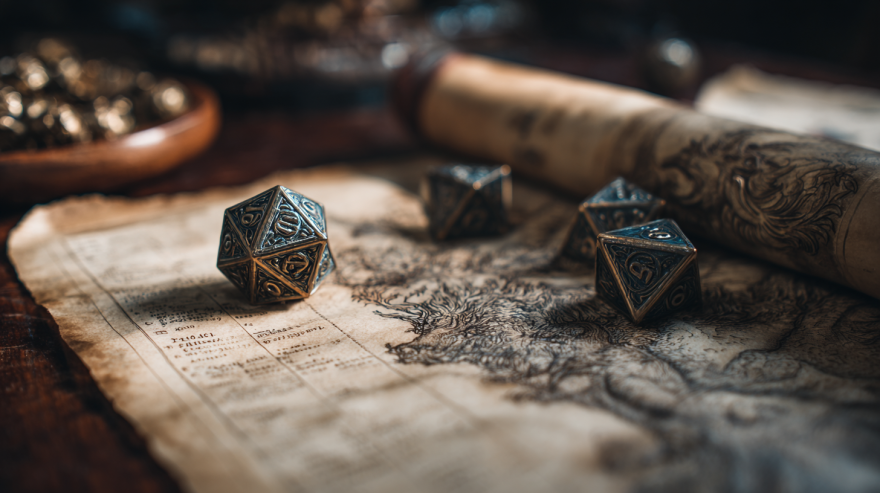
So, where did it come from?
Let’s break it down:
It wasn’t the first language of the Underdark.
Undercommon likely grew as a shared trade tongue between races like the drow, duergar, and deep gnomes. While Deep Speech is spoken by beings like mind flayers, it is a separate and unrelated language
But Deep Speech wasn’t useful for everyone.
Imagine drow (dark elves), duergar (gray dwarves), goblins, deep gnomes, and other races living in the Underdark. They all had their own languages: Elvish, Dwarvish, Goblin, etc. That made communication messy. Especially when trying to trade, threaten, or make shady deals.
So they mixed languages together.
Over time, bits of Common, Elvish, Dwarvish, Goblin, and Deep Speech blended into a new language: Undercommon. Think of it like a rough, underground version of a trade pidgin. Simple enough to be understood. Complex enough to get the job done.
It became the trade language of the Underdark.
Need to sell magical mushrooms to a drow? Buy cursed gemstones from a duergar? Smuggle scrolls past deep gnome checkpoints? You use Undercommon. It became the unofficial business language of the deep.
Different regions = different accents.
Since the Underdark is a huge, wild place, Undercommon doesn’t sound the same everywhere. In drow cities, it might sound silky and sharp, almost like Elvish. Among duergar, it’s rougher, clipped, with a lot of throat sounds. Dungeon Masters (DMs) often play with this to make the world feel more alive.
Why Should You Care?
If your character knows Undercommon, it says something about them.
- They’ve been places the average person hasn’t.
- Maybe they were raised underground, like in Menzoberranzan or Gracklstugh.
- Maybe they picked it up during dangerous dungeon crawls or by dealing with shady underworld types.
Either way, knowing Undercommon means you’ve walked the dark roads and survived.

But don’t be fooled by its creepiness. It’s entirely practical when you need it in your D&D campaign!
Who Uses Undercommon in D&D?
A lot of characters and monsters you’ll find underground use this language.
Here are a few of the key players:
- Drow: These aren’t your typical elves with their flowy tunics and nature walks. Drow are tough, live in cities below the surface, and love a good Undercommon chat when negotiating something dastardly.
- Mind Flayers (Illithids): These spooky guys can technically communicate telepathically, but hey, sometimes they feel like speaking aloud.
- Duergar: Grumpy, gray-skinned dwarves who live and work in the dark. They trade their crafts and goods with neighbouring underground dwellers, of course, in Undercommon.
- Svirfneblin and Kuo-Toa (Deep Gnomes and Fish-folk): These creatures are quirky and strange, making them even more fun to meet in your story.
Other weirdos like grimlocks, ropers, and even and even strange beings like derro or quaggoths might speak it too. You know, for variety!
Practical Applications for Adventurers
Let’s get into the actual gameplay. How does Undercommon help you during an adventure?
1. Negotiation and Trade
You walk into a duergar market. There are weapons, gems, and rare metals for sale. But no one speaks Common. If you don’t speak Undercommon, you’re either silent or paying triple.
With Undercommon, you haggle, ask questions, catch jokes, and avoid scams. You become part of the crowd, not just a clueless tourist.
2. Warnings and Whispers
Imagine sneaking past a drow patrol. You hear two guards talking in Undercommon. “Did you check the side tunnel?” one says. You now know they missed it. That’s your chance.
Or you find a message carved into stone:
“Beware the one who sleeps below.”
If you read it, you avoid danger. If you can’t? You wake it up.
3. Tactics and Planning
You’re mid-fight. Things are rough. You yell a quick phrase in Undercommon:
“Drop now!” Only your party understands. Everyone ducks. A fireball goes over their heads. You win that round.
Or maybe you’re trapped. You whisper to a prisoner in Undercommon. He tells you where the guards are. You escape.
Using Undercommon in Your Games
And here’s the best bit! If your character learns Undercommon in your game, it’s like a secret door opens up to tons of new things you can do in your story.
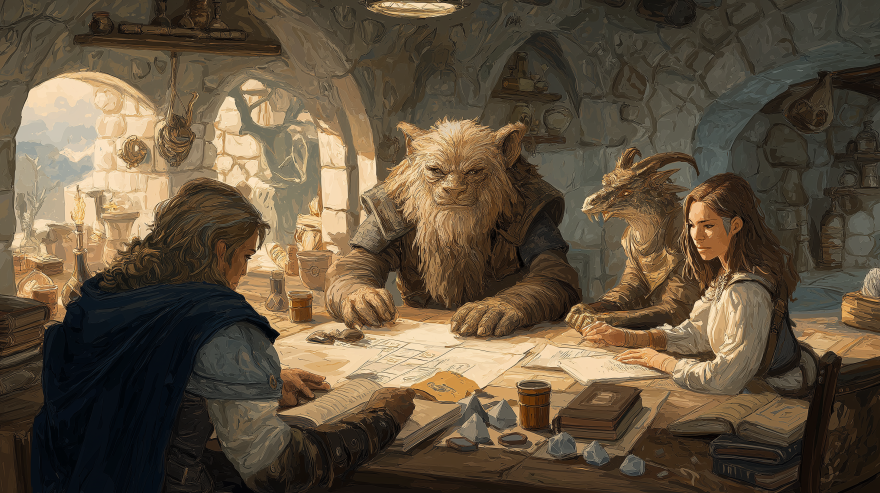
What if:
You’re creeping through a dark, dark cave, and you hear two mysterious people talking in a secret code.
But suddenly, it’s like a lightbulb goes off, and you can understand everything they’re saying! They’re telling secrets about a person they don’t get along with, and you can use those secrets to your advantage.
Or, worse, they’re plotting an ambush. With this knowledge, your group can outsmart them.
To the person leading the game: Make your players feel like smarty pants! Have some of the creatures speak in a different language.
When your friends understand it, they’ll feel awesome because they figured out something tricky!
Writing and Reading Undercommon
Here’s something fun! Undercommon isn’t just a spoken thing; it’s also written. Undercommon is often written using the Elvish or Dwarvish script, depending on the race or culture of the speaker.
There’s no single official script.
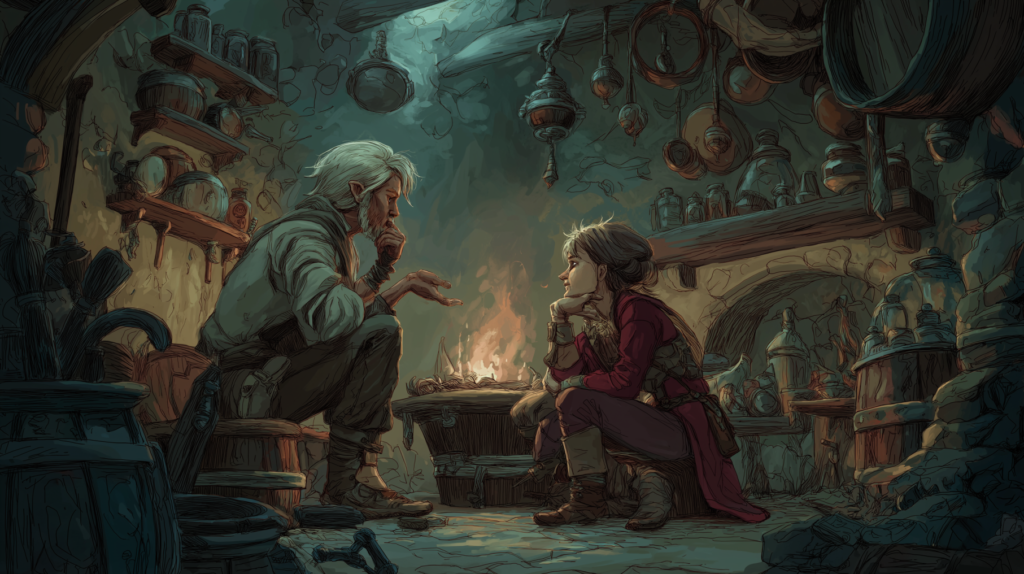
If your character finds an eerie scroll or a map etched in Espruar, congrats! You might be holding some juicy secrets in Undercommon.
But don’t worry if you can’t read it right away. This is when knowing someone with that language or using a magical spell like Comprehend Languages comes in handy!
Why Should You Learn About Undercommon?
You might be thinking, “This language is neat, but why should I care?” Good question! Even if you’re starting out in D&D, learning about Undercommon opens a whole new part of the game’s world. It’s like finding a secret door in a video game.

Suddenly, you’re not just a player on the surface; you’re in the deep, eerie world of the Underdark.
Plus, it opens doors to new storytelling options, whether you’re writing a spooky backstory for your character or planning big, dramatic game moments as a dungeon master.
If anything, it feels really cool to say, “Yeah, my character speaks Undercommon. No big deal.”
Let’s bring this to a close!
You should have a pretty good idea of what Undercommon is and why it’s such a fun addition to the D&D experience.
This language is great for when you’re exploring dark, hidden places or just making up cool conversations for your game. You can do so much with it!
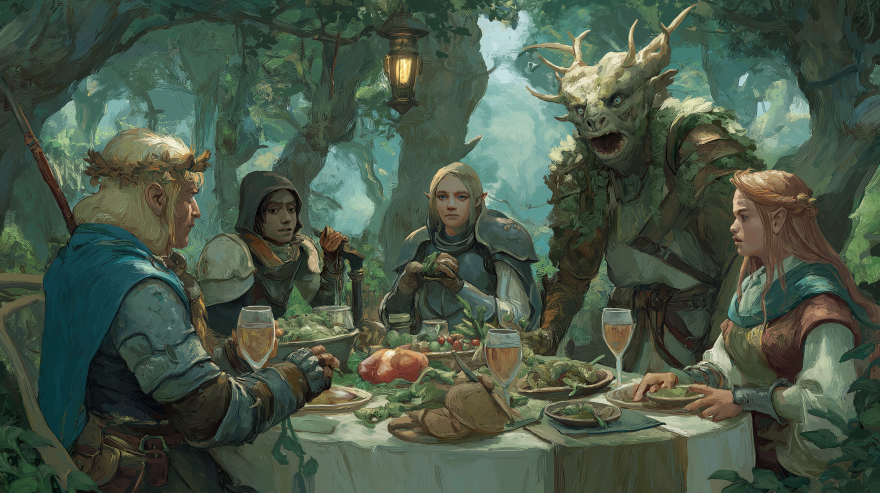
Who knows, you’ll be the one to figure out what those shadowy creatures are planning just by listening to their secret talk. Or, you could pretend you don’t know, and then surprise them with how clever you are!
Either way, understanding their special language makes everything more fun. We hope you understand Undercommon better now!
Go use it in your games, have fun making sounds with it, and make your play more amazing with just a few quiet words.
FAQs About Undercommon
1. Does every D&D character need to learn Undercommon?
Not really! It’s only good if you’re going into the dark tunnels. If you stay on top, you won’t need it.
2. Is it hard to learn Undercommon?
No need for you to learn Undercommon! Your pretend character can learn it with just a few simple choices when you make them or play with them.
3. What characters are more likely to know Undercommon?
If you’re a character who likes magic, secrets, or lives in underground tunnels, this is a language you might speak!
4. Can you use Undercommon outside the game?
If you’re a character who likes magic, secrets, or lives in underground tunnels, this is a language you might speak!
5. What does the Undercommon script look like?
There’s no one script. Some races use Elvish, others use Dwarvish or their own symbols.
6. Can players make up words in Undercommon?
Yes! If your DM says go for it, you can come up with unique ways your character talks in Undercommon. Get clever!