
Understanding Deathlocks: What You Need to Know About This Mysterious Creature


Deathlocks are one of the most intriguing and dark creatures found in fantasy worlds, particularly in role-playing games like Dungeons & Dragons. These beings have a unique existence, one that revolves solely around their service to a powerful patron. They are not driven by personal goals, desires, or ambitions but exist for the singular purpose of fulfilling their patron’s commands.

In this blog, we will dig into the fascinating world of Deathlocks, exploring their origins, personality, magical abilities, and why they are considered both tragic and dangerous creatures.
1. What is a Deathlock?
A Deathlock is a supernatural entity that was once a living creature but has been transformed into something entirely different—an undead being bound by dark magic. The exact nature of their transformation may vary depending on the patron or power that created them.
A Deathlock is no longer in control of its destiny; its purpose is to serve its patron, often a dark or powerful entity, with unwavering devotion.
Deathlocks are not individuals with hopes, dreams, or desires of their own. Instead, they are bound to their patron’s will, living as instruments of its desires. They serve in an unquestioning and unyielding manner, carrying out orders without hesitation.

The process of their transformation involves powerful dark magic, often including necromantic rituals or pacts with malevolent entities. This alteration strips away their free will, leaving only the desire to carry out their patron’s bidding.
The nature of their transformation into a Deathlock is often tied to necromancy or forbidden magic. This dark magic may be inflicted by a powerful sorcerer, a demon, or a dark god. Once the transformation is complete, the Deathlock loses any sense of individuality, and their existence becomes centered on fulfilling the desires of their patron.
As such, Deathlocks are often seen as tragic figures. They are remnants of what they once were, with no ability to regain their former lives. Instead, they serve as an extension of another’s will. The more powerful the patron, the more control they have over their Deathlocks, often manipulating them to fulfill dark or sinister purposes.
2. The Personality of a Deathlock
What makes a Deathlock truly unique is its personality—or, more accurately, its lack of it. A Deathlock does not possess the individualistic desires that make other creatures unique. Instead, it is solely focused on serving the will of its patron. The transformation into a Deathlock removes any personal goals, aspirations, or desires. The Deathlock’s entire existence is consumed by its need to fulfill the commands of its creator.
Unlike other magical creatures, who may have complex motivations or an inner life filled with hopes and fears, Deathlocks are simple in their devotion. They do not seek power, fame, or self-improvement. The driving force behind everything they do is their patron. This singular focus on serving the will of a patron makes them eerily predictable but also incredibly dangerous.
If a Deathlock is given a command, there is nothing that can deter it from carrying out that command to the fullest extent.
The lack of a personal identity or free will makes Deathlocks tragic figures. They are bound to serve, and their fate is dictated by an external force. There is no room for personal growth, nor is there a possibility of freedom. Deathlocks exist solely for the satisfaction of their patron, making them some of the most enslaved creatures in any magical world.
This tragic state of being makes Deathlocks particularly sympathetic to those who may encounter them, yet also terrifying for those who find themselves on the wrong side of their loyalty.
It is also worth noting that Deathlocks do not possess the capacity for empathy or independent thought. They do not question their patron’s orders, no matter how dark or sinister those orders may be.
This makes them highly effective tools of destruction and manipulation. They carry out their tasks with cold efficiency, never stopping to ponder the morality or consequences of their actions. They are often used by powerful individuals or entities as pawns in their schemes, exploiting the Deathlock’s inability to resist orders.
3. The Magical Abilities of a Deathlock
One of the most compelling aspects of a Deathlock is its magical abilities. While many Deathlocks are creatures of the undead, their abilities are far more than just physical traits. They are magical beings, and their spellcasting capabilities are a key part of their existence.
At their core, all Deathlocks have innate spellcasting abilities. These abilities are a reflection of their transformation, which connects them to the dark forces that created them. Their magic is tied to the undead realm and the powers of their patron. In particular, all Deathlocks are able to cast certain spells such as:

- Detect Magic: This spell allows the Deathlock to sense the presence of magic around it, a useful ability for navigating magical landscapes or finding hidden enchantments. This spell is often used by Deathlocks when they are on a mission to uncover hidden magical forces or to locate other magical creatures.
- Disguise Self: A versatile spell that enables the Deathlock to alter its appearance, either to blend in or deceive others. This is a common ability used by Deathlocks when infiltrating societies or gathering information, as it allows them to assume the form of different individuals.
- Mage Armor: This spell protects the Deathlock from physical harm by creating a magical force field, which is especially useful in combat. Given their vulnerability to physical attacks, this ability provides them with enhanced protection and helps them survive in dangerous environments.
These abilities give Deathlocks the ability to interact with and manipulate magic in ways that many other creatures cannot. However, their spellcasting goes beyond just these basic abilities. In addition to their innate spellcasting powers, Deathlocks retain some of the spells from their past lives, if they had any magical abilities before their transformation.
For example, a Deathlock who was once a wizard may retain some of the spells from their previous life. These spells may include:

- Arms of Hadar: A dark, necrotic spell that creates tendrils of energy to lash out at enemies. This ability is particularly useful for dealing with multiple foes, as it can strike at multiple targets in an area of effect.
- Chill Touch: A ghostly touch that can deal necrotic damage and prevent healing. This spell is often used by Deathlocks to weaken their enemies and prevent them from recovering health, making it a powerful tool in prolonged battles.
- Hold Person: A spell that can paralyze an enemy, rendering them helpless. This is an effective ability for subduing powerful opponents, making it easier for the Deathlock to either incapacitate them or carry out its mission.
- Invisibility: A spell that allows the Deathlock to disappear from sight, making it harder for enemies to target them. Invisibility is often used for stealth missions or covert operations, allowing Deathlocks to gather intelligence or infiltrate enemy territory.
These abilities make Deathlocks powerful creatures in combat, able to control the battlefield with their spellcasting. However, the specific spells that a Deathlock has access to can vary depending on the patron they serve and the circumstances of their transformation. Some Deathlocks may have access to a wider range of spells depending on their past lives or the nature of their transformation.
4. The Mastermind Deathlocks
While most Deathlocks are powerful in their own right, there are a select few who have become even more formidable. These Deathlocks are known as Deathlock Masterminds, and they have access to a much wider array of magical abilities than regular Deathlocks.
A Deathlock Mastermind is typically created when a Deathlock is given an additional level of power by its patron. This could involve further magical rituals, enhancements to the Deathlock’s abilities, or a more intricate bond with its patron. As a result, Deathlock Masterminds gain access to a range of spells that ordinary Deathlocks do not possess.
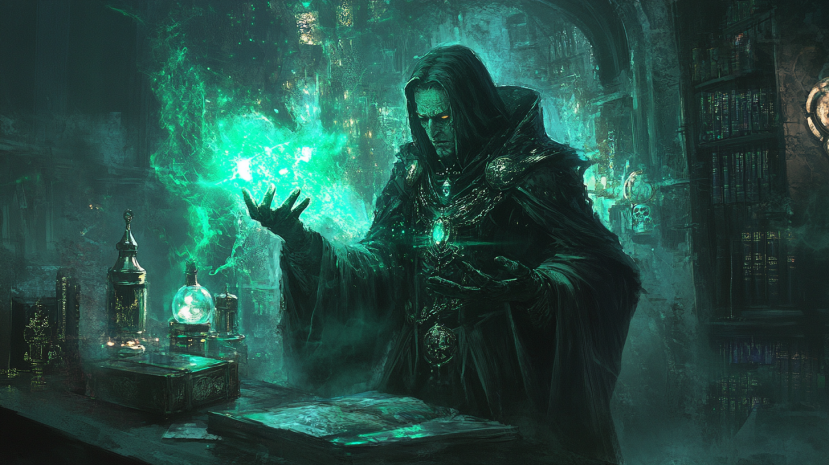
Some of the additional spells that a Deathlock Mastermind might have access to include:
- Blight: A spell that drains the life force of living creatures, causing them to wither and die. This is a particularly devastating spell used by Deathlock Masterminds to weaken their enemies and render them helpless in battle.
- Counterspell: A powerful defensive spell that allows the Deathlock to negate the magic of other spellcasters. This makes the Deathlock Mastermind a formidable opponent in magical duels, as they can disrupt their enemies’ spellcasting and protect themselves from magical attacks.
- Fly: A spell that grants the Deathlock the ability to fly, giving them mobility in combat. The ability to fly makes the Deathlock Mastermind a highly versatile combatant, able to strike from above and avoid ground-based attacks.
- Minor Illusion: A versatile illusion spell that can create sounds or images to deceive enemies. This spell is useful for deception, allowing the Deathlock Mastermind to create distractions or manipulate enemies into making mistakes.
These additional spells make Deathlock Masterminds more versatile in combat and more dangerous overall. They are often able to strategize and plan more effectively, using their magical abilities to outwit or overpower their opponents. In addition to their spellcasting prowess, Deathlock Masterminds are also capable of using necrotic bolts—dark, magical projectiles that can deal devastating damage to enemies.
A Deathlock Mastermind is not just a servant; it is a leader, a tactician, and a powerful force in its own right. They are often the masterminds behind complex magical operations, orchestrating battles and strategies in the name of their patron.
5. What Makes Deathlocks Unique?
Deathlocks are unique creatures because of their singular devotion to their patron. Unlike other magical creatures, who might be driven by personal goals or the pursuit of power, Deathlocks have no individuality. Their existence revolves entirely around fulfilling the desires of the entity that created them. This lack of autonomy makes them both fascinating and tragic.

Another factor that sets Deathlocks apart is their versatility in magic. While many creatures may have innate magical abilities, the combination of necromantic power, spellcasting, and physical resilience makes Deathlocks formidable opponents. They are not just powerful in terms of raw strength, but also in their ability to control and manipulate magical forces. They are often able to use magic to solve problems, defeat enemies, and protect their patrons.
Moreover, the concept of a Deathlock is inherently tragic. These are beings that were once alive, but their existence has been stripped of meaning. They are bound by forces beyond their control, and their lives have no personal purpose. They are tools, weapons, and servants, with little room for personal growth or freedom. This makes them tragic figures, trapped in an eternal cycle of servitude with no way to escape.
Conclusion
In conclusion, Deathlocks are some of the most unique and compelling creatures in the fantasy world. They are bound by dark magic, devoid of personal goals, and exist solely to serve the will of their patron. While their lack of autonomy may make them tragic figures, their magical abilities and devotion to their masters make them incredibly powerful and dangerous.

Deathlocks are not just mindless zombies or soulless servants—they are beings with powerful magical abilities, shaped by their patron’s desires. The addition of Deathlock Masterminds adds another layer of complexity to their nature, as these beings become even more powerful and dangerous, capable of performing dark and strategic feats.
Whether as powerful spellcasters, tragic figures, or dark strategists, Deathlocks are an essential part of any fantasy world. Their presence adds intrigue, mystery, and danger, making them unforgettable characters in the lore of the magical world.
Frequently Asked Questions (FAQ)
1. What is the difference between a Deathlock and a Deathlock Mastermind?
A Deathlock Mastermind has access to a wider range of spells and abilities than a regular Deathlock. They also have the ability to plan and strategize, making them more dangerous and powerful.
2. Do Deathlocks have free will?
No, Deathlocks do not have free will. Their entire existence is devoted to fulfilling the desires of their patron, leaving no room for personal goals or independent thought.
3. What spells do all Deathlocks share?
All Deathlocks have the ability to cast Detect Magic, Disguise Self, and Mage Armor. Additionally, they can retain spells from their past life, such as Arms of Hadar, Chill Touch, and Hold Person.
4. Can a Deathlock ever be freed from its servitude?
In most cases, a Deathlock is bound to its patron and cannot free itself. However, there may be rare circumstances where a Deathlock’s bond is broken, though this would be an extraordinary event.
5. Are Deathlocks always evil?
Deathlocks are often associated with dark magic and evil patrons, but their moral alignment is largely defined by the nature of their patron. They themselves do not have personal morality—they only serve their patron’s will.