
Chain Shirt 5e: A Guide to the Essential Armor

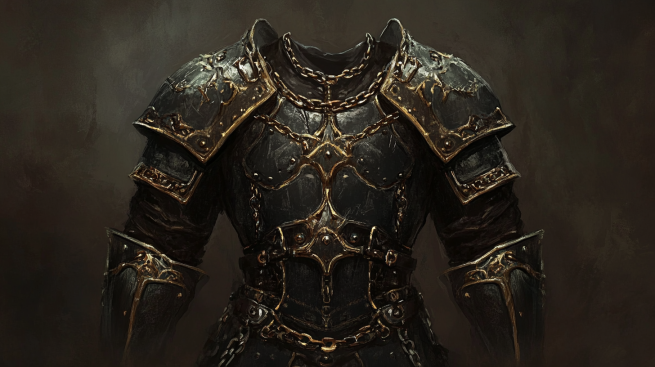
The bite landed with a sickening thud, the chain shirt absorbing the brunt of the attack. It had saved her life; that much was undeniable. Aelinor scrambled up, heart hammering against her ribs. But the harsh reality settled like ice – a chain shirt, her only defense, had just saved her life. Now, she faced a snarling wolf fueled by primal rage. Her dagger was a mere sliver of hope against this relentless fury.

While allowing her agility, the chain shirt offered scant protection against the raw power of the wolf’s assaults. Each clash drained her breath, the impacts leaving a dull ache beneath the metal mesh. She was reaching the limits of its protection, the fight slowly turning against her.
Out of the darkness, a vast, dire wolf sprang with bared fangs, its evil fire glowing from its eyes. In a flash, it sprang at Aelinor. Her response was instinctive. A quick roll to the side and the wolf’s teeth snapped inches from her, the beast’s jaws clanging against her chain shirt.
This was a rather stark reminder of chain shirts sometimes being a rogue’s best friend: necessary protection without the sacrifice of mobility, though, of course, little to be provided in the way of padding against blunt force trauma. The chain shirt is a moment of the double nature in the Dungeons & Dragons 5th Edition (5e).
So, as one of the quintessential armors within the game, the chain shirt does toe the line between accessibility and moderate protection. Ideal for classes with a heavy reliance on agility and stealth, such as rogues, this suit offers 13 armor class bases in addition to the wearer’s dexterity modifier without the armor check penalties of heavier protection.
In the context of D&D 5e, the chain shirt represents a crucial choice for adventurers.
Balancing between defense and dexterity allows characters to proceed quickly in their dangerous quests, as Aelinor does. The original design for this sort of armor was made up of interlinking metal rings.
Thus, the flexible solution is that it could be worn under clothes or over everyday garments to be worn openly. The evidence proved that this kind of armor could be used in its manner for either covert or overt applications.
This guide tells you everything about the chain shirt, from its historical inspiration right up to its workings in the game world and how best you would use it in your D&D campaign.
Whether you’re a veteran character trying to min-max your loadout or a brand-spanking new player who just wants to learn a little more about his available armor, it all boils down to understanding the subtleties of a chain shirt.
Join us as we explore the literal and metaphorical layers of this pivotal piece of armor.
Within the milieu of Dungeons & Dragons 5th Edition (D&D 5e), the chain shirt becomes an absolutely quintessential suit of armor—almost vital to those adventurers wishing to negotiate protection in terms of agility. It is made by linking thousands of small metal rings with each other in the form of a mesh to be worn covering the torso down to the waist.
Even if it is relatively light and breathable because of the complexity of its making, it provides quite a high level of protection against cuts and thrusts.
What is a Chain Shirt?
The chain shirt is very light compared to the full suit of armor, similar to chainmail or plate armor. If a chain, this simple shirt of interlocking metal rings is ideally suited for defense by a character who wants light armor that will allow him much mobility and stealth.

Designed to be worn under clothing or leather armor without being noticed, the wearers can move unobtrusively—unnoticed, yet well protected. That’s a feature rogues and rangers will appreciate, where they can stay light and not bother about being weighed down by heavier armaments.
A chain shirt has a historical origin from the life of a haubergeon or mail shirt, worn during the medieval period. It became an indispensable article within the arsenal of a European knight, having wide use among the soldiery and mercenaries of certain cultures. The haubergeon gave a pretty good compromise about the freedom of movement and protection required, which would be life-critical during combat on both mobility and durability on the battlefield.
Similar items of clothing could be found all over the world, displaying a commonality that assumes human beings feel the need to develop protection equipment that does not interfere with movement.
In D&D 5e, chain shirts give a bonus to the armor class (AC)—something that could prove invaluable when in the thick of battle, as it were. It also provides a Disadvantage to Stealth checks, from which most character classes would benefit.
This makes it a very strategic alternative for skirmish players, needing both protection and the element of surprise. This means that the chain shirt provides physical and tactical protection against the wide range of combat scenarios presented by D&D 5e.
Fundamental Mechanics: List the core mechanics of the chain shirt
- Armor Class (AC) Contribution
The chain shirt is categorized as medium armor and offers a base Armor Class of 13. Players can add their Dexterity modifier to this base, but only up to a maximum of +2. This makes the chain shirt an excellent choice for characters with a moderate Dexterity score, balancing protection and flexibility.
- Weight and Mobility
Weighing 20 pounds, the chain shirt is lighter than many other types of medium armor, such as the scale mail or breastplate. This relative lightness allows for better mobility in combat and less fatigue during long journeys. The reduced weight makes it a favored option for scouts, rogues, and rangers who rely on stealth and speed.
- Stealth Capability
Unlike heavier or bulkier armor, the chain shirt has no disadvantage regarding stealth checks. This feature is advantageous for characters who must maintain agility and stealth during missions, such as ambushes or reconnaissance.
- Material and Durability
Traditionally made from interlocking metal rings, chain shirts offer substantial protection against slashing attacks while providing more flexibility than plate armor. The design of the chain shirt allows for vital areas to be protected without sacrificing the range of motion, which is crucial for characters who engage in melee combat.
- Accessibility and Cost
The chain shirt is priced at 50 gold pieces, making it an affordable option for adventurers who have amassed some wealth and have yet to invest in high-end armor. It’s often available in most markets and armories, making it an accessible choice for characters early in their adventures.
- Upgrade Path
As players progress in their campaign, the chain shirt can serve as a transitional armor before moving to heavy, more protective gear like the breastplate or half plate. Additionally, enchantments can enhance their protective qualities, adapting them to the evolving challenges adventurers face.
- Compatibility with Other Gear
The chain shirt can be worn under regular clothes or a cloak, concealing its presence, which can be advantageous in social situations where displaying armor might be frowned upon. This compatibility with other gear makes it a flexible choice for characters navigating combat and complex social interactions.
Advantages of the Chain Shirt: Highlighting the Benefits
In Dungeons & Dragons, of course, 5th Edition (5e), the chain shirt does appear as a type of hallmark of magical armor for adventurers looking to maintain a balance between protective capacity and mobility.
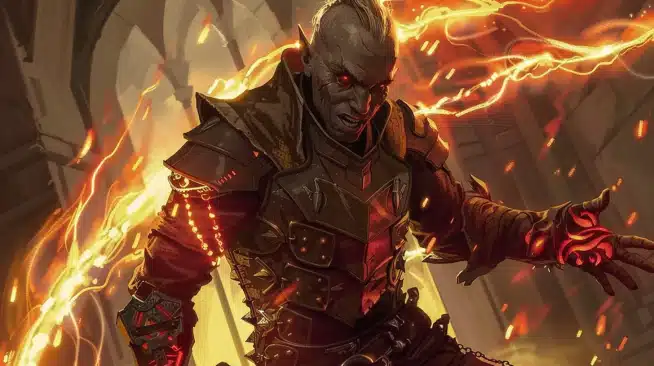
The following section discusses some of the key benefits of wearing a chain shirt, mainly that it’s cheap, incredibly flexible, and can offer users a hidden advantage by being worn beneath their regular clothes.
Affordability Compared to Heavier Armor
In a 5e world, full-plate armor becomes a crippling expense that most adventurers could never afford. On the other hand, the chain shirt is a cheaper alternative but offers respectable protection. The most typical composition of this armor, which should be noted, usually costs much less than heavier armor such as plate mail or a breastplate, so it would be a reasonable option for adventurers of early levels or those with little coin.
But that does not make it less affordable, durable, or protective; the chain shirt still the armor class points and is a relatively reasonable armor for any player from beginner to pro.
Flexibility Allowing for Easier Movement
Another massive benefit of the chain shirt, was that it was flexible and could fit the wearer’s body. It had linked metal rings and thus molded to whomever it covered: in a word, the body could move more flexibly when wearing it than with the stiff types of armor.

These, therefore, are great when one has to be flexible, especially in battle, where one has to be skillful and fast to save a life. Chain shirts offer adventurers the ability to do all acrobatic rolls with minimal fuss, dodge attacks, and better handle complex battle scenarios.
The chain shirt supports the most critical movements without all the cumbersome weight that so many times comes from heavier armors, ideally allowing the dexterous mobility-based classes such as rogues or rangers.
Subtle Appearance When Worn Under Clothing
One of the primary understatements of the chain shirt is that it can be worn under regular clothing in such a way that it is unnoticeable. This makes an item so invaluable to anybody who needs to be able to keep a low profile or, for that matter, do anything in the way of covert action.
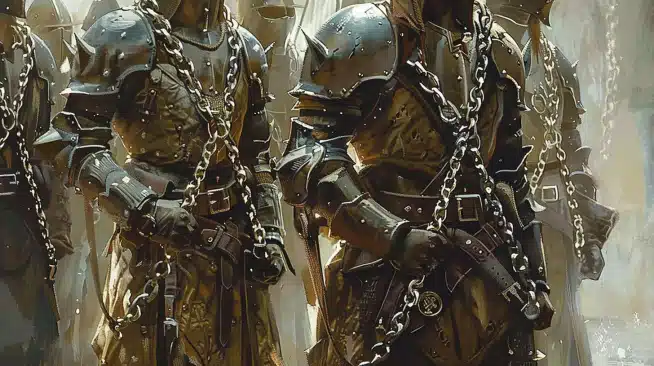
The design allows a chain shirt to be worn comfortably underneath a tunic or cloak, which is almost invisible to an unsuspecting eye. This can be critical in social situations where overt displays of martial prowess are disadvantageous or when one is trying to surprise an opponent.
Another strategic layer of character planning and deployment ability added to role-playing elements within D&D by allowing characters to wear armor they could not otherwise wear.
In conclusion, the Dungeons & Dragons 5e chain shirt is a versatile and practical choice for adventurers. It is affordable and, therefore, highly reachable. The uniform is very flexible and thus suitable for quite many physical activities.
It can be worn under everyday attire, giving a social and tactical advantage in combat situations. Chain shirts can give an adventurer the perfect balance of protection if he has to skulk through the shadows like a rogue, scout ahead like a ranger, or even cast a spell without the discomfort of bulky encumbrance like a sorcerer.
Transitioning Beyond the Chain Shirt
In Dungeons & Dragons 5th Edition (5e), the trusty chain shirt is a dependable armor option for burgeoning adventurers. However, as challenges escalate, so does the need for more robust protection.
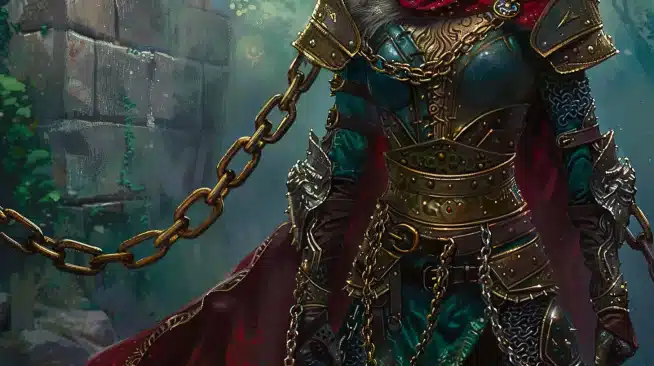
Constraints of the Chain Shirt
While commendable for early-game defense, the chain shirt’s medium weight can encumber movement and hinder dexterity. Furthermore, its defensive capabilities may need to improve against formidable adversaries as your journey unfolds.
Elevating Your Defense
When the time arrives to transcend the chain shirt, consider the following avenues:
- Plate Armor: Representing the zenith of heavy armor, plate armor affords unparalleled protection in 5e. Nevertheless, its substantial weight imposes considerable restrictions on mobility.
- Half Plate: Offering a compromise between defense and agility, half plate presents formidable protection while permitting greater freedom of movement compared to its bulkier counterpart.
- Studded Leather: For those favoring nimbleness, studded leather strikes a harmonious equilibrium between safeguarding and fluidity.
- Enchanted Armor: Progressing further, contemplate enchanted armor imbued with mystical enhancements to fortify defense or confer specialized abilities.
- Selecting the Optimal Upgrade:The most fitting upgrade hinges upon your character’s style of play and exigencies. Frontline combatants prioritizing defense may find solace in plate or half plate, while those esteeming agility may gravitate toward studded leather or enchanted armor amplifying dexterity. Remember that augmenting your armor may entail sacrifices such as diminished mobility or a loftier price tag. Deliberate the merits and demerits judiciously before reaching a verdict.
Summary
In conclusion, a chain shirt in D&D 5e provides a good balance between mobility and protection. Made from interlocking metal rings, it offers a base Armor Class of 13 without hindering your Dexterity-like heavier armor. It’s also relatively lighter than full chainmail and can be worn comfortably under clothing. While not the strongest armor available, it’s a solid choice for adventurers who prioritize agility alongside defense.
Chain Shirt FAQs
What is a chain shirt?
A chain shirt is a medium armor option in D&D 5e. It’s made of interlocking metal rings, offering some protection to the upper body while being lighter than full chainmail. Unlike chainmail, it doesn’t require any strength to wear.
How much protection does a chain shirt offer?
A chain shirt provides a base Armor Class (AC) of 13, a decent improvement over clothing or leather armor.
Does a chain shirt hinder stealth?
Yes, wearing a chain shirt gives a disadvantage on Dexterity (Stealth) checks due to the sound of the metal rings clinking together.
Can I wear a chain shirt under regular clothes?
The description mentions it being worn under clothing, and outer layers can muff the clanking. However, it likely wouldn’t provide a perfect disguise due to bulk and weight.
What are the pros and cons of a chain shirt?
Pros:
- Offers good protection compared to lighter armor.
- No strength requirement to wear.
- It can be muffled for better stealth than full chainmail.
Cons:
- Lower AC than heavier armors.
- Disadvantage on Stealth checks.
- More expensive than the lighter options.