
Starspawn in Dungeons & Dragons 5th Edition

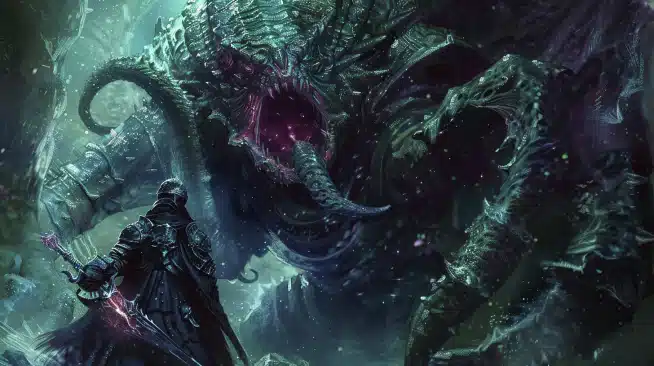
Staring at the stars at night, ever get a little spooked? Like there might be something bad out there? That feeling has a fancy name in Dungeons & Dragons: the Star Spawn.
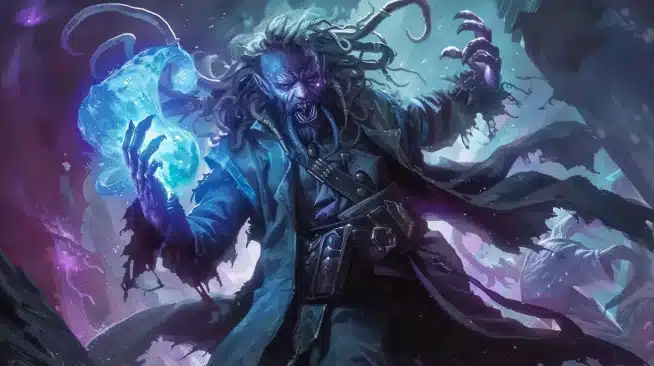
These horrifying aberrations are not celestial bodies in the traditional sense. They are the precursors of older, more evil entities, as well as older and malevolent entities – the Elder Evils. These cosmic horrors exist outside of our ordinary understanding of reality, and the Star Spawn serve as their twisted emissaries, oozing into the Material Plane with a singular purpose: to herald the arrival of their unfathomable masters.
The Star Spawn is a diverse brood, ranging from gibbering and protoplasmic horrors to warped parodies of humanoids. Each grotesque form embodies a different facet of the Elder Evils’ madness, driving those who encounter them to insanity. Their mere presence warps reality, twisting the minds of mortals and leaving landscapes scarred with otherworldly blight.
This guide delves into the chilling world of the Star Spawn. We’ll explore their origins, their connection to the Elder Evils, and the various forms they take. You’ll learn about their horrifying abilities, the madness they inflict, and the chilling impact they have on the world.
Whether you’re a seasoned dungeon master seeking to unleash cosmic nightmares upon your players or a player character facing the encroaching darkness, this guide will equip you with the knowledge you need to survive encounters with these horrors from beyond the stars.
Star Spawn: Messengers of Cosmic Horror in D&D 5e
In the game Dungeons & Dragons 5th Edition, there are scary space monsters called Star Spawn. These creatures are warped and twisted by ancient magic, and they come before even worse evils. They’re a big threat from space that can mess up reality itself.
Where does Star Spawn Come From?
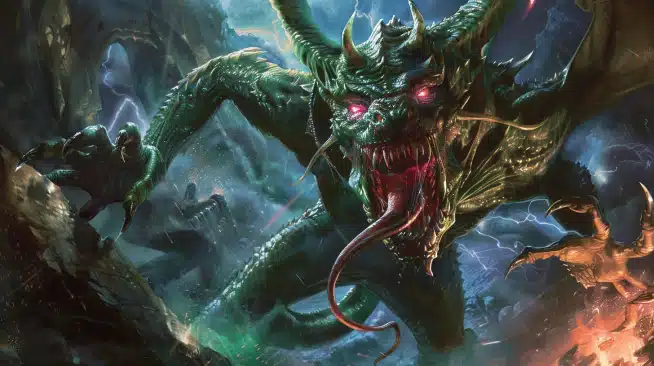
Star Spawn isn’t born on a whim. They are spawned by monstrous entities called Elder Evils. These beings lurk in the far reaches of space, their influence tainting the very stars themselves. Each tainted star becomes a breeding ground for a specific type of Star Spawn, reflecting the Elder Evil’s unique power.
Think of it this way: a twisted star is like a diseased apple tree. The “apples” (Star Spawn) that grow on it are rotten similarly, but each might have slightly different features depending on the specific disease.
What is Star Spawn Like?
Star Spawn are diverse, but they all share some common traits. They are alien and unsettling, often a bizarre mix of flesh, bone, and otherworldly materials. Their connection to the Elder Evils warps their minds, making them cruel and destructive. Most importantly, they are nearly impossible to reason with – their only goal is to spread their master’s influence and corrupt the world.

Here are some key things to remember about Star Spawn:
- They are alien: Forget cuddly Ewoks from space. Star Spawn are horrifying creatures that defy normal biology.
- They are servants: They don’t act independently but rather serve the Elder Evils.
- They are varied: Different stars spawn different types of Star Spawn, each with unique abilities.
- They are dangerous: Star Spawns are potent foes, often possessing strange powers and resistance to normal attacks.
How does Star Spawn Arrive?
Star Spawn doesn’t just magically appear on your doorstep. Their arrival is tied to the movement of celestial bodies. Imagine the stars as giant slingshots and the Elder Evils as the beings pulling back on the slingshot. Every so often, depending on the specific star, they can fling a Star Spawn towards a world. This often happens when planets are in a particular alignment, creating a window for the Elder Evils to exert their influence.
The Corruption of the Star Spawn
The arrival of a Star Spawn is a terrible omen. These creatures don’t just attack; they spread corruption wherever they go. This can manifest in different ways, such as:
- Warping the environment: The land around a Star Spawn might become barren and twisted, reflecting the alien influence.
- Corrupting minds: People exposed to Star Spawn might experience nightmares, hallucinations, or even be driven mad.
- Empowering cultists: Sometimes, the arrival of a Star Spawn attracts those who already dabble in dark powers. These cultists might see the Star Spawn as a herald of a new order and worship the Elder Evils behind them.
Facing the Star Spawn Threat
For adventurers in D&D 5e, Star Spawn represents a terrifying challenge. They are powerful foes with strange abilities, and their presence can have a devastating impact on the world. However, there are ways to fight back:
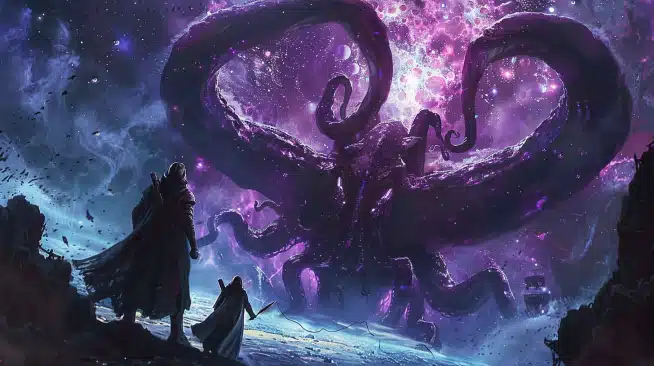
- Thwarting the cults: Stopping cults that worship the Elder Evils can help prevent Star Spawn from arriving in the first place.
- Seeking knowledge: Learning about the specific Star Spawn and the Elder Evil it serves can provide valuable insights on how to defeat it.
- Gathering allies: Facing a Star Spawn threat is often a job for a well-equipped and diverse group of adventurers.
The Star Spawn: A Glimpse into the Cosmic Unknown
The concept of Star Spawn in D&D 5e adds a touch of cosmic horror to the game. They represent a threat from beyond the veil of reality, a reminder that the universe holds dangers beyond our wildest nightmares. Whether as a terrifying foe to be vanquished or a source of unsettling lore, the Star Spawn adds depth and intrigue to the world of D&D.
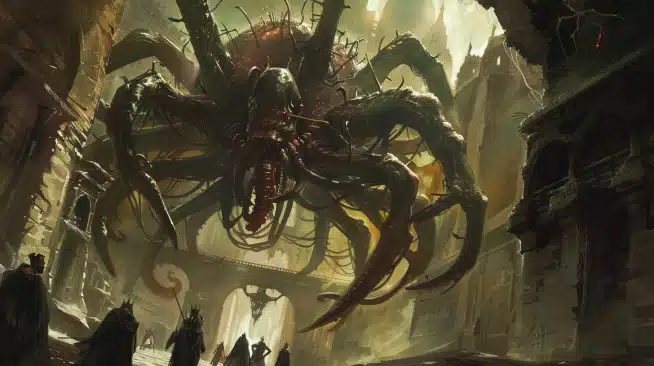
Unveiling the Starspawn: Cosmic Horrors Among Us
The Starspawn are chilling creatures that have haunted the fringes of legend for centuries. Their arrival in our world is shrouded in mystery, sparking fear and sparking countless theories. Let’s delve into the unsettling world of these cosmic horrors.
Origins and Lore: Where Do They Come From?
There are several competing ideas about how the Starspawn came to be:
- Meteoric Impact: Some believe a fallen star, perhaps imbued with alien energy, unleashed these creatures upon our world. This theory suggests the crash site might hold clues to its origin and potentially a weakness.
- Celestial Descent: Others whisper of the Starspawn falling from the heavens themselves. This theory paints them as harbingers of something far more sinister, perhaps a full-scale alien invasion.
- Alien Invasion: The most terrifying theory suggests the Starspawn are just the vanguard of a larger alien force. This possibility raises the chilling question: are they here to scout, or are they the first wave of a conquest?
The truth remains shrouded in mystery. Perhaps it’s a combination of these theories or something entirely different.
Biological Makeup: A Nightmare Unfurled
Starspawn is a grotesque fusion of alien biology and unsettling adaptations. While some retain a vaguely humanoid shape, they are twisted with inhuman features. Imagine elongated limbs, unsettlingly smooth or rough skin, and an unsettling number of eyes or appendages.
Unique Adaptations: These creatures possess a variety of unsettling abilities. Some can manipulate the minds of others, while others exude a maddening aura or possess incredible resilience. Their biology seems almost alien, defying what we know about life in our world.
Species Variation: The Starspawn aren’t a single uniform species. Different types manifest with distinct appearances and abilities. Some are hulking brutes, while others resemble twisted scholars with unsettling intelligence. Each encounter with a Starspawn can be a terrifying surprise.
Starspawn Variants: A Rogue’s Gallery of Terror
Here’s a glimpse into some of the known horrors:
- Star Spawn Hulk: A monstrous behemoth, the Star Spawn Hulk is a brutal killing machine. Its immense size and strength make it a formidable opponent. ([Source: Volo’s Guide to Monsters])
- Star Spawn Seer: This spindly creature with a bulbous head possesses unsettling psychic abilities. It can manipulate minds, sow discord, and potentially even summon other Starspawns. ([Source: Volo’s Guide to Monsters])
Homebrew Variations: As a Dungeon Master, you can create your own Starspawn variants to tailor them to your campaign. Imagine a winged Star Spawn that preys on settlements from above or a stealthy Star Spawn that infiltrates societies to spread madness from within.
The Starspawn Threat: Disrupting the Natural Order
Starspawns are horrifying creatures from beyond the stars, their presence a blight upon the natural world. They disrupt the delicate balance of ecosystems, threaten intelligent life, and sow chaos wherever they appear.
Resource Raiders: Starspawns are driven by a primal hunger, consuming vast amounts of resources to sustain themselves. They can strip entire regions of flora and fauna, leaving behind barren wastelands. This disrupts the food chain, pushing native predators and prey towards starvation. Imagine once-lush hunting grounds reduced to a desolate landscape, forcing creatures into unfamiliar territories and creating a domino effect of conflict.
Active Predators: Starspawns are not passive consumers. They actively hunt other creatures, particularly intelligent beings with strong magical auras. Their motivations can vary: perhaps they seek to consume magical energy directly, or maybe they see intelligent life as a threat to their own dominance. This ruthless predation creates a constant state of fear and paranoia, with settlements living under the shadow of a potential Starspawn attack.
Shattering Societies: Starspawn presence can tear apart established factions and societies. Their alien nature and destructive tendencies are difficult to comprehend, let alone trust. Existing power structures crumble as traditional leadership struggles to deal with this unprecedented threat. This can lead to internal conflict, with different factions arguing over how to respond. Imagine a once-unified kingdom fracturing as religious leaders clash with pragmatic military commanders over the best way to combat the Starspawn.
Campaign Ideas: Unleashing the Horror
The presence of Starspawn offers a wealth of potential for your D&D campaign:
- Outbreak Investigation: The PCs are tasked with investigating a sudden surge in Starspawn activity. Was it a random incursion, or is there a deeper plot at work? Their investigation could lead them to uncover a hidden portal spewing forth Starspawn or a corrupted cult unwittingly summoning these alien creatures.
- Corrupted Settlement: The PCs stumble upon a once-thriving town now overrun by Starspawn. They encounter a lone survivor hiding in the ruins, desperate to escape with a vital message or a powerful artifact that could hold the key to defeating the Starspawn. The PCs must navigate the dangers of the corrupted town, rescuing the survivor and retrieving the artifact.
- Desperate Struggle: As the Starspawn threat escalates, the PCs find themselves at the forefront of a desperate struggle to prevent a full-scale invasion. This could involve leading evacuation efforts, securing key defensive positions, or even undertaking a daring raid to disrupt the Starspawn spawning grounds. The fate of entire nations could rest on the PCs’ success.
The Wrapping up
So, Starspawn are basically alien monsters, born in a super dark place. They can be small and gross or giant and scary! They have weird abilities that mess with the world and can drive people crazy. But hold on, even though they’re monstrous, they can make your D&D campaign more exciting!
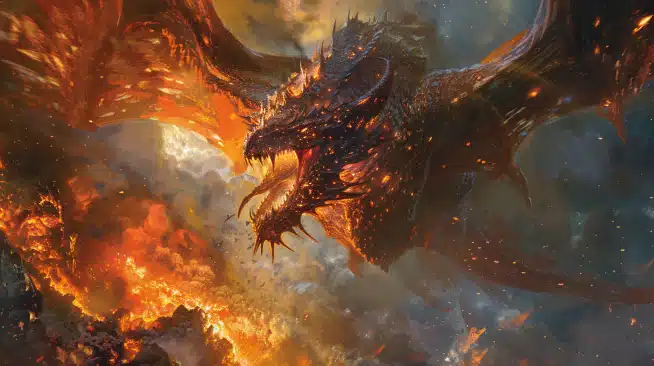
Imagine a quaint village slowly succumbing to a strange illness, its inhabitants whispering about a star that fell from the sky. Their dreams become plagued by nightmares of writhing tentacles and maddening whispers.
This could be the work of a Star Spawn Hulk, a monstrous entity corrupting the land and driving the villagers insane. Perhaps your players stumble upon an ancient cult devoted to a slumbering Star Spawn deity, seeking to awaken it and usher in a new, horrifying age. The possibilities are endless!
Starspawn offers a unique opportunity to weave cosmic horror elements into your D&D campaign. The vastness of the Far Realm and the unsettling nature of these creatures can create a sense of dread and unease, unlike anything your players have faced before. Their powers can challenge traditional tactics, forcing players to think outside the box and confront existential threats.
So, the next time you’re planning a D&D campaign, don’t be afraid to look to the stars. There, lurking in the cosmic shadows might be the inspiration for your most terrifying and unforgettable adventure yet. Embrace the madness, unleash your creativity, and see where the whispers of the Starspawn take you.
Top 5 FAQs on Starspawn in Dungeons & Dragons 5th Edition
1. What is Starspawn?
Starspawn are horrifying aberrations from the Far Realm, existing beyond the normal planes of reality. They serve as heralds and minions of even greater cosmic horrors known as Elder Evils. These twisted creatures are often the first sign of an Elder Evil’s influence in the Material Plane.
2. What is Starspawn Like?
Starspawns are grotesque parodies of life, warped by their alien origins. They come in various forms, but all share a disturbing otherworldly appearance. Imagine a mix of tentacles, claws, gaping maws, and unsettling geometries that defy normal biology.
3. How Strong are Starspawn?
Starspawn come in a variety of CRs, ranging from relatively weak to nightmarishly powerful. Even the weakest Starspawn can be dangerous opponents, thanks to their unsettling abilities and resistance to traditional magic.
4. What Abilities Do Starspawn Have?
Starspawns possess a range of unsettling abilities, depending on the specific type. Some common traits include:
- Psychic assaults: Starspawns can inflict psychic damage and madness on their foes.
- Warping reality: Certain Starspawns can manipulate the fabric of reality, teleporting or phasing through objects.
- Fear aura: The mere presence of a Starspawn can strike terror into the hearts of the unprepared.
5. How Do I Use Starspawn in My Campaign?
Starspawn makes excellent antagonists for high-level D&D campaigns. Their connection to the Elder Evils allows for epic storylines involving cults, forbidden knowledge, and the threat of cosmic destruction. You can find Starspawn stat blocks and lore in Mordenkainen’s Tome of Foes.