
Behir 5e: The Thunderous Serpent of Dungeons & Dragons

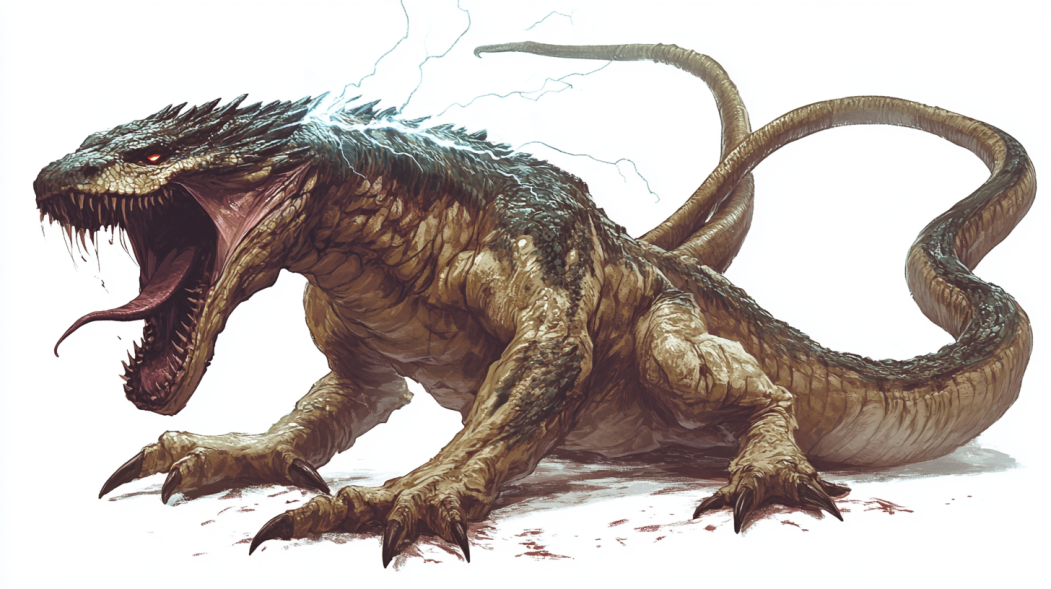
In the sprawling world of Dungeons & Dragons 5th Edition (5e), players encounter all manner of creatures, from the cunning goblins to the legendary dragons. However, there exists a creature that, while not as famous as a dragon, is just as dangerous and awe-inspiring: the Behir.
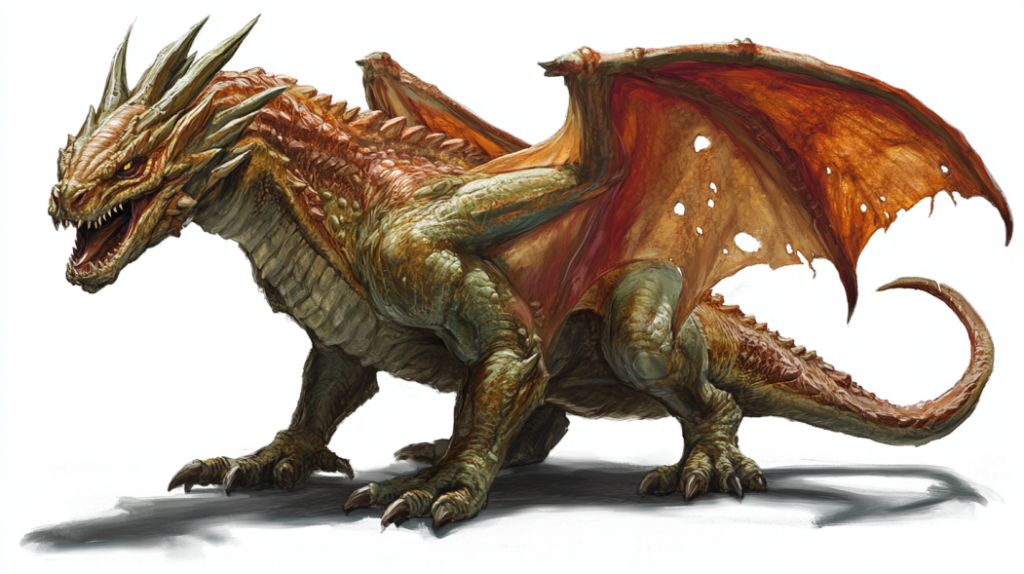
With the appearance of a giant, multi-legged serpent and the ability to shoot lightning, the Behir is a terrifying force that adventurers will remember long after their encounter.
In this guide, we’ll explore everything you need to know about the Behir in D&D 5e, from its origins to its devastating abilities, and how DMs can incorporate it into campaigns to challenge and thrill their players.
What is a Behir in D&D 5e?
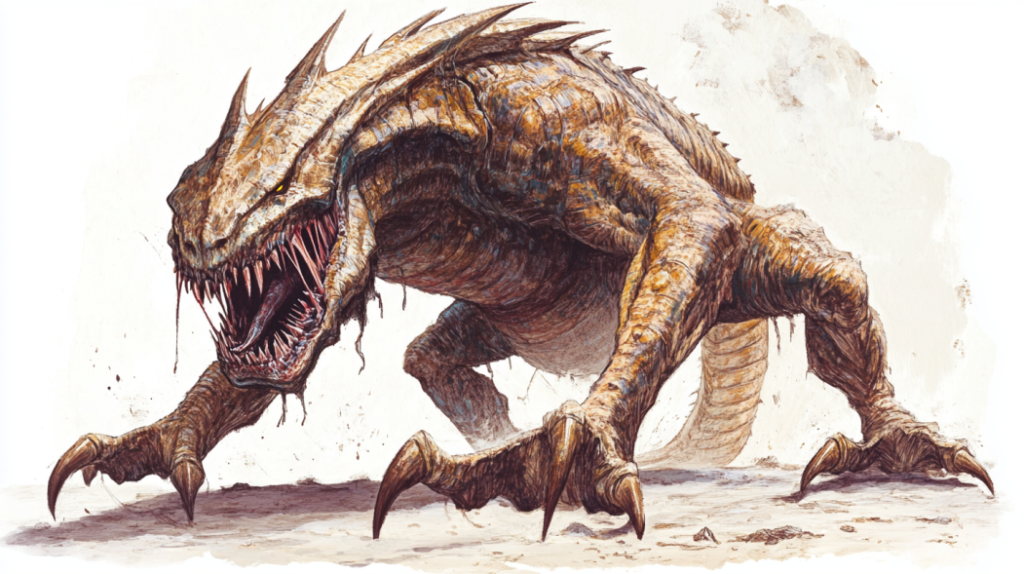
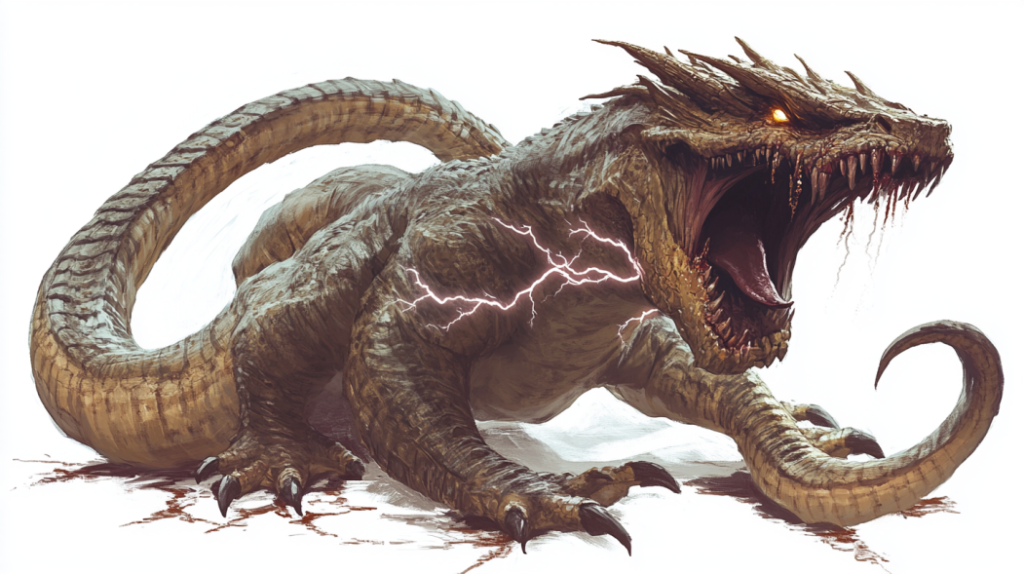
The Behir is a massive, serpentine monster with a long history in the Dungeons & Dragons universe. Resembling a cross between a dragon and a giant snake, this creature boasts twelve powerful legs, a snake-like body, and the ability to unleash devastating bolts of lightning. In the lore of D&D, Behirs are known for their deep hatred of dragons, stemming from ancient rivalries.
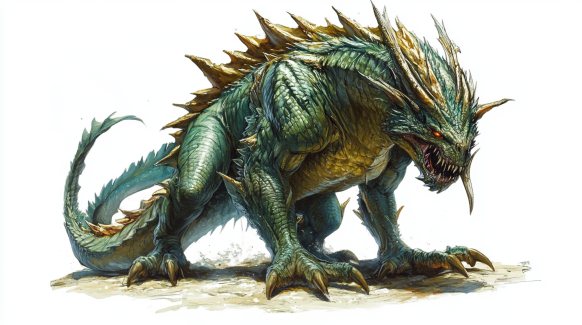
While they may not possess the same intelligence or magical abilities as dragons, they more than make up for it with their raw power, lightning breath, and ability to swallow prey whole. They are solitary creatures, often dwelling in caves or mountainous regions, and can be a terrifying surprise for adventurers who wander into their territory.
Behir Stats in 5e
Let’s take a look at the Behir’s stats, so you can understand just how formidable this creature is:
- Armor Class (AC): 17 (Natural Armor)
- Hit Points (HP): 168 (16d12 + 64)
- Speed: 50 ft., climb 40 ft.
- Strength: 23 (+6)
- Dexterity: 16 (+3)
- Constitution: 18 (+4)
- Intelligence: 7 (-2)
- Wisdom: 14 (+2)
- Charisma: 12 (+1)
- Skills: Perception +6, Stealth +7
- Damage Immunities: Lightning
- Senses: Darkvision 90 ft., Passive Perception 16
- Languages: Draconic
- Challenge Rating (CR): 11
With an Armor Class of 17 and a whopping 168 hit points, the Behir is tough to bring down. Its Strength of 23 means its physical attacks pack a serious punch, and with a speed of 50 feet and the ability to climb 40 feet, this creature is as mobile as it is deadly.
One of the most dangerous aspects of the Behir is its damage immunity to lightning, making it immune to one of the more common types of elemental damage that spellcasters might try to throw at it. Combined with its natural stealth skills (+7 to Stealth), the Behir can easily ambush a party before they even realize what hit them.
Combat Abilities of the Behir
The Behir’s combat abilities make it a terrifying opponent, capable of wiping out unprepared adventurers in a matter of rounds. Its mix of melee attacks and breath weapon ensures that both close-quarters fighters and ranged spellcasters are in for a tough fight.
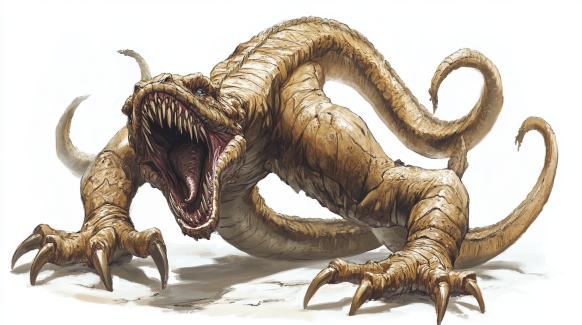
1. Bite Attack
- Melee Weapon Attack: +10 to hit, reach 10 ft., one target.
- Hit: 22 (3d10 + 6) piercing damage.
The Behir’s bite is no joke. With a +10 to hit and the ability to deal 3d10 + 6 damage, this attack alone can seriously hurt any adventurer caught in its path. The 10-foot reach makes it even more dangerous, allowing the Behir to strike enemies before they can close the distance.
2. Constrict Attack
- Melee Weapon Attack: +10 to hit, reach 5 ft., one target.
- Hit: 17 (2d10 + 6) bludgeoning damage, and the target is grappled (escape DC 16). Until this grapple ends, the target is restrained, and the Behir can’t constrict another target.
The constrict ability is where the Behir’s snake-like nature truly comes into play. This attack deals 2d10 + 6 bludgeoning damage and grapples the target, locking them in place. Once a target is grappled and restrained, it’s much easier for the Behir to follow up with its bite or prepare for an even more devastating attack.
3. Lightning Breath (Recharge 5–6)
- The Behir exhales a line of lightning that is 20 feet long and 5 feet wide. Each creature in that line must make a DC 16 Dexterity saving throw, taking 66 (12d10) lightning damage on a failed save, or half as much damage on a successful one.
Perhaps the Behir’s most iconic and devastating ability is its lightning breath. This ability recharges on a roll of 5 or 6 at the start of the Behir’s turn, and when used, it sends a line of lightning 20 feet long and 5 feet wide, dealing massive damage. A Dexterity saving throw can help mitigate the damage, but for those unlucky enough to fail the roll, the 66 points of lightning damage can outright kill lower-level characters.
4. Swallow
- The Behir makes one bite attack against a Medium or smaller target it is grappling. If the attack hits, the target is swallowed, and the grapple ends. While swallowed, the target is blinded and restrained, it has total cover against attacks and other effects outside the Behir, and it takes 21 (6d6) acid damage at the start of each of the Behir’s turns.
- If the Behir takes 30 damage or more on a single turn from a creature inside it, the Behir must succeed on a DC 14 Constitution saving throw at the end of that turn or regurgitate the creature, which falls prone in a space within 10 feet of the Behir. If the Behir dies, a swallowed creature is no longer restrained by it and can escape from the corpse by using 15 feet of movement, exiting prone.
One of the most terrifying aspects of the Behir is its ability to swallow its prey whole. This attack is reserved for Medium or smaller creatures, meaning most adventurers are at risk.
Once inside the Behir, a swallowed character takes acid damage each round and must either be rescued by their companions or hope they can deal enough damage from the inside to make the Behir spit them out. Otherwise, it’s a slow and painful death inside the belly of the beast.
Where You’ll Find Behirs in D&D 5e
Behirs are solitary creatures, preferring to avoid populated areas and other monsters. However, they are also territorial and will fiercely defend their lairs from intruders. Let’s explore some common locations where adventurers might come face-to-face with a Behir.
1. Mountain Caves
Behirs often make their homes in the high, rocky caves of mountain ranges. These locations give them an advantage, as they can use their climbing speed to traverse steep cliffs that adventurers might struggle with. They prefer caves that are hidden or difficult to reach, making their lairs perfect places for treasure or relics that have been left undisturbed for centuries.
2. Deep Forests
In some campaigns, Behirs can be found deep in ancient forests, where they prey on anything that enters their domain. These forests are often magical or cursed, and the Behir may act as a guardian or apex predator of the area. Adventurers entering such forests must be on the lookout for the serpent’s ambush tactics, as its Stealth skills allow it to strike from the shadows.
3. Underground Dungeons
For DMs looking to add a twist, Behirs can be placed in underground ruins or forgotten dungeons. While they usually prefer the open space of mountain caves, a Behir could have made its home in a massive underground cavern, particularly if that area was once the lair of a dragon it defeated or drove off. The winding tunnels of a dungeon make for perfect ambush spots.
Creative Ways to Use Behirs in Your Campaign
While Behirs are naturally fearsome creatures, DMs can get creative with how they introduce them into a campaign. Let’s look at some fun and unique ways to use Behirs that go beyond a simple encounter.
1. The Rival of Dragons
Since Behirs have a deep hatred for dragons, you can craft an entire campaign or side quest around this rivalry. Perhaps a Behir is terrorizing a region after driving out a dragon that once ruled there. The adventurers may need to seek out the Behir’s lair to retrieve an artifact left behind by the dragon, or they may be hired by villagers to stop the Behir’s rampage after it claimed the territory for itself.
2. The Lightning Beast
In regions plagued by storms, the Behir can become a sort of mythical creature that the locals believe controls the weather. This could lead to interesting side quests where the adventurers must confront the Behir to stop a series of deadly lightning storms, only to discover that the Behir is absorbing the storm’s power to grow stronger.
3. Ambush Predators
Since Behirs are excellent at ambushes, DMs can set up scenarios where the adventurers are caught off-guard. Maybe the players are climbing a mountain, and as they cross a narrow ledge, the Behir strikes, knocking players off balance and forcing them to deal with the creature on its own turf.
Behir Variants: Customizing Your Monster
While the Behir is already a powerful creature, DMs can modify it to fit their campaigns better. Here are a few ideas for creating Behir variants:

1. Frost Behir
A Frost Behir could live in frozen wastelands, replacing its lightning breath with a cold breath attack. Its skin might be covered in icy scales, granting it resistance to cold damage, and it could deal extra cold damage with its bite or constrict attacks.
2. Ancient Behir
For higher-level campaigns, an Ancient Behir could be a colossal version of the standard creature, with increased hit points, legendary actions, and perhaps even lair actions. This would make the Behir a terrifying boss fight for adventurers looking to challenge a true titan.
3. Spellcasting Behir
A Spellcasting Behir might have gained magical abilities from exposure to a powerful artifact or ancient magic. It could cast spells like Lightning Bolt, Thunderwave, or even Counterspell, giving it more versatility in combat and making it an even more unpredictable opponent.
Conclusion: Beware the Behir!
The Behir is more than just a footnote in the Dungeons & Dragons monster manual. With its deadly combination of physical power, lightning breath, and the ability to swallow adventurers whole, it’s a formidable opponent that can challenge even experienced players.
Whether it’s lurking in a mountain cave or waiting to ambush its prey in a forest, the Behir is a force of nature that should never be underestimated.
So, next time you’re looking to spice up your campaign or throw a curveball at your players, consider unleashing the Behir. Just don’t be surprised if your adventurers start to fear thunderstorms after their encounter with this thunderous serpent!
FAQs About Behir 5e
1. How powerful is a Behir in D&D 5e?
With a Challenge Rating of 11, the Behir is a formidable opponent for mid- to high-level parties. Its lightning breath and powerful melee attacks can deal serious damage, especially to unprepared adventurers.
2. Can a Behir be tamed or befriended?
Behirs are highly territorial and solitary creatures, so taming or befriending one would be an enormous challenge. However, creative players might find a way to temporarily avoid conflict, such as using spells like Speak with Animals or Animal Friendship (though it would likely resist).
3. What type of damage does a Behir deal?
A Behir deals piercing damage with its bite, bludgeoning damage with its constrict attack, and lightning damage with its breath weapon. It also has the ability to swallow creatures, dealing acid damage while they are inside.
4. Where do Behirs typically live?
Behirs are often found in mountain caves, but they can also be found in forests and underground dungeons. They prefer isolated, hard-to-reach areas where they can hunt and remain undisturbed.
5. Can a Behir defeat a dragon?
While Behirs hate dragons, they would typically avoid direct confrontation with an adult or older dragon. However, a Behir might be able to defeat a young dragon or a weaker dragon in a well-timed ambush. Their rivalry stems from territorial disputes, and in the lore, they are known to avoid large dragon lairs.