
Best Greataxe 5e: Stats, Builds, and Strategies for Dungeons & Dragons Players

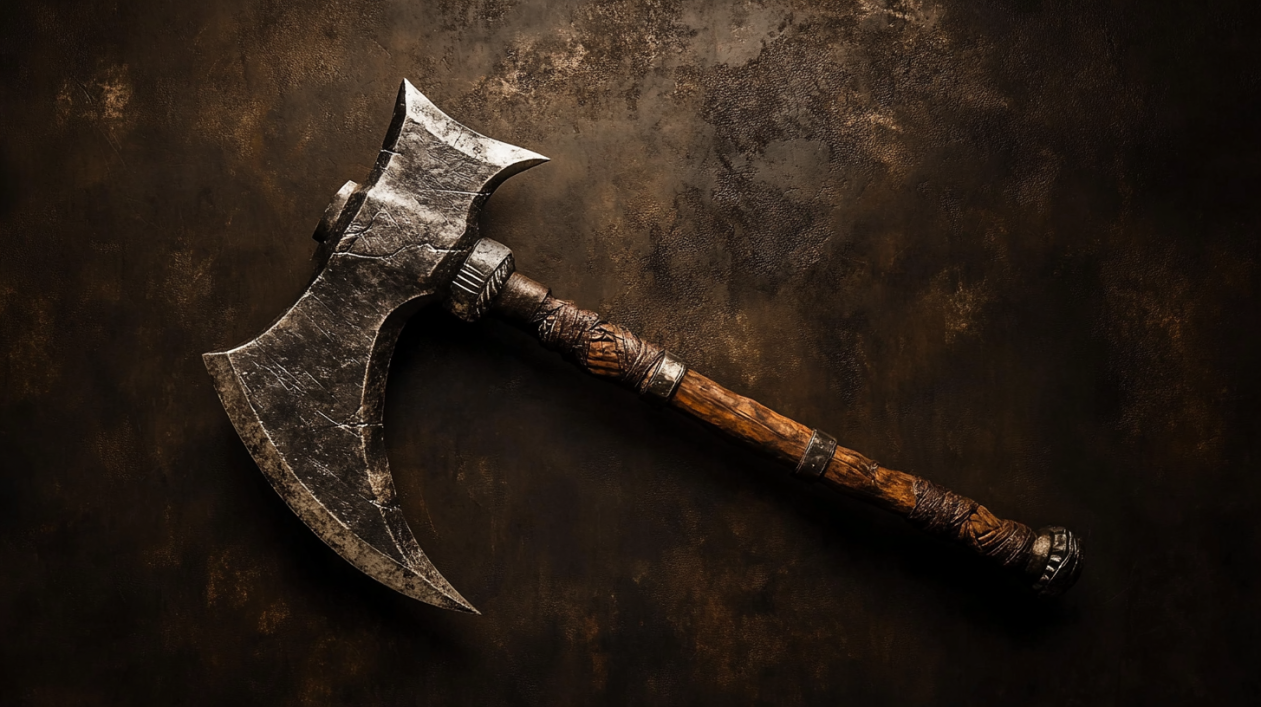
The Greataxe 5e is a formidable weapon for two-handed characters who yearn to deal high damage. Its usefulness lies in its potential for inflicting 1d12 slashing damage, making it a preferred choice for Barbarians and Half-Orcs.
But, there’s more than just brute strength — mastering the nuances of proficiency bonuses can significantly enhance your combat prowess. The mystery lies not only in wielding the axe, but also in understanding its intricacies. It’s time now to delve into the secrets of this powerful weapon.
The greataxe in D&D 5e offers high damage potential with its 1d12 slashing damage. It is favored by classes like Barbarians and Half-Orcs for its ability to deliver substantial single-hit damage, especially when maximizing critical hits or utilizing features such as Great Weapon Fighting Style. Additionally, some players may prefer the aesthetic appeal of wielding a powerful greataxe in their adventures.
Greataxe 5e Attributes in D&D
The greataxe is an iconic weapon in Dungeons & Dragons 5e, known for its raw power and formidable slashing capabilities. When wielded, characters can unleash a heavy blow, dealing 1d12 slashing damage. This makes it a potent choice for players who seek to maximize their damage output in combat scenarios.
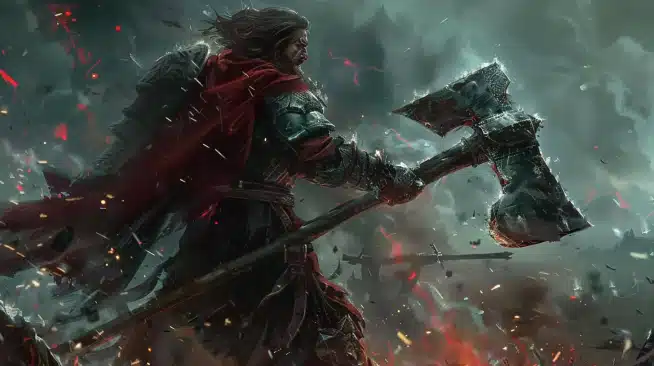
Furthermore, the greataxe also possesses the “heavy” and “two-handed” properties. The “heavy” property imposes a disadvantage on attack rolls if the wielder is small, reflecting the sheer weight and force required to wield this massive weapon. Additionally, the “two-handed” property necessitates that the wielder has both hands free to use it effectively, further emphasizing its unwieldy nature.
These attributes make the greataxe a weapon of choice for characters such as Barbarians and Half-Orcs, who benefit from its high damage potential and possess the strength required to handle such a hefty weapon with ease.
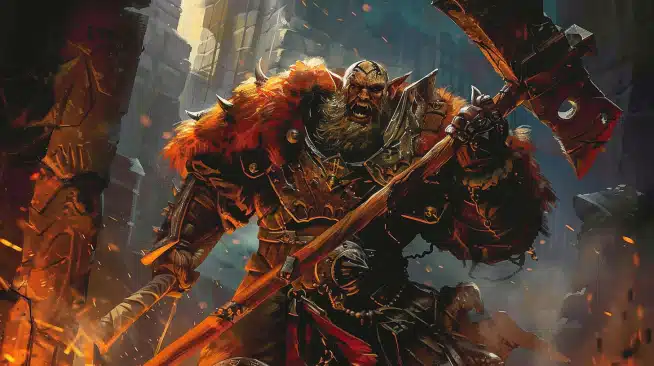
For instance, envision a towering Half-Orc charging into battle, wielding a greataxe with unparalleled ferocity, each swing delivering devastating blows to their enemies. This vividly illustrates the raw power and impact associated with this formidable weapon.
This sets the greataxe apart as a symbol of brute force and uncompromising strength within Dungeons & Dragons 5e, making it an ideal choice for characters who thrive on dominating the battlefield with sheer might.
As characters harness the immense power of the greataxe, they must navigate their proficiency and bonuses to make every swing count. Let’s delve deeper into optimizing the use of this mighty weapon in combat.
Navigating Proficiency and Bonuses with Greataxe
When it comes to wielding a greataxe in combat, proficiency and bonuses make a world of difference in how effective a character is. First off, proficiency with the greataxe lets you add your proficiency bonus to attack rolls. This means that if you’re trained in using this two-handed weapon, you’re more likely to hit your target than someone who isn’t trained in its use.
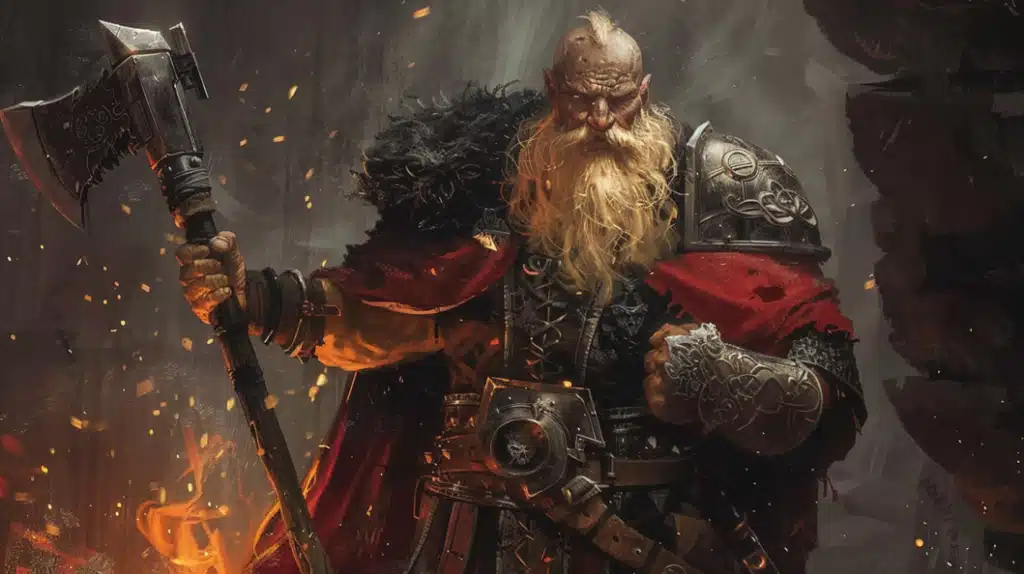
Expanding on this bonus mechanic, it essentially represents the character’s expertise in using the greataxe effectively. Just like an experienced archer would have a greater likelihood of hitting a target with a bow and arrow, a proficient greataxe user similarly has an edge in combat encounters when wielding this heavy, brutal weapon.
The strength modifier also plays a crucial role here, impacting both attack and damage rolls when using the greataxe. Every character’s strength modifier differs, ranging from -5 to +5, directly influencing their capability in combat situations. The interplay between proficiency bonus and strength modifier is an essential factor that can significantly elevate a character’s combat prowess when employing the greataxe.
Let’s imagine this scenario: You have two characters facing the same foe with identical stats except for their proficiency with the greataxe. The proficient character would have a notable advantage due to their increased likelihood of landing successful strikes as well as inflicting more substantial damage per blow, thanks to their knowledge of how best to handle the weight and balance of this massive weapon.
Calculating Attack Rolls with Proficiency and Strength Modifier
Here’s a quick breakdown:
- To calculate your attack roll: Roll a 20-sided die (known as a d20) and add your proficiency bonus (if proficient with the weapon) and your character’s strength modifier.
- Adding your proficiency bonus simply attests to your character’s sharpened skill in using the greataxe effectively.
- Incorporating your strength modifier signifies your character’s physical might and ability to swing the greataxe for maximum impact on foes.
So, understanding how these bonuses apply to wielders of the greataxe is crucial in maximizing combat effectiveness and realizing the full potential of this fearsome melee weapon.
By comprehending these intricacies of attack rolls with proficiency and strength modifiers, players can strategically leverage their characters’ capabilities in battle by wielding the greataxe with unmatched precision and force, turning potentially dire situations into decisive victories.
Customizing Your Greataxe for Impact
When it comes to Dungeons & Dragons, the beauty lies in the details, especially when it concerns the customization of your trusty greataxe. This two-handed martial melee weapon can truly shine when tailored to suit your specific needs and playstyle. From a simple enchantment to beefing up your physical strength, there are several ways to wield this powerful weapon with unparalleled finesse.
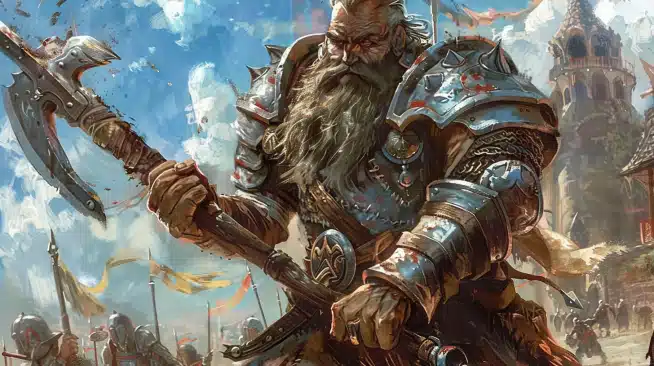
Let’s start with enchanting your greataxe. It’s like giving your trusty weapon a magical boost that can make the difference between a good hit and a devastating blow. Imagine infusing your greataxe with elemental damage such as fire or lightning, creating an aura of fear around it, enabling it to strike true and leave a lasting impression. Enchanting your greataxe opens up a world of possibilities and adds a layer of strategy to your every swing.
Some enchanted weapons have been woven into intricate storylines, making them unique and incredibly valuable resources that beckon to players who wish to seek both power and lore alike. These properties serve not only as tools but also as catalysts for creativity within the realms of Dungeons & Dragons.
Strength Improvement
Another vital method for customizing your greataxe is through strength improvement. As straightforward as it sounds, increasing your character’s strength attribute directly impacts the damage output when using the greataxe. The more strength behind each swing, the more devastating each impact becomes. It’s definitely something to consider for players who wish to maximize their character’s potential on the battlefield.
Picture this – a hulking Barbarian wielding a greataxe with unparalleled might, every fiber of their being dedicated to each mighty swing that cleaves through enemies with unfaltering force. The synergy between strength improvement and wielding a greataxe is not just about game mechanics; it’s about embodying the essence of brute strength and sheer power within the game.
Strengthening one’s character attribute also serves as an expressive means for players seeking to bring out individual nuances and dynamics within their characters.
By combining these two customization techniques, players can ensure that their greataxe is not only a tool for destruction but also a defining embodiment of their character’s prowess and influence on the game.
In seeking to uncover the most opportune moments for unleashing the full potential of the greataxe, players unveil pivotal insights into strategic combat within Dungeons & Dragons.
Strategic Moments for Greataxe Use
Knowing when and how to use a greataxe at just the right moment can make all the difference in your D&D battles. The first thing to consider is the greataxe’s potential for landing critical hits.
Capitalizing on Critical Hits
The greataxe comes with a high damage die, which means that when you land a critical hit, you have the opportunity to deal an immense amount of damage in just one strike. This makes it vital for players to gravitate towards enhancing their chances of scoring these critical hits.
Utilize beneficial spells or features that can improve your chances of landing critical hits. For example, the Barbarian class feature “Brutal Critical” allows you to roll an additional damage die when you score a critical hit with a melee weapon such as the greataxe. Additionally, taking levels in the Champion subclass of the Fighter grants an increased chance to critically hit.
Facing Heavily Armored Foes
When facing heavily armored foes with high armor classes, using a greataxe becomes advantageous due to its ability to deal substantial damage in one powerful strike. Trying to land multiple smaller hits might not be as effective against these opponents due to their high defenses. In such scenarios, the sheer force behind a single cleaving blow from a greataxe can bypass the opponent’s defenses and deliver heavier blows than other weapons.
It’s important for players to assess what types of enemies they’re likely to encounter before deciding whether a greataxe is the best weapon for the situation.
For instance, facing off against a mighty metallic dragon whose scales provide hefty protection against your attacks, favoring a greataxe over smaller weapons will give you a higher chance of inflicting significant damage with each swing.
Understanding how your choice of weapon interacts with critical hit potential and enemy defenses is key in making informed decisions during combat encounters.
It’s important to remember that in D&D, adaptability is crucial, so while the greataxe may shine in certain situations, it’s equally vital to have backup plans and strategies that will serve your character in various combat scenarios.
To fully understand the comparative advantages and disadvantages of different D&D weapons, let’s explore how the greataxe stacks up against its counterparts in various combat scenarios.
Comparing the Greataxe to Other D&D Weapons
When it comes to selecting a weapon in Dungeons & Dragons, it’s not just about what looks cool, but also about how it fits into your playstyle and character build. Let’s compare two popular choices – the greataxe and the greatsword.
The greatsword has a higher floor damage, with a minimum of 2 due to two six-sided dice, while the greataxe rolls only one twelve-sided die and thus could potentially roll a 1. However, regarding potential damage, the greataxe has a higher likelihood of rolling big numbers such as 11 or 12. This gives players who prefer high risk, high reward playstyles more opportunities to deal massive damage than those who stick with the greatsword.
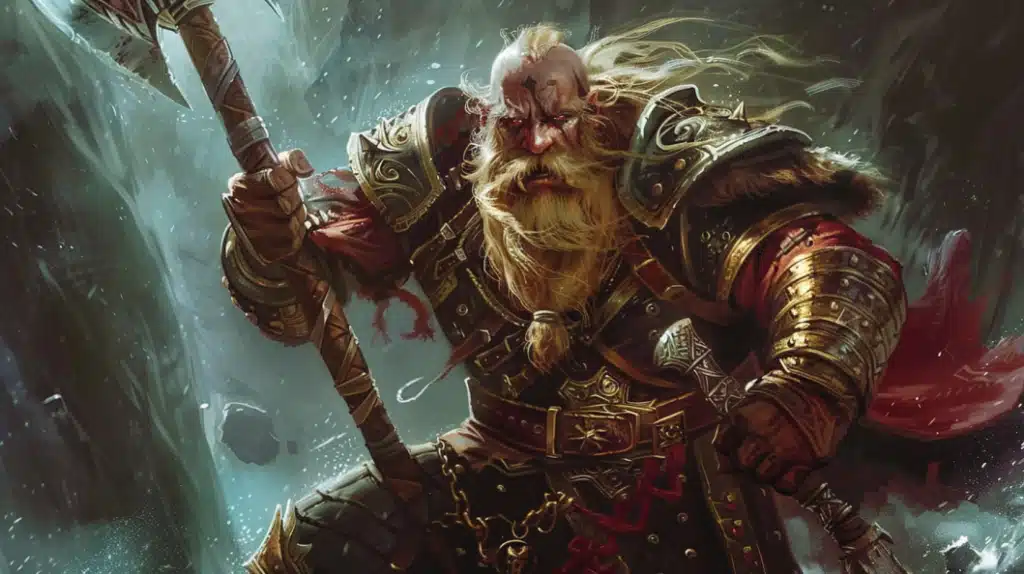
Additionally, characters with the Great Weapon Fighting Style can reroll 1s or 2s when using a greataxe, slightly increasing its average damage output over time. This can be an appealing prospect for players who enjoy maximizing their critical damage potential.
This extends beyond raw statistics: some players might simply find the greataxe cooler and more thematically fitting for their characters. This preference can stem from a desire to stand out visually on the battlefield or could be based on personal storytelling choices that each player makes.
For instance, a half-orc barbarian at level 9 benefits from using a greataxe over a greatsword thanks to their Brutal Critical class feature which lets them add an additional damage die when scoring critical hits. This designates the greataxe as a stronger option due to its 1d12 being superior to the greatsword’s 1d6 in this specific scenario.
The ongoing debate concerning risk aversion versus gambling when choosing between a more consistent damage output with a greatsword versus the potential for higher highs and lower lows with a greataxe is quite interesting when you consider optimization preferences among players. Some prioritize playing well within known limits while others believe in taking calculated risks for potentially greater payoffs.
In understanding these distinctions between weapons, players are armed with valuable knowledge allowing them to make informed decisions based on their preferred playstyle and character build in Dungeons & Dragons.
With this comprehensive understanding of the benefits and intricacies of using the greataxe or greatsword in D&D 5e, we’re now poised to explore how different character builds can best leverage the strengths of the greataxe.
Successful Builds with the Greataxe in D&D 5e
The beauty of Dungeons & Dragons lies in its flexibility and creative freedom, allowing players to craft characters that suit their playstyle. When it comes to building a character around the use of a Greataxe, there are several strategies to make the most out of this formidable weapon.
Let’s explore two popular build approaches that can enhance your combat prowess and make wielding a Greataxe an exhilarating experience.
Dual-Wielding Builds
For those who revel in the thrill of dual-wielding, mastering the art of wielding two Greataxes simultaneously can be an alluring prospect. This build allows for increasing the damage potential in combat situations.
When employing this style, consider incorporating the Two-Weapon Fighting style to enable you to add your ability modifier to the damage of the second attack. Additionally, certain character classes such as the Fighter or Barbarian offer features that complement dual-wielding abilities, such as Extra Attack or the ability to enter a rage that enhances combat abilities.
Critical Hit Maximization
Another approach involves building characters with a keen focus on maximizing critical hit damage, thereby significantly boosting the Greataxe’s effectiveness in battle. This strategy aligns well with abilities and feats that enhance critical hits.
By taking advantage of features such as Brutal Critical for Barbarians or Improved Critical for certain subclasses, you can increase your likelihood of landing critical hits with your Greataxe. Combine this with features like Savage Attacks for Half-Orcs, which allows additional weapon damage on a critical hit, and you can transform your Greataxe swings into devastating blows that shatter your foes.
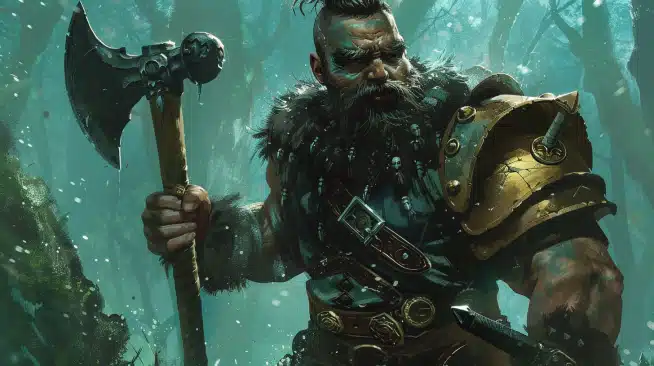
With these different builds, it’s evident that there are various paths to harnessing the full potential of the Greataxe in combat. Whether it’s through dual-wielding or maximizing critical hit damage, these strategies can elevate your experience as a player and create exciting opportunities within your D&D adventures.
Mastering the art of wielding a Greataxe in Dungeons & Dragons opens up a world of possibilities for creating dynamic and engaging characters that can leave a lasting mark on any adventure. Good luck on your quest!
The Verdict
So, you’ve decided to unleash the fury of a half-orc barbarian wielding a mighty greataxe in your next D&D campaign! This guide has equipped you with the knowledge to make informed choices about your character’s stats, greataxe options, and combat strategies.

Remember, the “best” greataxe and approach depend on your specific character build and playstyle. Do you prioritize raw damage output, critical hits, or battlefield control? Consider your party composition and the challenges you anticipate facing.
Ultimately, the most important aspect is to have fun and embrace the berserker spirit of your half-orc barbarian. So grab your greataxe, unleash your inner rage, and carve your path through the battlefield!