
Change Into a Hero of the Wild with Guardian of Nature!


Introduction
Every campaign has a moment when the druid/ranger player asks, “Can I finally feel like the wilderness’s chosen champion?” Guardian of Nature is the part of the rulebook that says, “Go for it!” when it comes to being a force for good.
Think about a special magic that lets you do something extra in your turn. You pick if you want to be like a wild predator or an ancient tree.
This magic gives you better chances to hit, extra damage, some extra health points, and, in Great Tree mode, a 15-foot sticky zone that slows down your enemies (while you move freely).
It’s like putting on a superhero costume that makes you strong and fast! If you already have other powers, this one adds on top of them for more strength.
You have to concentrate to keep the magic going, but it also helps you stay focused when you feel nervous.
In this blog, we’ll show how nature spellcasters get their moment to shine, like heroes wearing leafy capes, stepping up to star in an epic adventure.
1) What does this spell actually do?
Let’s keep it easy. This spell gives you two different ways to boost your character for about a minute. I’ll explain what each choice means so you know when to use it.
You know those fights where everything gets noisy and you wish nature would jump in for a minute and carry you. That is Guardian of Nature. It is a 4th-level spell you cast as a bonus action. It lasts up to one minute if you keep your concentration.
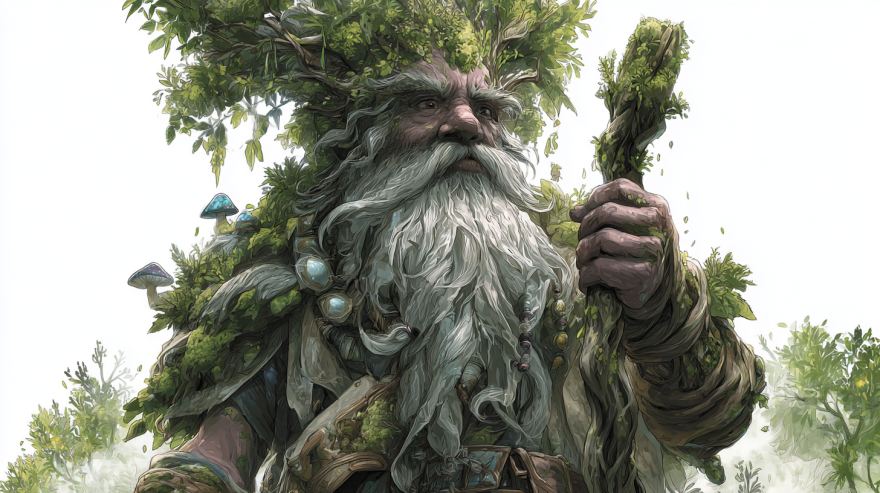
For ten turns, you choose one of two forms and become the upgraded version of yourself that makes your friends cheer and your enemies rethink their life choices.
Press the button, and nature will say yes, and you will pick your mode. Primal Beast is your fast and feral mode.
Great Tree is your sturdy and wise mode. Both are simple to use. You do not need to juggle five effects. You get clear benefits you can feel immediately, like more speed, better accuracy, more damage, or zone control around you.
Two things matter. First, concentration. You cannot keep both if you already have a concentration spell running, like Hunter’s Mark. Pick the one that serves this fight. Second, the spell lasts only a minute, which is perfect for most combats.
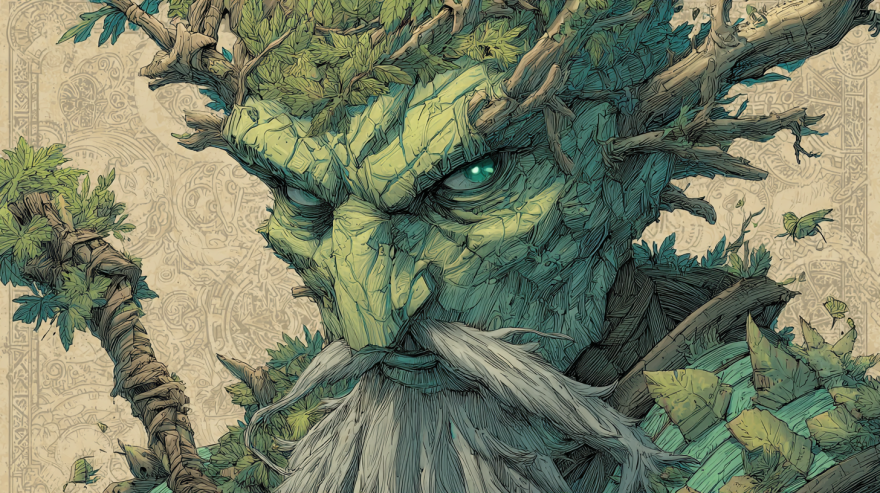
Do not waste it on travel or a pre-fight flex that never becomes a fight. Hit the button when the battle starts or before slamming into the enemy line.
Why will your group love you for using it? The effects are visible and easy to track. You look different, you act differently, and your turn becomes faster because your choices are obvious.
This speeds up play and keeps the table energy high. Good table energy means more laughs and better stories later.
The bottom line is that it is a one-minute power-up, has bonus action to cast, has two flavours to choose from, and requires concentration.
Use it when you want to run hot or stand tall. That is the whole idea.
2) Primal Beast, your go loud button
If you want to get in close and hit hard, this is the way to go. It’s about moving faster, hitting better, and doing more damage. This mode is for players who hear roll initiative and start smiling. You get faster by 10 feet.
You can see in the dark out to 120 feet. Your Strength-based attack rolls have advantage. Your melee weapon attacks deal an extra 1d6 force damage on a hit. That last part is the spicy topping.
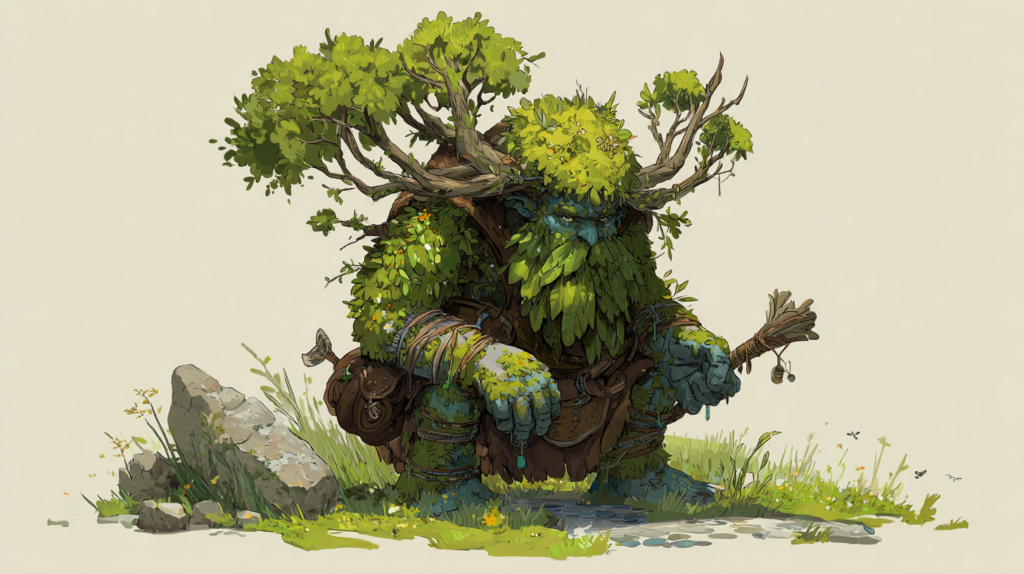
Each hit gets the extra die, so if you swing twice and hit twice, you roll that force die twice. Yes, the audience laughs, you just became the nature-flavoured blender.
How does this feel at the table? You close gaps with that extra 10 feet and do not care if the lights go out. Your accuracy jumps if you fight with strength, since advantage gives you a second roll.
Your damage bumps up cleanly and does not slow your turn. You swing, hit, add the extra die, and move on. No mental gymnastics.
Who loves this? Strength rangers with big weapons, Moon druids who like to live in melee, and any bruiser who wants reliable hits without much setup. If your style is simple, plan, significant results, this is your candy shop.
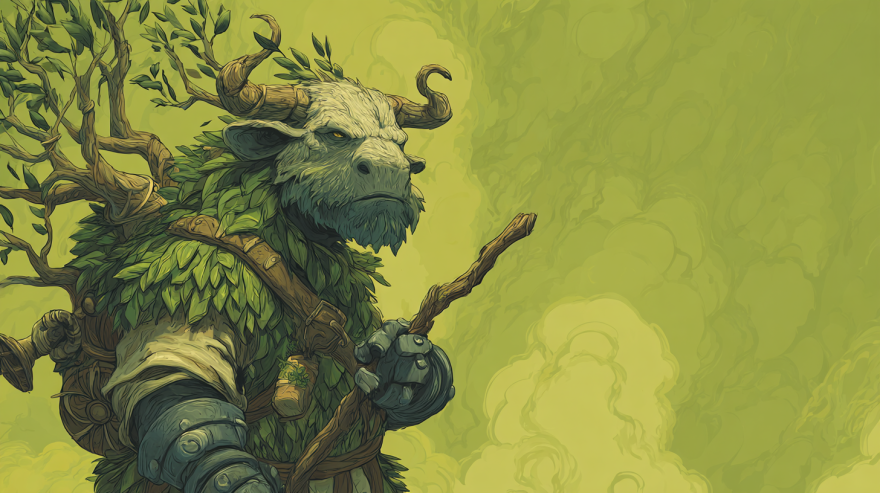
Rules tip that saves arguments. The bonus damage applies to melee weapon attacks. Most natural attacks in beast stat blocks are written as melee weapon attacks, so you are usually fine. If you are doing something odd, ask your DM once, then keep the turn moving.
With a friendly tone and fast play, everyone wins.
When to pick it without thinking too hard. Low light fights, cramped maps, targets with high Armor Class, chases, or any moment where the party needs a hammer right now. Primal Beast is your yes button if you like turning a slow fight into a highlight reel.
3) Great Tree, your I cannot be moved mode
This one’s more about holding your ground and controlling the battlefield. It helps you survive and makes it harder for enemies to get past you. This mode is for players who enjoy the slow clap.
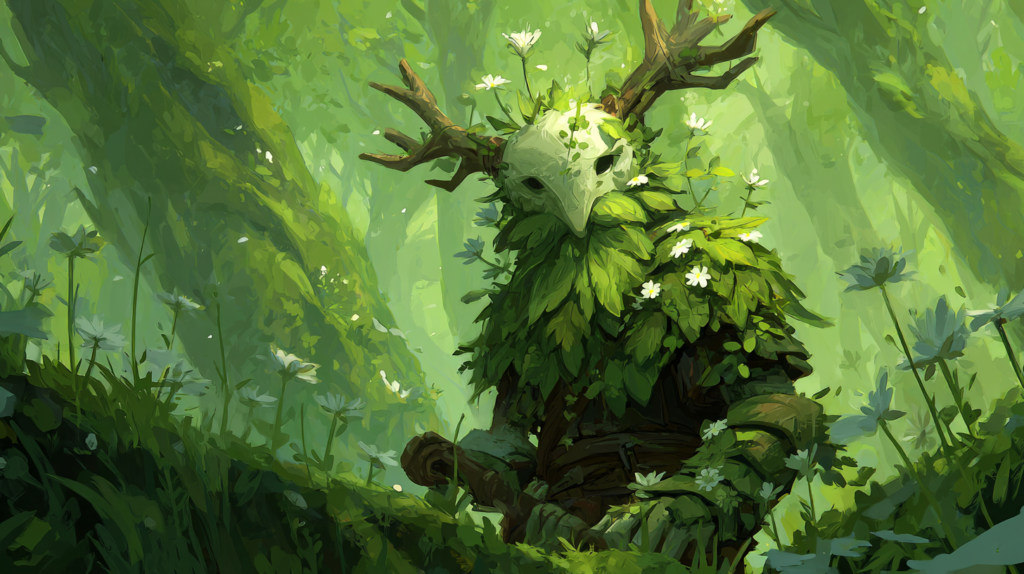
You grow calm, the air feels heavy, and enemies suddenly walk like they stepped in syrup. You gain 10 temporary hit points. You get an advantage on Constitution saving throws.
You also get an advantage on attack rolls that use Dexterity and those that use Wisdom. Enemies within 15 feet of you treat the ground as rugged terrain, but only while on the ground, so do not float if you want the slow zone to work.
How does this play at the table? You shrug off minor hits, and you hold on to concentration better. Your archery or Wisdom-based attack casting becomes smoother because advantage means more hits.
The 15-foot slow zone around you messes with enemy plans. They need more movement to reach you or run away, making your team feel safer. You do not need to shout. The map and the movement costs speak for themselves.
Who likes this a lot? Archery rangers who want cleaner shots. Druids who use Wisdom-based attack rolls, including shillelagh builds that key off Wisdom. Anyone who wants to anchor a doorway, a bridge, a staircase, or a narrow path.

If your group likes setting up chokepoints, this mode gives you the sign that says enter here at your own risk.
Small table tip. The difficult terrain only affects enemies. Your party walks fine. That means you can be the rock while your friends dance around you. Enemies look like they are trying to run through knee-deep custard. Yes, gross, but the picture sticks, and you will remember the rule.
When to pick it fast. You plan to hold space, want better odds on Dex or Wis-based attacks, or expect a fight that pushes your concentration with incoming effects. If that sounds like the scene, go Tree and smile like a forest guardian on a coffee break.
4) Primal Beast or Great Tree, the fast chooser’s guide
Sometimes it’s tough to pick which form to use. Here’s a quick way to figure out which fits your style and the situation, without overthinking it. Build yourself a tiny mental flowchart.
Ask two questions. One, am I about to swing in melee using strength? Two, do I want to control the ground near me while I land Dexterity or Wisdom-based attacks? If the first answer is yes, go Primal Beast.

If the second answer is yes, go to the Great Tree. If both sound good, pick the one that excites you to roll the dice right now, since energy at the table often does more than a slight numbers edge.
Where Primal Beast shines. Dark caves, narrow corridors, enemies that love to kite you, and fights where missing sucks. Advantage on Strength-based attacks means you land more hits, and more hits means that extra force damage matters.
The speed bump helps you stick to targets and avoid the classic one square short problem. If you like simple choices that feel powerful, this is your lane.
Where the Great Tree feels perfect. Doorways, bridges, choke points, and boss rooms are where you plan to stand your ground. The 10 temporary hit points give you a small safety mat.
The advantage of the Constitution saves helps you keep your spell going. Advantage on Dex and Wis-based attacks is exactly what archery rangers and many druids want. The slow zone drains enemy movement and can break formations, making your team look smarter without extra speeches.

Roleplay flavour without slowing the turn. One quick line is enough. For Primal Beast, try a low growl or a grin that says time to hunt. For Great Tree, plant your feet and let your voice drop when you speak.
Keep it short, then roll. Your friends came to play a game, not to sit through a long nature film. If someone laughs, great. If nobody laughs, also great. The dice will do the talking.
Simple rule of thumb. If the team needs a hammer, be the Beast. If the team needs a wall, be the Tree. If the team needs both and you only have one, pick the one that helps the plan. Do not stall. Fast choices make better stories.
5) Team combos that make this spell sing
This spell works best when your team supports you. We’ll talk about how your friends can help you get the most out of it. Guardian of Nature is not a solo act. It is a lead vocalist who sounds best with a solid band.
If you are running Primal Beast, look around the table and spot who can set you up for big turns. The cleric who throws Bless. The druid friend who drops Faerie Fire. The wizard who says, What if the ceiling were bees, and covers the map with crowd control.
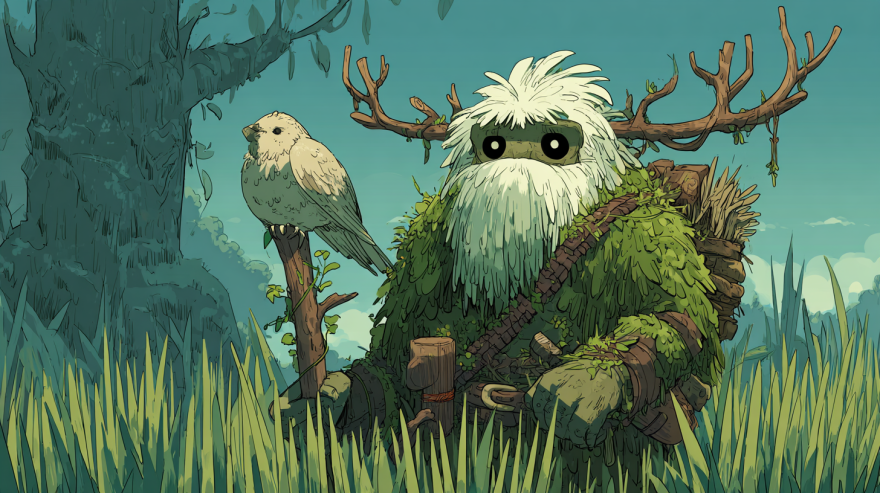
You already have an advantage in Strength-based attacks, so you do not need help to land hits. What you need is positioning and targets that are worth your time. Ask your barbarian buddy to body block a hallway so you can sprint around the side and pick the most significant threat.
Teamwork turns your extra force damage into a steady drumbeat.
Great Tree is the opposite vibe. You are not chasing anyone. You are inviting them to come say hello.
Tell your rogue to stand behind me and poke anything that gets stuck. Tell your paladin to hold this doorway with me and enjoy the parade of slow enemies. Your 15-foot sticky zone forces bad guys to spend movement like they are paying a toll. This is how you make a map work for you.
Put your tree bubble at a choke point, then let your party rotate, throwing attacks in and out of the ring. It looks like a tiny gladiator arena, but with leaves.
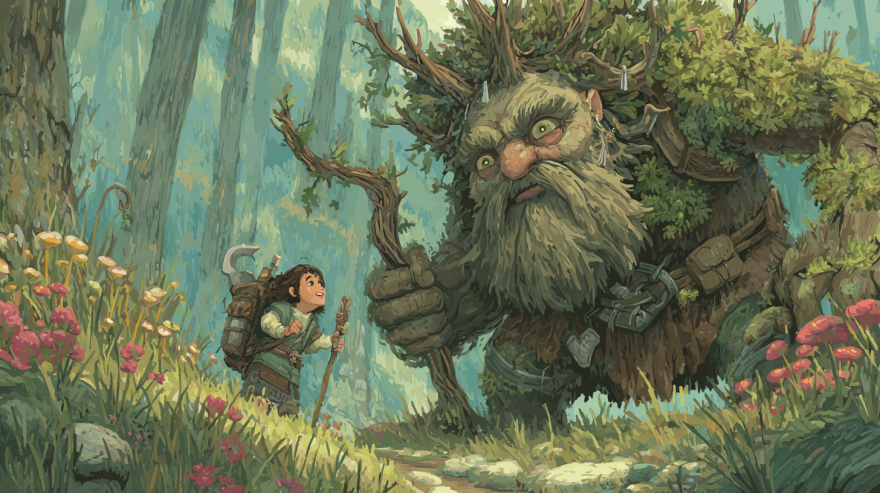
Now for the fun part. Callouts and timing. As Primal Beast says, I am diving the archers, covering me for one round. Your support players hear that and line up heals or protection.
As Great Tree, say, drag them into my circle, and I will make them hate walking. Your melee friends hear that and start herding. This table talk makes you feel like a coach and raises your win rate.
Also, it makes the DM laugh politely while secretly planning the next fight.
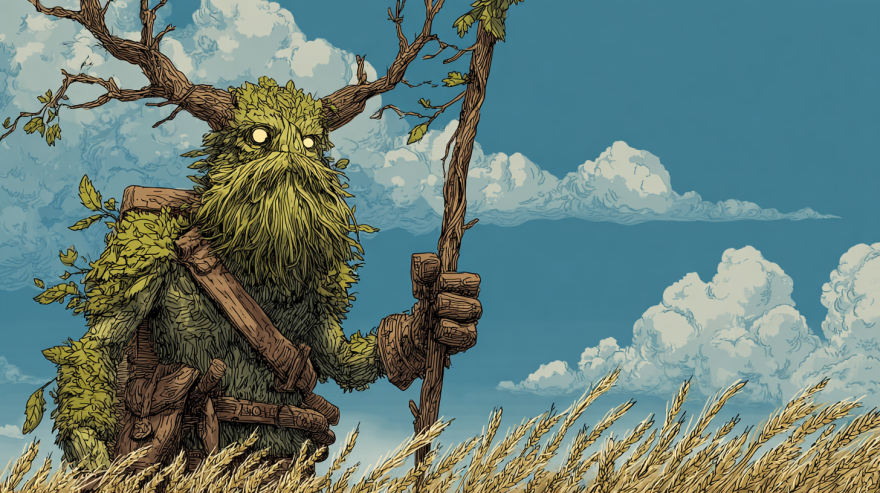
Do not forget concentration coverage. Great Tree gives you an advantage on Constitution saves, which helps you keep this spell up while the enemy throws junk at you. You are the anchor.
Ask your team to peel enemies off you if three or more get sticky. You do not need to be a hero while being a tree. You need to be present, calm, and slightly annoying. That is the brand.
Finally, bring jokes. Say things like, Welcome to Tree Zone, please watch your step. Or, Beast Mode activated, refunds not available. These tiny lines keep the mood light and make the rules memorable.
Your group will learn faster and play faster when everyone is smiling.
6) Mistakes people make and how to fix them
Even experienced players mess this up. I’ll cover common mistakes and how to avoid them so you don’t waste your turns.
Mistake one. Casting too early. You pop the spell while walking down a hallway because it felt cool. Then no fight shows up for eight rounds, and you stand there glowing like a friendly lantern.
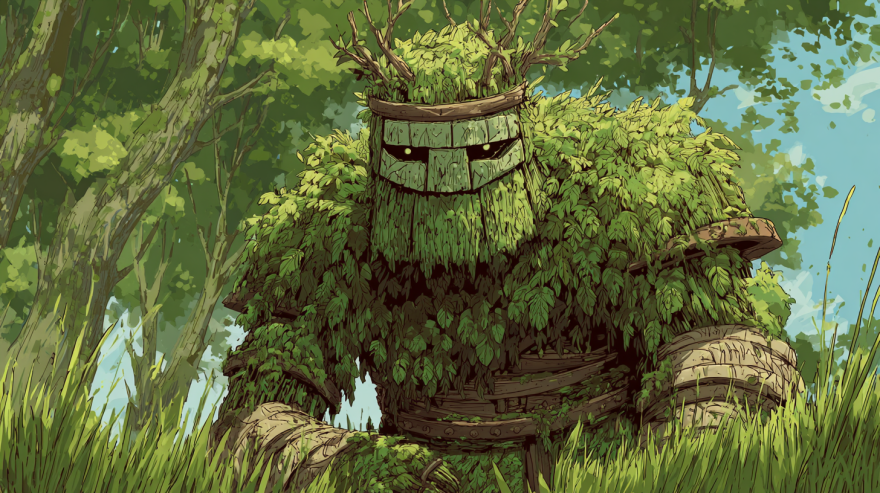
Fix. Hold the cast until you see targets or hear the DM take a more extended breath than usual. You can cast as a bonus action. You are not slow. Wait for contact, then hit go.
Mistake two. Forgetting concentration. You try to run Guardian of Nature and Hunter’s Mark simultaneously.
The table gives you the face. Fix. Decide what you want this minute. If you need mobility, accuracy, and extra damage on each melee weapon hit, that is Primal Beast.
If you wish to temp HP, better Con saves, better Dex and Wis attacks, and a sticky circle, that is Great Tree. Pick one. Be proud.
Mistake three. Ignoring the 15-foot radius and the ground rule on Great Tree. You climb a rock and ask why the slow zone is not working. Fix.
The zone works when you are on the ground, reaching 15 feet from you. Think of it like a puddle of thick sap under your boots. Plant your feet. Own the space.
Mistake four. Building the wrong theme. A Dex-based melee ranger picks Primal Beast and wonders why advantage is not helping their scimitar. Fix. Use Great Tree to take advantage of Dex-based attacks, which include bows and finesse builds.
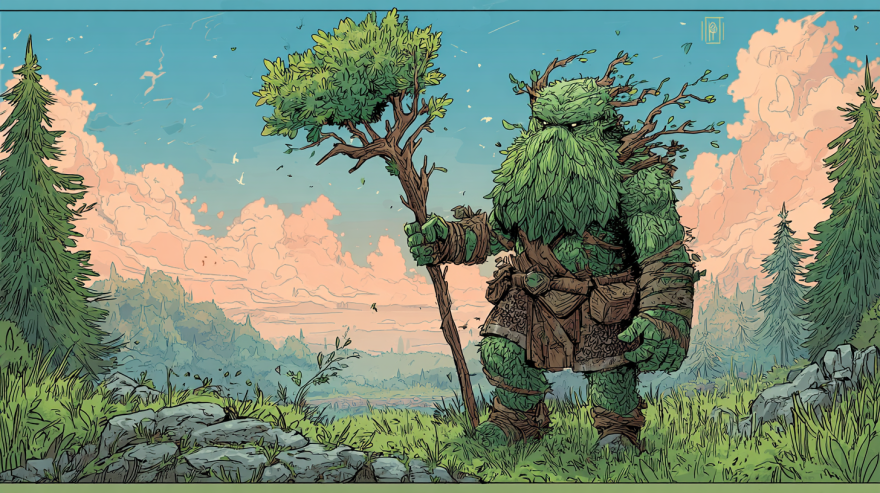
Save Primal Beast for characters who swing with strength. You will feel the difference right away.
Mistake five. Overstaying your welcome. As Primal Beast, you sprint deep and discover you cannot survive three enemies alone. Fix. Trust your speed and get out when the turn tempo changes.
You are fast for a reason. Hit, move, live. Meanwhile, as Great Tree, you stand in the middle of an expansive room, and the enemy walks around your bubble like polite shoppers.
Fix. Move your tree feet to a choke point or force them to path through you. Do not be a slow sign in the wrong lane.

Mistake six. Forgetting to talk. You are having fun, but your team does not know your plan. Fix. Short, precise lines. Cover me one round. Pull them into my circle. Focus the caster. Block that door. This is not a speech. It is a grocery list. Your party will thank you later.
Mistake seven. Being serious for no reason. It is a game. Crack a joke. Say, yes, the audience laughs, then rolls. Energy keeps the table sharp. Sharp tables win.
7) Builds, feats, and tiny tweaks that boost the spell
Want to get better at using this spell? Here are some practical tips and character choices that can make a real difference.
If you enjoy playing tough melee characters, Primal Beast fits perfectly. Imagine a ranger with a massive sword or a Moon druid who loves showing off big teeth. Getting extra attacks makes your bonus damage dice do more work.
And if you have an ability that activates on hitting, advantage makes hitting easier. Picture a turn where you strike twice, and both strikes deal extra damage.
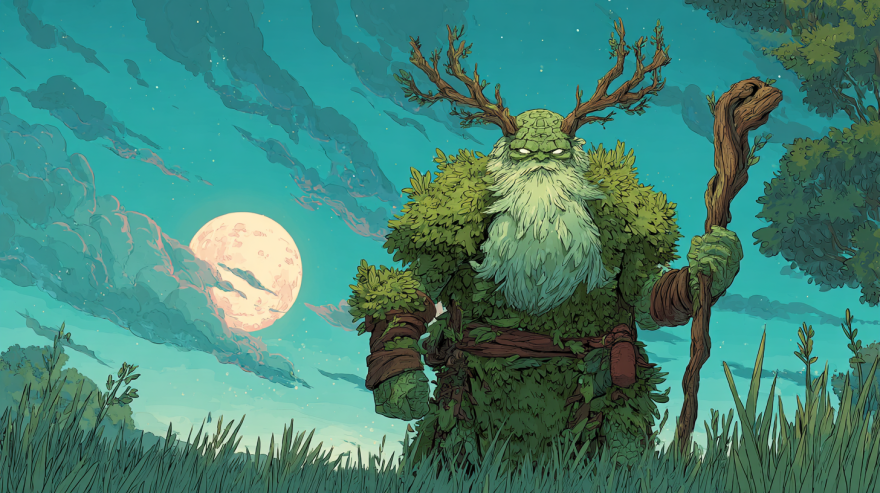
Feels strong, right? Your dice tray agrees.
If you rely on Dexterity or Wisdom to hit enemies, Great Tree helps a lot. Bow Rangers smile because it makes their Dexterity attacks better. Druids who attack with Wisdom spells get the same boost.
The tree form is great for players who like to stand firm, think carefully, and hit accurately, plus the ground hurts anyone rushing at you.
How about feats and little picks? Resilient Constitution is helpful with either form because keeping your focus matters a lot.
War Caster supports concentration and gives extra stuff you can do when it’s your turn to react. Archers usually go for Sharpshooter and Great Tree to get power and accuracy together.
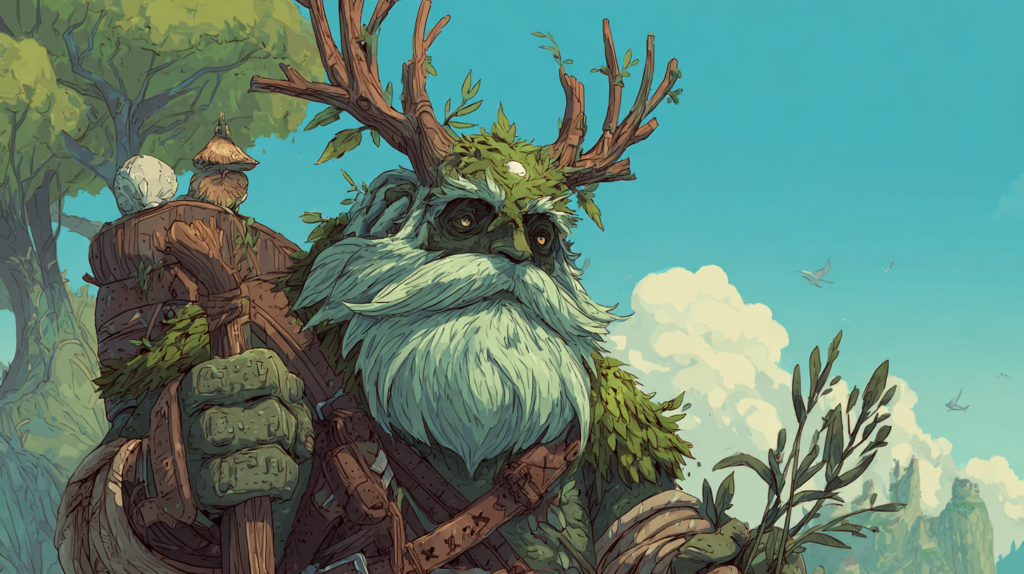
Strength-based fighters often like Great Weapon Master with Primal Beast because it lets them hit hard and feel like a fierce barbarian.
Spells and features that respect your plan are also welcome. If your team can restrain or prone targets, your advantage stacks with that feeling of control.
If you like mobile fights, pair Primal Beast with allies who create cover or darkness, since you see far in the dark. If you like structured battles, put Great Tree in spots where you can mark the floor with your circle and say, Walk here if you want problems.
Multiclass notes. A dip that improves your saving throws or adds more attacks can juice the value of Primal Beast.

A dip that gives control tools can make Great Tree feel like a mini fortress. Do not chase every build trick you see on the internet. Pick one that fits your table and your patience level.
If you hate tracking triggers, keep it simple. If you love little engines that hum, add a layer.
I want to give you a final small suggestion: Practice shouting out your character’s action before you play. Say “I fight!” or “I sneak!” quick and to the point.
Your game DM will thank you, your friends will praise you, and the combat will definitely speed up.
Conclusion
Guardian of Nature is a clean, satisfying button. Press it, change, and the table understands what is happening. Primal Beast turns you into a fast hitter who lands attacks and sprinkles force damage like a chef with strong wrists.
Great Tree turns you into a calm anchor who keeps concentration, boosts Dex and Wis attacks, and ruins enemy movement in a neat circle. That is it. No mystery. It rewards good timing, clear talk, and maps with actual shapes.

Use it when the fight matters and you want to feel like the hero the forest would hire. Keep it friendly. Keep it quick. Say a line that makes your group smile, then roll high and tell a story worth repeating.
FAQs
1) Does this stack with Hunter’s Mark or similar concentration spells
No. You can have only one concentration spell at a time. Pick the one that fits this minute.
2) Does the extra force damage work on every hit or only once per turn
Every melee weapon hit gets the extra die. If you hit twice, you roll it twice.
3) Does Great Tree slow my friends down, too
No. The difficult terrain is for enemies only. Your party moves normally.
4) Can I keep the slow zone if I climb or fly
No. The slow zone works while you are on the ground. Plant those feet.
5) Which form should I choose if I cannot decide
Ask two questions. Will I swing in melee with strength? Do I want better Dex or Wis attacks and a sticky zone? Answer guides the choice. Beast for the first, Tree for the second.