
Mammoth: A Guide to the Majestic Creature in Dungeons & Dragons 5th Edition

Introduction
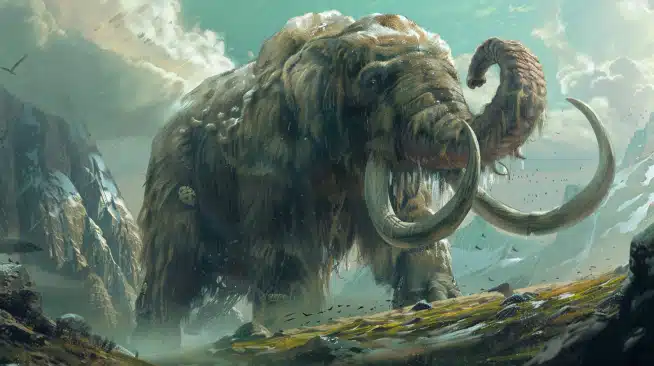
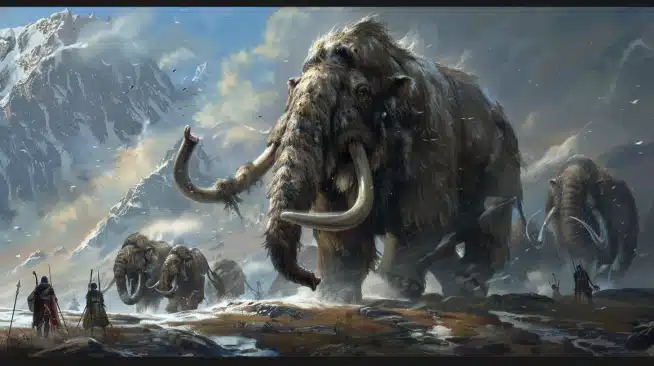
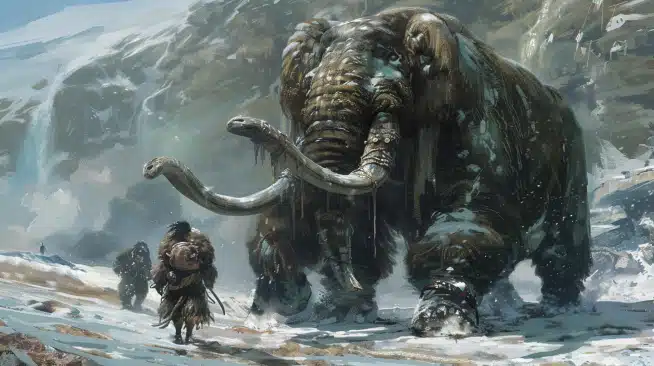
Imagine standing in the freezing cold, your breath visible in the icy air, as the ground begins to tremble. Out of the blizzard emerges a towering figure, covered in shaggy fur with enormous tusks curving towards the sky.
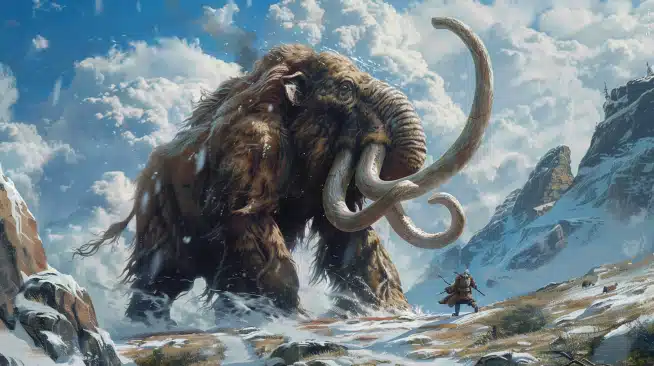
This is the mammoth, one of the most awe-inspiring creatures in the forgotten realms of Dungeons & Dragons 5th Edition. These majestic giants are more than just massive beasts; they are symbols of the raw, untamed power of nature.
Mammoths are colossal, prehistoric elephants that roamed the lands in ancient times. In the D&D world, they evoke the primal strength and majesty of those bygone eras. Standing over 10 feet tall and weighing several tons, their massive bodies are covered in thick, shaggy fur that helps them survive in the harshest climates.
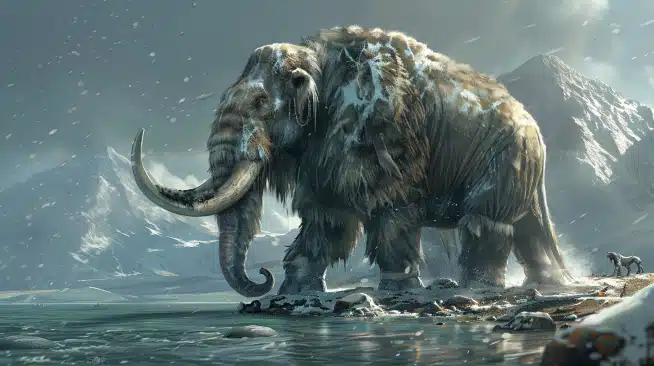
Their tusks, often several feet long, are not just for defense but also tools for foraging and moving through their icy habitats.
In the world of D&D 5e, mammoths can play a crucial role, whether as formidable foes, majestic mounts, or powerful allies. This guide is designed to provide both players and Dungeon Masters (DMs) with a comprehensive understanding of mammoths, from their habitats and behaviors to their potential uses in a campaign.
Whether you’re a player looking to encounter one or a DM crafting a story that includes these incredible creatures, this guide will cover everything you need to know.
Habitat and Ecology
Mammoths are typically found in the cold, mountainous regions of the D&D world, such as the Spine of the World or the icy tundras beyond the Ten Towns. These environments are harsh and unforgiving, much like the mammoths themselves. Adapted to survive in frigid temperatures, their thick fur and massive size help them endure the cold and thrive where few other creatures can.
Habitat
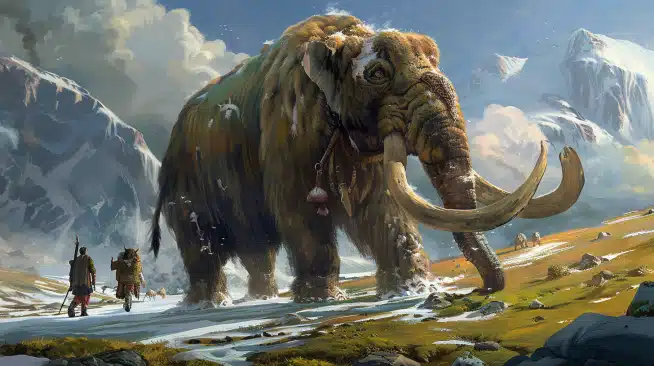
Mammoths thrive in cold environments where their thick fur and fat layers provide essential insulation against the freezing temperatures. They are most commonly found in high-altitude regions, rugged mountain ranges, and vast, icy tundras. These regions are characterized by long winters, short summers, and limited vegetation, which suits the mammoth’s diet and way of life.
In the Forgotten Realms, places like the Spine of the World offer the perfect habitat for these colossal beasts. The unforgiving cold, treacherous terrain, and sparse population of humanoids allow mammoths to roam relatively undisturbed. In other campaign settings, mammoths might be found in similar harsh environments, such as the icy plains of Eberron or the mountainous regions of Greyhawk.
Social Structure
Mammoths are social animals, often traveling in herds led by experienced females known as matriarchs. These herds are tight-knit communities, working together to find food and protect each other from predators. The matriarch leads the herd, making decisions on where to find food, when to move, and how to respond to threats. Younger males often leave the herd to form bachelor groups or live solitary lives.
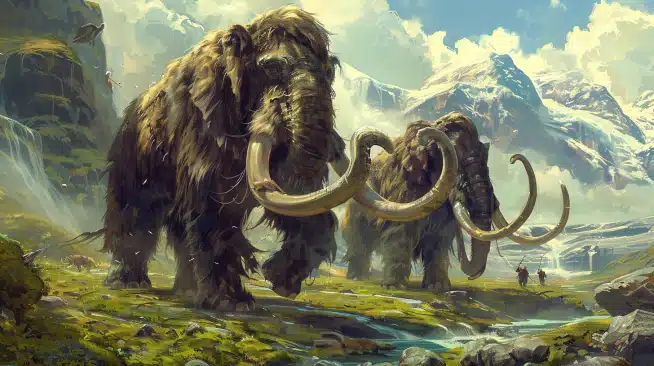
This herd behavior provides several benefits. It ensures the safety of younger, weaker members through numbers and collective defense. It also allows for shared knowledge and experience, particularly in finding food and navigating the harsh environment. The social bonds within a herd are strong, and members will risk their lives to protect one another.
Diet and Predation
Mammoths are herbivores, consuming grasses, shrubs, and even small trees. Their powerful trunks are adept at pulling up vegetation and breaking apart branches to access leaves and bark. During the short summer months, mammoths gorge on the abundant plant life to build up fat reserves that sustain them through the long, barren winters.
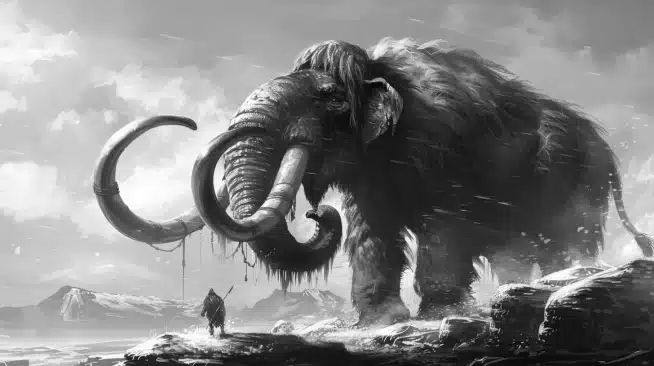
Despite their size and strength, mammoths are not without threats. Predators such as giants, white dragons, and other powerful creatures can pose significant dangers to them. However, their sheer size and the protection of the herd make them formidable adversaries for any would-be predator. In some campaign settings, humanoid tribes might hunt mammoths for their valuable ivory and fur, adding another layer of danger to their existence.
Mammoth Variants
D&D 5e offers several variants of mammoths, each with unique characteristics that can add variety to any campaign. These variants provide DMs with options to tailor encounters and enrich the game world with diverse and interesting creatures.
Woolly Mammoth (Monster Manual, MM)
The classic mammoth, the woolly mammoth, is perfectly adapted to frigid climates. Covered in thick fur and equipped with long, curved tusks, these mammoths are the embodiment of primal power in cold environments. They are the most commonly encountered variant in the northern realms.
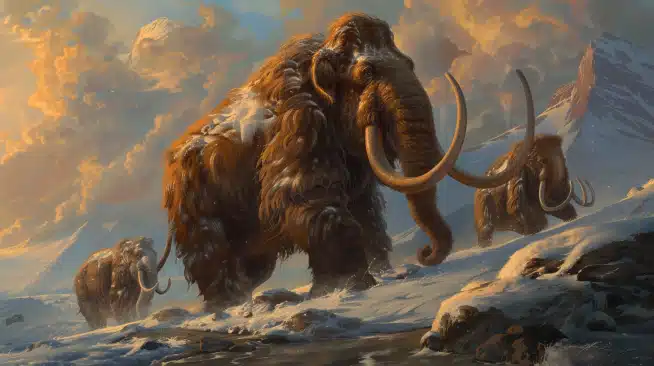
Woolly mammoths are massive, standing over 10 feet tall at the shoulder and weighing up to 12 tons. Their thick, shaggy fur and a layer of fat beneath their skin provide insulation against the cold, while their large tusks are used for foraging through the snow to find vegetation. In combat, their tusks can be deadly weapons, capable of goring opponents with devastating force.
Steppe Mammoth (MM)
Steppe mammoths are smaller and swifter than their woolly counterparts. Roaming the open grasslands, they are built for speed and endurance rather than brute strength. Their shorter fur and more streamlined bodies allow them to move quickly across the plains, making them harder to catch but still powerful if provoked.
Standing about 8 to 10 feet tall and weighing up to 10 tons, steppe mammoths are adapted to a different environment. Their diet consists of the grasses and shrubs of the steppe, and they are capable of covering long distances in search of food. This mobility makes them less predictable in encounters, as they can move swiftly and strike unexpectedly.
Cloud Mammoth (Storm King’s Thunder)
Found in the high mountain regions, cloud mammoths are majestic giants with fur that resembles swirling clouds. These mammoths are incredibly rare and are often considered sacred by those who live in or near their habitats. Their presence can be a sign of good fortune or a harbinger of a coming storm.
Cloud mammoths are slightly larger than woolly mammoths, standing up to 12 feet tall and weighing around 14 tons. Their unique fur not only provides insulation but also blends with the mist and clouds of their high-altitude homes, providing natural camouflage. These mammoths are often depicted in local legends as guardians of the mountains, and their appearance is a significant event in the folklore of nearby communities.
Other Variants
In addition to these primary variants, DMs can create their own unique mammoth types to fit their campaign settings. For example:
- Fire Mammoth: A mammoth adapted to volcanic regions with fur that blazes like flames, capable of withstanding intense heat and using its fiery tusks in combat.
- Forest Mammoth: A smaller, more agile mammoth that inhabits dense forests, using its tusks and trunk to navigate and manipulate the environment.
- Ice Mammoth: An even more cold-adapted version with thick, almost crystalline fur, capable of surviving in the most extreme icy conditions and having resistance to cold damage.
These imaginative variants can inspire unique encounters and story elements, enriching the game world with diverse and unexpected challenges.
Mammoths as Creatures
Mammoths are not just passive elements of the environment; they are dynamic creatures with specific mechanics and potential uses in a campaign. Understanding their strengths, weaknesses, and special abilities can help DMs create engaging encounters and adventures.
Strengths
Mammoths are immensely strong, with high Strength and Constitution scores that make them formidable in close combat. Their powerful tusk attacks can gore enemies, while their massive feet can stomp with crushing force. This makes them a challenging opponent for any adventuring party.
A typical woolly mammoth, for instance, has a Strength score of 24 (+7) and a Constitution score of 21 (+5). These attributes translate to high hit points and powerful physical attacks. A mammoth’s tusk attack can deal significant damage, and their Trampling Charge ability allows them to knock enemies prone and follow up with a devastating stomp.
Weaknesses
However, mammoths have lower Dexterity and Intelligence scores, which can be exploited by clever players. Their large size makes them less agile, and they can be outmaneuvered by faster, more nimble characters. Additionally, their limited intelligence means they can be tricked or lured into traps with the right strategy.
A mammoth’s Dexterity score is typically around 9 (-1), reflecting their lack of agility. Their Intelligence score is usually 3 (-4), indicating limited cognitive abilities. These weaknesses can be used by players to devise tactics that exploit the mammoth’s slower reaction times and inability to solve complex problems.
Special Abilities
Mammoths possess powerful attacks such as tusk gores and stomps. Their keen sense of smell also makes them excellent at detecting hidden creatures or sniffing out potential threats. This combination of brute force and sensory prowess makes them a versatile challenge for players.
- Tusk Gore: A melee weapon attack with significant reach and damage potential.
- Stomp: A powerful attack that can target prone creatures, dealing heavy damage.
- Keen Smell: Grants advantage on Wisdom (Perception) checks that rely on smell, making it hard for hidden or invisible creatures to escape detection.
Beyond Combat
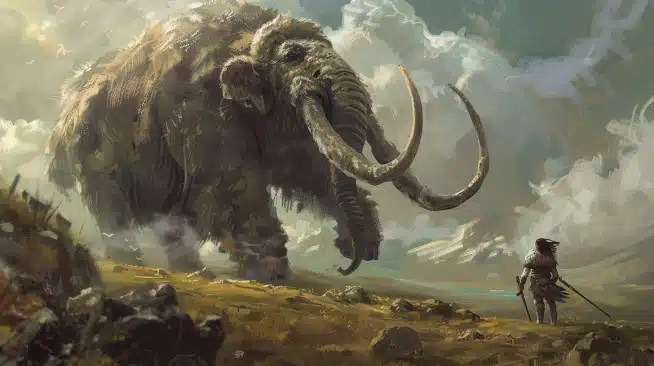
Mammoths can be more than just enemies. They can also be tamed and used as mounts for large or very strong characters. While taming a mammoth would be a significant challenge, the reward of riding such a majestic creature into battle could be worth the effort.
Using a mammoth as a mount requires specialized training and equipment, as well as a character with sufficient strength to control the beast. The Dungeon Master’s Guide (DMG) provides rules for handling large mounts, including how they can be equipped and what benefits they provide in combat.
Additionally, encountering mammoths in the wild can present environmental hazards. Their massive size and weight can trigger avalanches in snowy regions, and their foraging habits can create obstacles or change the landscape in significant ways. These elements can add depth and realism to a campaign setting, making the world feel more dynamic and alive.
Mammoths for Dungeon Masters
Dungeon Masters can use mammoths in various ways to enhance their campaigns. Whether designing encounters, creating lairs, or integrating mammoths into the story, these creatures offer rich opportunities for creativity and engagement.
Encounter Design
Creating encounters with mammoths can add excitement and tension to a campaign. Whether the players face a lone mammoth separated from its herd or a full herd protecting their young, these encounters can test the party’s combat skills and strategy.
Non-combat scenarios, such as guiding a lost mammoth back to its herd or dealing with the aftermath of a mammoth stampede, can also provide unique storytelling opportunities.
For combat encounters, consider the environment and how it can influence the battle. In a snowy tundra, players might have to deal with blizzards or icy terrain, while in a mountainous region, the risk of avalanches or rockslides could add additional hazards. Using these environmental elements can make the encounter more dynamic and challenging.
Lairs and Treasures
Mammoth lairs can be fascinating locations for exploration. Hidden caves or specific feeding grounds can serve as the setting for an encounter or a quest. Mammoth ivory and rare furs can be valuable treasures, providing motivation for adventurers to seek out these creatures.
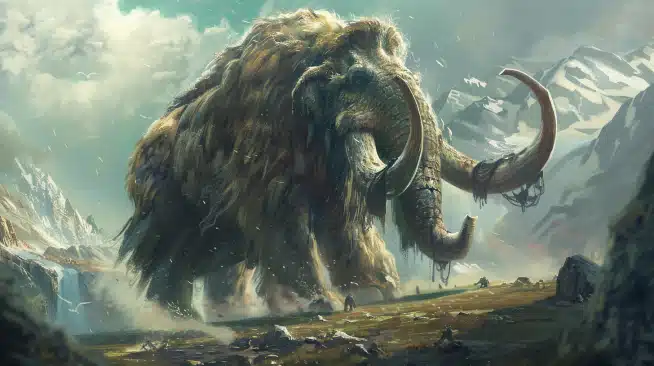
These items can also be used in crafting or as rare trade goods, adding further depth to the campaign economy.
A mammoth lair might be located in a secluded valley, accessible only through a narrow pass or hidden behind a waterfall. Inside, players could find signs of mammoth activity, such as trampled vegetation, shed fur, and bones of past meals. The lair could also house other creatures that coexist with the mammoths, creating additional challenges and opportunities for the players.
Storytelling
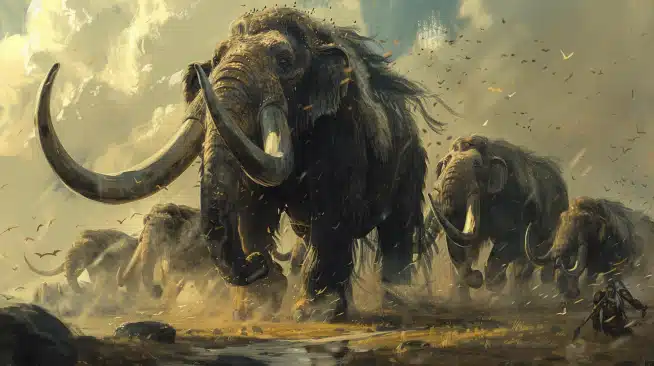
Mammoths can play significant roles in the story. They can be guardians of ancient secrets, obstacles on a perilous journey, or symbols of nature’s power. Incorporating mammoth migrations into the campaign world can create dynamic, living environments. Imagine a herd of mammoths moving through the region, impacting the local ecosystem and the lives of those who live there.
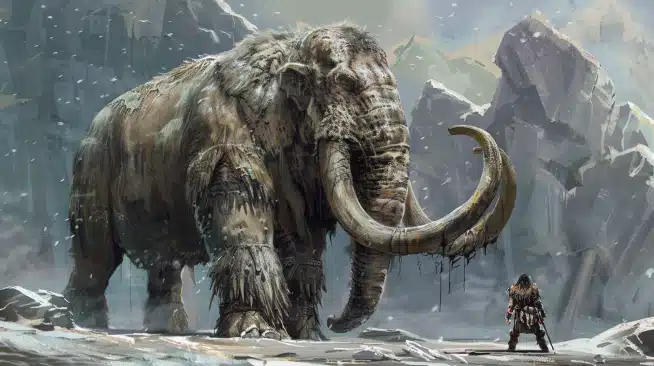
Such events can serve as the backdrop for quests or be central to the campaign’s plot.
For example, a mammoth herd’s migration could disrupt local settlements, leading to conflicts with the inhabitants or attracting predators that threaten both the herd and the people. The players might be tasked with guiding the herd safely to their destination or uncovering the reasons behind the unusual migration patterns.
Mammoths in Mythology and Folklore
Throughout history, mammoths have captured the human imagination. In mythology and folklore, they often represent strength, endurance, and the harsh beauty of the natural world. Some cultures believe mammoths to be the guardians of ancient wisdom, while others see them as omens of great events to come.
In some unofficial D&D sources, you may find unique mammoth variants like the Fire Mammoth, a creature adapted to volcanic regions with fur that blazes like flames. While not part of the official 5e bestiary, these imaginative creatures can inspire DMs to create their own unique mammoth types, adding even more variety and excitement to their campaigns.
By exploring the rich mythology and potential of mammoths, DMs and players can bring a sense of wonder and adventure to their D&D games, making every encounter with these majestic giants a memorable experience.
Conclusion
Mammoths in D&D 5e are more than just giant beasts; they are versatile elements that can enrich a campaign world. Their immense size and power make them formidable foes, while their social behavior and environmental impact offer unique storytelling opportunities.
Mammoths can serve as formidable challenges, noble steeds, or emblems of the untamed wilderness, bringing layers of intrigue and thrill to any escapade.
Dungeon Masters are encouraged to get creative with mammoths, adapting them to fit the specific needs of their campaign. By understanding these majestic creatures and their potential roles, both players and DMs can enhance their D&D experiences, creating memorable stories and thrilling challenges along the way.
Frequently Asked Questions (FAQs)
1. What is a Mammoth in Dungeons & Dragons 5th Edition?
Mammoths are enormous, elephant-like creatures that roam the coldest regions of Dungeons & Dragons 5th Edition. They are known for their immense size, thick fur, and impressive tusks. Mammoths can be fearsome opponents, but they can also be valuable allies or sources of rare materials.
2. What are the different types of Mammoths in D&D 5th Edition?
The Dungeon Master’s Guide presents two primary types of mammoths:
- Woolly Mammoth: The most common type, known for its shaggy fur that provides protection from the harsh cold.
- Glacier Mammoth: A rarer and more aggressive variety with longer tusks and a fiercer disposition.
3. How strong are Mammoths in D&D 5th Edition?
Mammoths are formidable foes. Their massive size grants them advantage on Strength checks and saving throws, and their attacks can inflict significant damage. Their tusks are particularly dangerous, capable of goring opponents for substantial piercing damage.
4. Can Mammoths be tamed in D&D 5th Edition?
Taming a mammoth is a challenging feat, requiring a successful Charisma (Animal Handling) check. Even a tamed mammoth may require careful handling due to its wild nature.
5. What are the benefits of having a Mammoth companion in D&D 5th Edition?
A tamed mammoth offers several advantages:
- Powerful Mount: A mammoth can carry multiple characters into battle, providing a mobile and formidable platform.
- Strength and Durability: Their immense size allows them to break through obstacles and frighten enemies.
- Resource Gathering: Their tusks can be a valuable source of ivory, a material prized for crafting.