
Multiclassing in D&D 5e: Adding Flavor and Mechanics


Hey! So you’re interested in multiclassing? Let me tell you something. When I started playing D&D, my character was just a simple Fighter. Someone who wears armor, swings a sword, that’s it.
But after playing for some time, I wanted more. My character found an old spellbook in some dungeon, and it felt right that he should learn magic from it.
That’s when my DM told me about multiclassing, and honestly, it changed my whole game.
Multiclassing means your character can learn skills from more than one class. You don’t have to be only a Wizard for 20 levels. Maybe you start as a Wizard and then take some levels in Fighter. Or you begin as a Rogue and later train as a Cleric.
You get to mix different classes together to make your character feel unique.
Now listen, multiclassing is totally optional. Your DM might not even allow it. Some tables don’t use it because it makes things more complicated. So always check with your DM first. But if they say yes, then you’re in for a fun time.
You can create characters that feel exactly how you want them to feel, both in the story and in what they can actually do in battles.
The focus keyword here is multiclassing in D&D 5e, and by the end of reading, you’ll understand how to use it properly without getting confused.
What Exactly is Multiclassing
Let me explain the basics properly. When you first make your character at level 1, you pick one class.
Let’s say you pick Paladin. That’s your starting class. You get all the Paladin stuff at level 1. Heavy armor, some healing magic, ability to smite enemies, all that.
Now, every time you get enough experience points to level up, normally, you just take another level in Paladin.
You go from level 1 Paladin to level 2 Paladin, then level 3, and so on. Simple enough, right? But with multiclassing, you can choose to take a level in a totally different class instead.
Here’s an example from my own gaming group. My friend Sarah was playing a level 4 Ranger. She was good at shooting arrows and tracking monsters through forests. But then something happened in our story. Her character saw something really terrible and made a promise to protect innocent people.
When Sarah got to level 5, instead of taking another Ranger level, she took her first level in Paladin. Now she was a level 4 Ranger plus a level 1 Paladin. Her total character level was 5 (you just add them), but she had abilities from both classes.
The important thing you need to understand is that character level and class levels are different things. Your character level matters for how much experience you need before levelling up again. It also tells the DM how tough the monsters should be. But your class levels decide what abilities you actually have.
So if you’re a level 10 Fighter and a level 2 Wizard, your character is level 12 total. You fight enemies that make sense for level 12 characters. But you only have the Fighter abilities of a level 10 Fighter and the magic spells of a level 2 Wizard.
Before you can multiclass, you need to meet some requirements. Each class needs a minimum ability score, usually 13 in a specific stat. For example, if you want to become a Wizard, you need an Intelligence of at least 13.
Want to be a Cleric? You need Wisdom 13. And here’s the tricky part. You need to meet the requirement for BOTH the class you’re leaving and the class you’re joining.
Let me give another example. You’re playing a Barbarian (which needs Strength 13 to multiclass) and you want to become a Druid (which needs Wisdom 13). You must have BOTH Strength 13 and Wisdom 13.
If you only have 12 Wisdom, sorry, you can’t do it. You’re stuck until you increase that Wisdom score.
When you multiclass into a new class, you don’t get everything that class normally starts with. You don’t get their starting equipment, and you only get some of their proficiencies.
For example, a Wizard who takes levels in Fighter doesn’t suddenly know how to wear heavy armor. The rules tell you exactly what you gain, and it’s less than what you’d get if you started as that class at level 1.
I remember when I multiclassed my Cleric into Rogue. I got light armor proficiency, one extra skill, and proficiency with thieves’ tools. But I didn’t get all the stuff a starting Rogue would get.
That’s the trade-off. You’re learning a new profession in the middle of your career, so you don’t get the full beginner package.
Reasons Why Players Choose Multiclassing
People multiclass for different kinds of reasons, and there’s no single “correct” reason. Let me share what I’ve seen at my tables over the years.
For the story, multiclassing can be really powerful. Maybe your Rogue watched their best friend die and swore an oath of revenge, so they became a Paladin. Or your Wizard got lost in a magic forest and made a deal with some strange creature, gaining Warlock powers.
When big things happen in the story, multiclassing makes that change feel real on your character sheet.

I once played with someone named Marcus. His Bard character lost his voice after a bad battle. He couldn’t sing anymore, which meant his bardic magic was gone. Marcus decided to take levels in Fighter because his character needed a new way to help the party.
Watching him roleplay that transition was one of the most emotional things I’ve seen in D&D. The multiclass wasn’t about getting stronger at all. It was about making the story feel meaningful.
For mechanical benefits, some class combinations work really well together. A Rogue who takes a couple of levels of Fighter gets something called Action Surge, which lets them take an extra action in combat.
That means more chances to land their big Sneak Attack damage. A Warlock who goes into Sorcerer can change their spells in new ways using something called Metamagic.
But here’s my honest advice. Don’t multiclass just because you read online that some combination is “broken” or “overpowered.”
I’ve watched players copy complicated builds from internet guides, and then they just sit there confused every turn because they don’t actually understand how their character works. It’s not fun for them, and it makes the whole table slower. Build what makes sense to you, not what some guide says is the best.
To fill gaps in your party, sometimes multiclassing is just practical. If nobody in your group can heal, maybe your Fighter takes a level or two in Cleric to keep people alive.
If everyone keeps dying to traps because nobody can pick locks, your Wizard might take a Rogue level. You don’t have to do it, but it can make adventures smoother and easier.
To try something new, after playing the same character for many months, you might want to shake things up. I played a Barbarian for almost a full year. I loved that character, but smashing things with an axe every single fight got repetitive. When the story gave me an opportunity, I took a few levels in Druid.
Suddenly, I could turn into animals, cast spells, and still rage when I needed to. It made the character feel fresh again without having to start completely over.
To create unique concepts, some character ideas just can’t exist as a single class. Want to play a holy warrior who also uses dark powers? That’s a Paladin mixed with Warlock. Want to be a smart fighter who puts magic on their own weapons?
Fighter mixed with Wizard. Want to be a travelling musician who solves problems with their fists? Bard mixed with Monk. Multiclassing lets you bring these weird, wonderful ideas to life.
The key is to have a reason that matters to you personally. Whether it’s story, mechanics, party needs, or just because it sounds fun, any of those reasons work. What doesn’t work is doing it randomly without any plan.
I once watched someone take one level in four different classes, and by level 8, they couldn’t do anything properly. They were okay at everything but great at nothing. Not a good feeling at all.
Understanding the Prerequisites and Rules
Before you jump into multiclassing, you need to know the rules properly. Don’t worry, I’ll walk you through them step by step, just like if we were sitting together with character sheets between us.
First, let’s talk about those ability score requirements again because they constantly confuse people.
Every class has a “Multiclassing Prerequisites” requirement. Here’s what you need:
Barbarian needs Strength 13. Bard needs Charisma 13. Cleric needs Wisdom 13. Druid needs Wisdom 13. Fighter needs Strength 13 OR Dexterity 13 (your choice). Monk needs Dexterity 13 AND Wisdom 13 (both of them!).
Paladin needs Strength 13 AND Charisma 13 (both!). Ranger needs Dexterity 13 AND Wisdom 13 (both!). Rogue needs Dexterity 13. Sorcerer needs Charisma 13. Warlock needs Charisma 13. Wizard needs Intelligence 13.
See how some classes need two different stats? That makes them harder to multiclass into or out of. Monk, Paladin, and Ranger are the tricky ones because they need two stats each.
And remember what I said earlier. You need the requirements for BOTH classes. If you’re a Monk wanting to become a Cleric, you need Dexterity 13, Wisdom 13 (for the Monk you’re leaving), and Wisdom 13 (for the Cleric you’re joining).
Luckily, Wisdom is the same for both, so you just need Dexterity 13 and Wisdom 13 total.
Proficiency bonus stays based on your total character level. If you’re a level 3 Fighter and level 2 Rogue (character level 5), you have a +3 proficiency bonus. That part is simple.
Hit points work by adding together all your hit dice from all your classes. Each time you level up, you roll the hit die for whatever class you’re taking that level. Barbarians have d12 hit dice (really big!), while Wizards have d6 hit dice (small!).
If you take a Wizard level, you’ll add fewer hit points than if you took a Barbarian level. You can also just take the average instead of rolling. That’s safer and more predictable.
For example, let’s say you have 5 levels in Fighter (d10 hit dice) and then you take a level in Rogue (d8 hit dice). When you level up as that Rogue, you roll 1d8 and add your Constitution modifier.
Or you can take the average, which for a d8 is 5, and add your Constitution modifier. Either way, you add that total to your hit points.
Proficiencies are where things get interesting and tricky. When you multiclass into a new class, you only get some of the proficiencies, not all of them. There’s a special table called “Multiclassing Proficiencies” that tells you exactly what you gain.
For example, if a Wizard takes levels in Fighter, they get light armor, medium armor, shields, simple weapons, and martial weapons. But they do NOT get heavy armor, even though a starting Fighter would have it.
And get this, if you multiclass into Sorcerer or Wizard, you gain literally no new proficiencies at all! Nothing!
I made a mistake once. I thought my Wizard could wear plate armor after taking a level in Paladin. My DM politely showed me the multiclassing table. I only got light armor, medium armor, and shields. Not heavy armor. It was a bit embarrassing, but we fixed it and kept playing.
Spellcasting is the most complicated part of multiclassing. If you take levels in multiple spellcasting classes, you use a special formula.
Here it is: Add together all your full caster levels (Bard, Cleric, Druid, Sorcerer, Wizard), plus half your Paladin and Ranger levels (rounded down), plus one third of your Eldritch Knight Fighter or Arcane Trickster Rogue levels (rounded down). The total tells you what row to look at on the Multiclass Spellcaster table.

Let me give an example to make it less scary. You’re a level 4 Cleric and a level 2 Ranger. Full caster levels equal 4 (from Cleric). Half your Ranger levels equals 1 (half of 2, rounded down).
Total equals 5. You look at row 5 on the Multiclass Spellcaster table, and you see you have four 1st-level slots, three 2nd-level slots, and two 3rd-level slots.
BUT, and here’s the really tricky part, you prepare spells as if you were ONLY a level 4 Cleric and ONLY a level 2 Ranger separately.
So even though you have 3rd-level spell slots available, you can only prepare spells that a level 4 Cleric or a level 2 Ranger could learn individually. You can use those higher-level slots to cast your lower-level spells at higher power, though.
When I explain multiclass spellcasting to new players, I tell them to make two separate spell lists. One list for each class.
Then, total up their spell slots using the formula. Keep those two ideas separate in your head. Spell slots are one big pool shared between classes, but spells known or prepared are tracked separately for each class.
How to Plan Your Multiclass Build Properly
Here’s where we talk strategy and planning. You can’t just randomly take levels in different classes whenever you feel like it.
Well, technically, you can, but you’ll end up with a weak character who frustrates you every single session.
Let me help you plan it properly.
Start with your concept: What’s your character’s story? Who are they as a person, and where are they going? Write it down if that helps you. My current character is a Fighter who found out his grandmother was a powerful magical creature from another world.
I planned from the very beginning to take levels in Warlock around level 6, when the story would naturally lead him to make a magical pact with his grandmother’s people.
Having a plan doesn’t mean you can’t be flexible. Sometimes the story takes unexpected turns, and that’s fine. But knowing your general direction helps you make smart choices about ability scores and when exactly to multiclass.
Decide on a primary class: Most successful multiclass characters have one main class and one (maybe two at most) secondary class. You might be a level 15 Rogue with 3 levels of Fighter. Or a level 12 Paladin with 5 levels of Warlock. One class should be your foundation, your main thing.
Why does it matter? Because classes get really powerful abilities at certain levels. Spellcasters get access to higher-level spells that are way better.
Martial classes get Extra Attack at level 5 (letting you attack twice instead of once). If you spread yourself too thin, you delay or completely miss these power jumps.
Don’t multiclass before level 5, unless you have a really good story reason. Level 5 is when most classes get their biggest power boost. Fighters, Barbarians, Rangers, Paladins, and Monks get Extra Attack.
Spellcasters get 3rd-level spells, which are way better than 1st and 2nd-level spells. If you multiclass at level 3 or 4, you’ll feel weak compared to your party members for several levels after that.
I broke that rule once. I took levels in Cleric when my Wizard was only level 3 because the story really demanded it. For the next three levels, everyone else was casting Fireball and making two attacks per turn, while I was still stuck with 1st-level spells and one attack. I survived, but I definitely felt weaker than everyone.
Think about how many levels you’ll take: Some classes give you really good stuff in just 1 to 3 levels. Warlock is famous for this.
Taking just 2 or 3 Warlock levels gives you Eldritch Blast (one of the best damage spells), some spell slots that come back on short rests, and powerful special abilities called invocations. Other classes, like Wizard or Druid, really need higher levels to access their best stuff.
A common smart approach is to take your main class to at least level 11 or so, with 2 to 5 levels in a secondary class. So you might end at level 14 Bard and level 3 Warlock when you reach level 17 total. That keeps you strong in your primary role while adding some new tricks.
Check what you’re getting at each level: Look at the class tables in the Player’s Handbook. What do you get at level 6 Fighter? What about level 7? Sometimes there’s a really important ability at a certain level, and you don’t want to delay it by multiclassing right before you’d get it.
Talk to your DM first: Some DMs don’t allow multiclassing at all because it makes the game more complex. Others might have special house rules about it. And your DM can help add your multiclass choice into the story properly.
When I wanted my Ranger to become a Druid, my DM created a whole side quest where my character went into a magical forest and did a ritual. It made the multiclass feel earned and special.
Make sure your stats support your plan: If you want to be a Paladin mixed with Wizard, you’ll need Strength 13, Charisma 13, AND Intelligence 13. That’s three different stats! You might need to plan carefully during character creation to make sure you have the minimum stats you need, which means your main stats won’t be quite as high. It’s a trade-off you have to accept.
Planning prevents problems, trust me on that one. The players at my table who have the most fun with multiclassing are the ones who planned it from the start (or at least thought carefully before doing it), not the ones who randomly took levels in whatever sounded interesting that week.
Popular Multiclass Combinations
Let me share some combinations that have worked really well at my tables and in games I’ve heard about from other players. These are tried and tested options that make sense both mechanically and for storytelling.
Paladin and Warlock are probably the most famous combination out there. You play mostly as a Paladin (taking at least 6 or 7 levels), then take 2 or 3 levels in Warlock. Both classes use Charisma, so your stats work together perfectly.
The Warlock levels give you Eldritch Blast for ranged attacks, some spell slots that come back on short rests instead of long rests, and special abilities that add utility. Paladins have something called Divine Smite, where they can spend spell slots to deal massive extra damage when they hit with a weapon.
With Warlock slots coming back frequently, you can smite way more often.
The story part can be tricky because Paladins are often holy warriors serving good gods, and Warlocks make pacts with questionable beings. But that tension actually creates great roleplay!
Maybe your Paladin is desperate to defeat a great evil and makes a deal they’ll regret later. Or maybe their god connects them with a good patron. Work with your DM to make it fit your story.
Fighter and Rogue are perfect for beginners because it’s straightforward and simple. Take most of your levels in Rogue (for that scaling Sneak Attack damage), and grab 2 or 3 levels of Fighter.
Fighter gives you Action Surge (an extra action once per rest, which is powerful), a Fighting Style (like Archery for better aim), and Second Wind (heal yourself a bit). You become super reliable in combat. Hitting often, dealing good damage, and having emergency healing.
For the story, it makes total sense. A Rogue who learns some military discipline and training. Or a soldier who goes undercover and picks up street skills and sneaky tricks. My friend played exactly that combination for her very first campaign, and she loved every single session.
Barbarian and Fighter make you an unstoppable tank. Both classes use the same stats (Strength and Constitution), so you’re not spreading yourself thin at all. Take most of your levels in Barbarian for that incredible Rage ability (which reduces damage you take and increases damage you deal), and add 3 to 5 levels of Fighter for more attacks and possibly Action Surge.
You’re tough, you hit hard, and you’re easy to play. No complicated spells to track.
Sorcerer and Warlock are for people who really love magic and spellcasting. Warlocks get spell slots that come back on short rests.
Sorcerers can use something called Sorcery Points to create more spell slots or use Metamagic to modify their spells in special ways. Together, you have loads of magical flexibility and options.
You can also use Metamagic on Eldritch Blast to make it super powerful. Both classes use Charisma, so your stats work perfectly together. The downside is managing all those different resources. It requires experience and careful attention to detail.
Cleric and Druid give you access to the most versatile spell list possible in the whole game. Both are full casters using Wisdom, so you’re not delaying spell progression much, and your stats match up well.
You can heal people, deal damage, control the battlefield with area spells, and the Druid levels let you wildshape and turn into animals for scouting or even combat. The challenge is that you’ll have so many spell options that making decisions can be slow.
But if you like having tools for every single situation, it’s fantastic.
Ranger and Rogue create the ultimate scout and skill expert character. Both use Dexterity, both are good at stealth and survival stuff, and you get skills from both classes.
You can track enemies through the wilderness, pick locks in dungeons, deal decent damage with Sneak Attack or Hunter’s Mark spell, and have some useful Ranger spells for utility. For the story, it’s very natural.

A wilderness scout who operates in cities might pick up Rogue skills, or a street thief who runs away to the forest might learn Ranger abilities from necessity.
Monk and Cleric are less common but really interesting when done right. Both use Wisdom, so your stats work together. The Monk’s martial arts combine nicely with Cleric support spells.
You can punch enemies with your fists, heal your friends with magic, and have plenty of movement and mobility options. I played exactly that combination last year as a wandering healer who solved problems with compassion and wisdom and, when absolutely necessary, her fists. It was thematically rich and mechanically viable.
Remember, these are just suggestions and ideas. The internet is full of “optimal” builds that people argue about, but D&D isn’t really about optimisation.
It’s about having fun with your friends. The player having the most fun at my current table is playing a Bard mixed with Barbarian who recites angry poetry while raging in combat. It’s completely ridiculous and makes no logical sense, but we absolutely love it.
Common Mistakes You Should Avoid
Let me help you avoid the mistakes I’ve made and seen other people make over the years. Learning from my failures means you don’t have to repeat them yourself.
Spreading too thin is the number one biggest mistake. I watched a new player take one level in Wizard, then one in Cleric, then one in Fighter, then one in Rogue. By level 8, they had a little bit of everything but couldn’t do anything well at all.
Meanwhile, single-class characters were getting game-changing, powerful abilities. Stick to one or maybe two classes maximum. Three is really pushing it. Four or more is usually a complete disaster.
Forgetting ability score requirements causes major problems. You need that 13 in the right stats, remember? I once planned an entire character build around becoming a Monk mixed with Druid, built my whole character around it, and then realised at level 5 that I only had 12 Wisdom. I couldn’t multiclass at all.
I had to use my next Ability Score Increase to bump Wisdom up to 13, which delayed my whole build by one level. Really frustrating.
Multiclassing before level 5 usually hurts you badly. I mentioned that earlier in another section, but it’s worth repeating because people do it anyway and then regret it. Level 5 is when everyone gets their big power spike. If you delay that by multiclassing early, you’ll feel weak and useless.
Not understanding spellcasting rules creates constant confusion at the table. Multiclass spellcasting is genuinely complicated and confusing. You might have 4th-level spell slots available, but can only prepare 2nd-level spells.
New players often try to prepare spells they don’t have access to yet. Keep two completely separate spell lists for each class and check them carefully every single time you level up.
Ignoring proficiency limits happens way more than you’d think. A Wizard taking levels in Paladin doesn’t automatically get heavy armor proficiency. Check the Multiclassing Proficiencies table carefully every time!
I joined a campaign once where the Wizard had been wearing plate armour for five whole sessions, and nobody at the table noticed the mistake until I pointed it out.
Multiclassing for mechanics without story creates boring, flat characters that nobody remembers. Sure, that three-class combination might deal 15 more damage per round on paper, but why did your character learn such random, unconnected skills? Can you explain it in the story?
Players who only care about the numbers often stop engaging with roleplay completely, and D&D is about storytelling and friends having fun together, not just combat math and damage calculations.
Copying and building from the internet without understanding them properly leads to constant frustration. The internet is absolutely full of “broken” builds that deal ridiculous amounts of damage.
But those builds often require very specific feats, magic items, party composition, and tactical knowledge to work. If you just copy one without actually understanding how it works, you’ll struggle every single session and feel bad. Build something you actually understand yourself.
Ignoring your party’s needs can hurt everyone at the table. If you’re the only person in the group who can heal, maybe don’t multiclass completely out of Cleric and abandon that role. Talk to your group about party balance before making major changes to your character. D&D is a team game where everyone should be having fun.
Delaying Ability Score Improvements is something people don’t realise until it’s way too late. You get Ability Score Improvements based on your individual class levels, not your total character level.
Most classes get them at levels 4, 8, 12, 16, and 19 of that specific class. If you multiclass heavily between multiple classes, you might only get 4 or 5 total increases instead of the normal 5 or 6 you’d get. Your ability scores will lag behind single-class characters, which can hurt.
I made the spreading too thin mistake myself when I first started playing years ago. I created a Fighter mixed with Rogue mixed with Wizard mixed with Cleric because I wanted my character to do everything possible. By level 12, I was terrible at everything.
My attack bonus was low, my spells were weak and low level, I had fewer hit points than anyone else at the table, and I was constantly confused about what I could even do on my turn.
Meanwhile, my friend, playing a pure single-class Barbarian, was dominating every single encounter without any trouble. I learned the very hard way that focus creates real effectiveness in combat and out of it.
Making Multiclassing Work at Your Table
Multiclassing isn’t just about rules and numbers on a character sheet. It’s about how it fits into your actual game with real people at your table sitting together.
Let me share some practical advice for making it work smoothly for everyone.
Talk to your Dungeon Master first. I can’t stress enough how important it is to discuss multiclassing before you just do it. Some DMs don’t allow it at all because it adds extra complexity to an already complex game.
Others might require you to find a trainer NPC or go through some special in-game event before you can take levels in a new class.
When I wanted my Ranger to take levels in Paladin, my DM made me find a temple first, spend downtime days training with priests, and take a sacred oath in a proper ceremony. It took two full sessions of gameplay, but it made the multiclass feel really meaningful and earned through story.
Don’t just show up one day and announce “I’m a Warlock now” out of nowhere. Work together with your DM to make it part of the actual story.
Give your multiclass narrative weight and meaning. Becoming a new class represents significant character growth and change. Maybe you need a mentor NPC to train you in the new skills. Maybe there’s a ritual or special ceremony. Maybe it happens during downtime between adventures when you have free time.
My Cleric, who took levels in Warlock, had an entire dream sequence where her patron appeared in the dream and offered a supernatural bargain. It became a major plot point for the whole campaign, not just a mechanical choice on my character sheet.
Help other players understand your abilities. When you multiclass, your turns in combat might take longer because you suddenly have way more options to choose from. Your fellow players need to know what you can do so they can plan their own tactics and actions around your abilities.
One player at my table created a simple reference card listing her main abilities and passed copies to everyone at the table. Now we all know she can cast a Hex spell, use Eldritch Blast, and still smite enemies with her sword. We coordinate our tactics better because of it.
Be patient with yourself during the transition period. The first few sessions right after multiclassing feel awkward and clunky. You’re learning new abilities while still trying to remember your old ones.
It’s totally fine and normal to check the rulebook during your turn. Just tell your table honestly, “Hey everyone, I’m still figuring out my new class abilities, so I might need an extra minute on my turns.” Everyone will understand completely because we’ve all been there ourselves.
Track your resources carefully and organized. Multiclassing means managing way more resources than a single-class character. You have spell slots from multiple different sources (maybe some recharge on short rests and others only on long rests), class features with different recharge times, and various abilities to keep track of.
Use a detailed character sheet or a tool like D&D Beyond that calculates everything automatically for you. Stay organised, or you’ll forget about half your abilities and waste them.
Don’t steal the spotlight from other players. Some multiclass combinations are extremely powerful when built correctly. If you’re dealing way more damage than everyone else every single fight, or solving every problem by yourself, you need to pull back a bit.
Let other people have their heroic moments and shine. D&D is collaborative storytelling, not competitive against your own teammates.
I once played a Paladin mixed with Warlock mixed with Sorcerer (a specific build people call “Coffeelock” that can cast basically unlimited spells through an exploit). I could solve almost every problem completely by myself with magic.
After a few sessions, my DM pulled me aside privately after the game and told me that other players at the table felt useless and were thinking of quitting. I retired that character immediately and made someone much simpler and less powerful. The game became fun again for absolutely everyone.
Embrace the weird, unusual combinations. Multiclassing creates unique characters that don’t fit normal patterns, and that’s actually beautiful. Your Barbarian mixed with Wizard is strange and contradictory.
Lean into it! Why does a raging warrior study complicated magic? Maybe they’re trying to control their anger issues through academic discipline and study. Maybe they’re enchanting their own weapons with special runes.
Maybe they’re just naturally gifted in two totally contradictory areas. The weird, strange combinations create the most memorable and beloved characters that people remember for years.
Ask for help when you need it, always. If you’re confused or unsure about how something works, just ask your DM or fellow players at the table. The multiclassing rules are on pages 163 to 165 of the Player’s Handbook, but they’re really dense and technical to read.
When I first tried to calculate multiclass spell slots using that formula, my DM walked me through it step by step patiently. There’s absolutely zero shame in asking questions. Better to ask and understand than stay confused.
At my table over the years, the best multiclass characters are always those where the player communicates clearly with everyone, respects the story and world, and keeps the whole group’s fun in mind instead of just their own.
When everyone works together as a real team, multiclassing enhances the game for absolutely everybody. When someone goes off on their own, trying to optimise without any regard for others, it creates friction and bad feelings that hurt the game.
Quick Reference Table for Multiclass Options
Here’s a helpful table comparing some popular multiclass options to help you make better decisions:
| Combination | Primary Ability | Best Used For | Key Benefits | Difficulty | Recommended Levels |
|---|---|---|---|---|---|
| Paladin/Warlock | Strength, Charisma | Burst damage, ranged options | Frequent smites, Eldritch Blast, spell recovery | Medium | 2-3 Warlock, rest Paladin |
| Fighter/Rogue | Dexterity | Consistent damage | Action Surge, Extra Attack, Sneak Attack | Easy | 2-3 Fighter, rest Rogue |
| Barbarian/Fighter | Strength, Constitution | Tanking, staying alive | Extra attacks, Rage damage reduction, Action Surge | Easy | 3-5 Fighter, rest Barbarian |
| Sorcerer/Warlock | Charisma | Spellcasting flexibility | Metamagic, Eldritch Blast, spell conversion | Hard | 2-3 Warlock, rest Sorcerer |
| Cleric/Druid | Wisdom | Versatile casting | Huge spell selection, healing, wildshape into animals | Medium | 2-3 either way works |
| Ranger/Rogue | Dexterity, Wisdom | Scouting, many skills | Multiple expertises, Sneak Attack, Hunter’s Mark | Easy | 3-5 levels in each class |
| Monk/Cleric | Dexterity, Wisdom | Support and martial arts | Martial arts plus healing, spiritual theme | Medium | 1-3 Cleric, rest Monk |
| Bard/Warlock | Charisma | Social situations and magic | Special invocations, Jack of All Trades, spell slots | Medium | 2-3 Warlock, rest Bard |
TL;DR: The Quick Version
If you need the super-fast version without all the details, here it is:
What is multiclassing? Taking levels in more than one class to combine their abilities and create a unique character that’s different from single-class characters.
How do you multiclass? When you level up, choose to take a level in a different class instead of continuing in your current class. You need specific ability scores (usually 13 or higher) in the relevant stats for both classes.
Key rules to remember: Your character level is the sum of all your class levels added together. You keep features from all your classes. Spellcasting from multiple classes uses a special formula for calculating spell slots. You don’t get full starting proficiencies from your new class, only some of them.
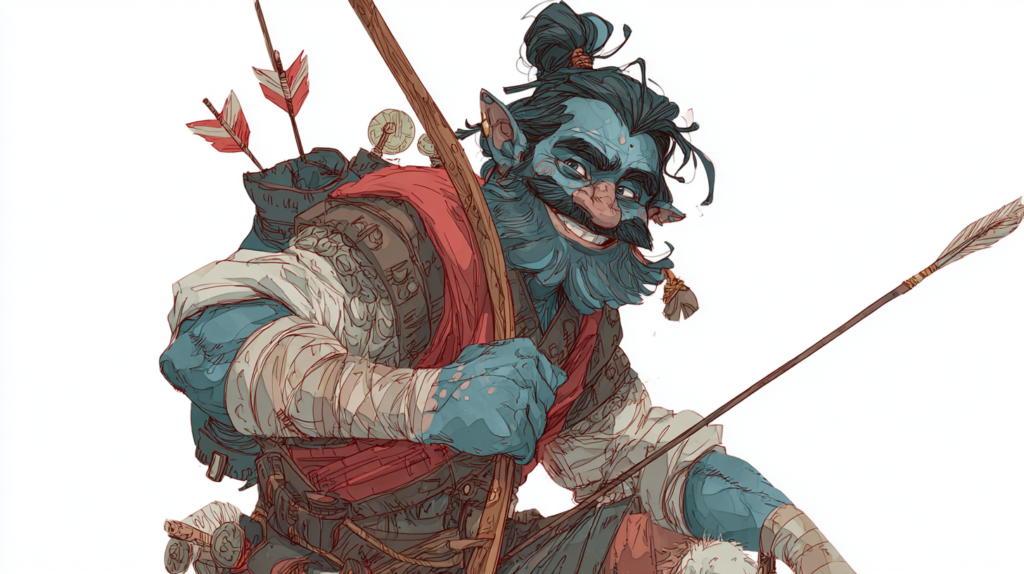
Best practices: Plan everything ahead. Focus on one or a maximum of two classes. Don’t multiclass before level 5 unless absolutely necessary for the story. Make sure it fits your character’s story and background. Always talk to your DM first before making any plans.
Popular combos that work well: Fighter/Rogue (reliable, consistent damage), Paladin/Warlock (huge burst damage with smites), Barbarian/Fighter (amazing tanking), Sorcerer/Warlock (magic flexibility and options), Cleric/Druid (spell variety for every situation).
Common mistakes to avoid: Spreading too thin across many classes, ignoring stat requirements, not understanding complicated spell rules, copying builds without comprehension, and forgetting proficiency limits from the table.
When to multiclass: After level 5 in your main class, when the story naturally calls for it, when you want to try something new and fresh, when your party desperately needs specific abilities.
Resource for rules: Player’s Handbook pages 163 to 165 have all the detailed technical rules. The D&D Beyond website can calculate everything automatically if math isn’t your strong suit and you want help.
Wrapping Everything Up
So there you have it, friend! Multiclassing is a tool that lets you customise your character way beyond what a single class can offer. It’s not mandatory at all, and plenty of players never multiclass in their entire D&D careers.
But when done thoughtfully and with planning, it creates truly unique characters that feel special to you and memorable to everyone at the table.
My advice after many years of playing at different tables: start with a single class for your first character or first two characters.
Learn how D&D works at a basic level first. Get comfortable with the game’s rhythm and flow. Once you feel comfortable and confident with the basics, then experiment with multiclassing. There’s absolutely no rush at all.
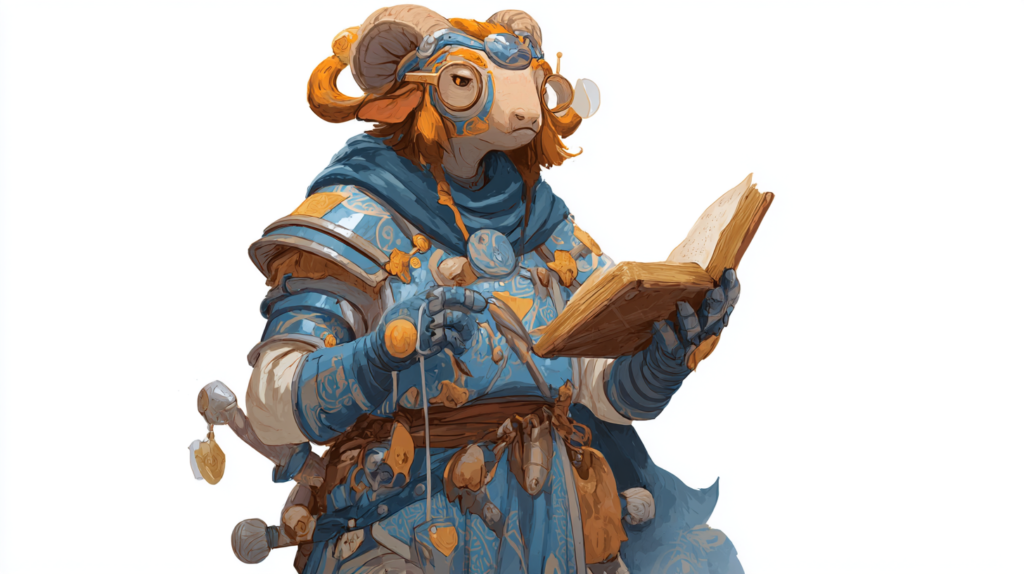
When you do eventually multiclass, let the story guide you naturally. The best multiclass characters I’ve seen all have clear, understandable motivations for their choices that make sense.
The Rogue who became a Cleric after being miraculously healed from certain death. The Wizard who learned proper swordplay to honour their fallen mentor, who saved them. These characters are memorable and beloved because their mechanics directly reflect their personal narratives and character arcs.
Don’t worry too much about creating the absolute “perfect” optimised build. The most mathematically powerful character at the table isn’t always the most fun to play or the most interesting to roleplay.
My favourite character ever was a Bard mixed with Barbarian who made absolutely zero sense mechanically or logically, but was completely hilarious and enjoyable for everyone at the table, including me.
Remember that D&D is fundamentally about shared storytelling with your friends around a table.
Whether you’re a single-class Champion Fighter or a triple-class Warlock/Paladin/Sorcerer with complicated mechanics, what truly matters is that you’re contributing to the group’s fun and enjoyment.
Help other people at the table, celebrate their victories and successes, and enjoy the journey your character takes through the campaign world.
Multiclassing is just one tool among many to make your character feel unique and special. Combine it with a great, detailed backstory, interesting personality traits and flaws, and memorable moments at the table, and you’ll create someone you’ll remember fondly for many years to come.
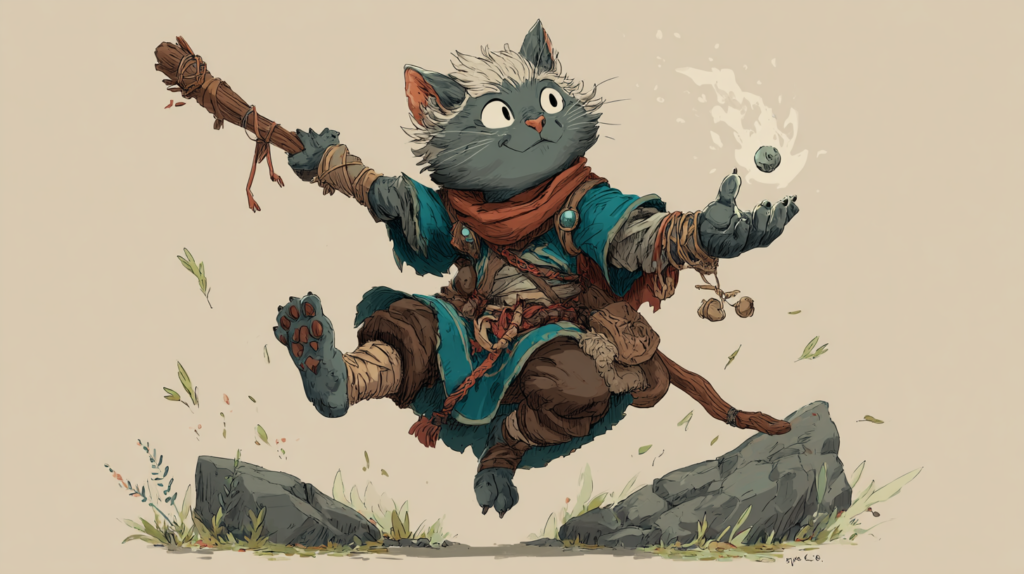
Your character will live in everyone’s memories long after the campaign ends.
Now get out there and create something wonderful and unique. And hey, if you try multiclassing and it doesn’t work out the way you hoped, that’s completely okay. You can always retire that character and start fresh with a new one.
That’s the real beauty of D&D. There’s always another adventure waiting just around the corner, always another character concept to explore and bring to life.
Frequently Asked Questions
Can I multiclass more than once into different classes?
Yes, you absolutely can take levels in as many different classes as you want, as long as you meet the ability score requirements for each one. However, I very strongly recommend sticking to two classes maximum for your own sanity.
Taking levels in three or more different classes means you’ll be spreading your abilities extremely thin, and you’ll rarely feel powerful or effective at anything. Your total character level increases, but your individual class features lag way behind single-class characters.
If you really want to try three or more classes, make absolutely sure you have a strong story reason that makes sense and understand clearly that you’re sacrificing a lot of mechanical power for versatility and uniqueness.
Most experienced players with years of experience agree that two class combinations provide the best overall balance between power and flexibility.
Do I have to meet requirements to leave my starting class?
Yes, you definitely need to meet the ability score requirement for your current class if you want to multiclass out of it into something else.
For example, if you’re a Paladin (which requires both Strength 13 and Charisma 13), you must keep those scores at 13 or higher to multiclass into another class. Your stats can’t drop below the requirements.
Sometimes players don’t realise that, and it catches them by surprise when they try to multiclass. The requirements are all listed clearly in the multiclassing prerequisites table on page 163 of the Player’s Handbook.
Check that table carefully before planning any multiclass combination to make absolutely sure you have the right stats needed for both your current class and your new target class.
Can I go back to my original class after taking levels in another class?
Absolutely yes! There’s no restriction at all on which class you take when you level up each time. You could be a level 5 Fighter, take 3 levels of Wizard, then take more Fighter levels afterwards.
You’d end up being something like a level 9 Fighter and level 3 Wizard at total character level 12. Many players do exactly that to grab specific useful features from another class without committing to it long-term.
People often call it “dipping” into a class. You just dip in for a few levels, then go back.
Just remember clearly that every single level not spent in your main class delays your access to higher-level features from that main class, so there’s always a trade-off to consider.
What happens to my hit points when I multiclass?
Each time you level up, you gain hit points based specifically on the class you’re taking that particular level.
Every class has its own hit die (like d10 for Fighters or d6 for Wizards). When you take a new level in a class, you roll that class’s specific hit die and add your Constitution modifier, or you can take the average value (which is safer, more consistent, and what most people recommend).
Your total hit points are cumulative from all your levels in all classes added together. So if you’re a level 5 Barbarian (who has d12 hit dice, which is big) and you take a level in Rogue (d8 hit dice, which is smaller), you’ll add fewer hit points for that Rogue level than you would have added for another Barbarian level.
That’s just how it works mathematically. One reason why multiclassing out of really tough classes like Barbarian or Fighter can make you a bit more fragile than you’d otherwise be if you stuck with them.
Content Attribution and License
The information in this blog post about multiclassing in D&D 5e is based on the official rules from the Dungeons & Dragons 5th Edition Player’s Handbook and Basic Rules.
Personal experiences, examples, advice, and interpretations shared in this guide represent the author’s own gaming experiences and are intended for educational purposes to help new players understand multiclassing concepts in an accessible, friendly way.
Liked the article, like you i was originally cautious about multiclassing. But after giving it a try and really think about it, almost all of my characters will probably multiclass.
One thing though. You need to meet the prereqs for both your orginal class and the new class, not just the new one. No cheese 8 wisdom lvl2 druid lvl 18 barbarians
Absolutely! It opens up so many new possibilities, but it is hard to initially get over that fear of missing out on the higher level features of sticking with a single class.
I just updated the article to reflect this. Thank you so much! I totally missed that originally, so I appreciate the correction!