
The Erupting Earth spell in Dungeons & Dragons 5th Edition.


The earth becomes a weapon with the Erupting Earth spell in Dungeons & Dragons 5th Edition. This 3rd level spell lets you unleash a violent tremor, transforming a 20-foot cube of ground into a churning mess of rock and dirt.
Creatures caught in the blast risk getting pummeled by flying debris, taking bludgeoning damage. Those with quick reflexes can dodge the worst by making a Dexterity saving throw. But that’s not all! The spell also leaves lasting scars on the battlefield.
The once stable ground becomes difficult terrain, hindering movement for anyone crossing the rocky mess. Clearing it with bare hands is a slow process, taking at least a minute per five-foot square. As your magic grows stronger, so does the devastation you can wreak with Erupting Earth. Using higher-level spell slots can increase the damage the spell deals, making it even more punishing for your foes.
Overview of Erupting Earth in D&D 5e

Imagine you’re in a fierce battle, and you can cause the ground itself to rise and attack your enemies! That’s the power of Erupting earth, a 3rd-level spell in Dungeons & Dragons 5th Edition (D&D 5e). Perfect for druids, sorcerers, and wizards who like to get in touch with their wild side (or earth side, in this case), this spell packs a punch.
How it Works
Erupting earth targets a point on the ground that you can see within range. Then, BOOM! A huge chunk of earth and rock explodes upwards in a 20-foot cube. Anyone caught in that zone is in for a rough time.
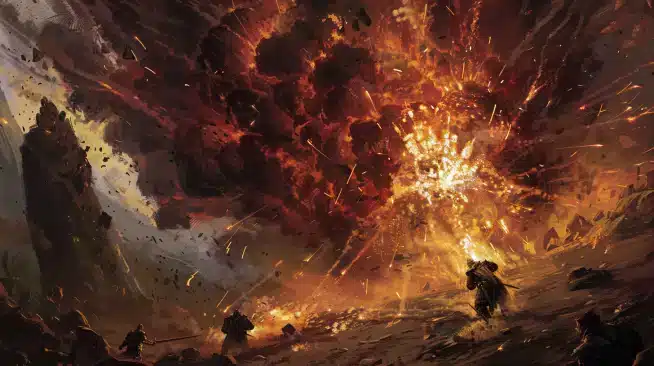
Each creature is unlucky enough to be there, so they have to make a Dexterity saving throw. Dexterity is how handy you are, so a high Dexterity means you’re good at dodging stuff. If they succeed, they only take half the damage. But if they fail…well, let’s say the earth doesn’t care much about apologies, and they take the full force of the eruption.
Speaking of force, that comes in the form of bludgeoning damage. This kind of damage you get from getting hit with a giant rock sounds pretty unpleasant. The base damage is 3d12, which can hurt!
More than just a Smackdown
Erupting the earth isn’t just about dealing with damage. It also messes with the battlefield in a big way. The area where the earth erupted becomes difficult terrain. This means it’s slow and tricky to move through, making it harder for your enemies to maneuver and giving you an advantage.

Clearing this rough terrain takes time, too. Each 5-foot square takes at least a minute to dig out by hand. So, if you cast Erupting earth in the middle of a narrow passage, your enemies are going to have a hard time getting past that obstacle.
Leveling Up the Boom
As your character gets more powerful, Erupting Earth gets even more impressive. When you cast it using a higher level spell slot (4th or higher), the damage increases by an additional 1d12 for each level above 3rd. So, at the 4th level, it’s 4d12, the 5th level is 5d12, and so on. That’s a lot of earthen fury!
Earthshaking Potential
Erupting earth is a versatile spell that can be used offensively to damage and slow your foes or defensively to create obstacles and control the battlefield. It’s a great spell for characters who want to harness the power of nature and make their enemies tremble before the might of the earth!
A Breakdown of Erupting Earth in D&D 5e
Calling upon the power of the land itself, Erupting Earth is a 3rd-level spell that lets you cause a violent upheaval in the ground. Here’s a closer look at how it works:

Making the Ground Tremble:
- Casting Time: This spell takes just one action to cast, making it a quick and reactive option in combat.
- Range: You can unleash this earthen fury from up to 120 feet away, keeping yourself out of harm’s way.
- Area of Effect: The spell targets a 20-foot cube on the ground. Imagine a giant block of stone – that’s the area where the earth erupts.
Stone and Fury:
- Destructive Force: Creatures caught within the erupting cube face the brunt of the attack. They must make a Dexterity saving throw to avoid the brunt of the flying rocks and earth.
- Taking the Hit: On a failed save, a creature takes a hefty amount of bludgeoning damage (3d12). This can seriously injure or even knock out an opponent. A successful save halves the damage.
- Shaking Things Up The ground doesn’t settle easily after the eruption. The area becomes difficult terrain, hindering movement for creatures caught in the aftermath.
Clearing the Debris:
- Lingering Effects: The difficult terrain created by the erupting earth doesn’t disappear on its own. It takes at least a minute of digging to clear each 5-foot square of the affected area. This can slow down your party or hinder pursuers.
Scaling the Power:
- Higher Levels: Erupting Earth gets even more destructive at higher spell slots. When you cast it using a 4th level or higher spell slot, the damage increases by an additional d12 for each level above 3rd.
Using Erupting Earth Effectively:
This spell is a versatile tool for battlefield control. Here are some ideas for using it:
- Crowd Control: Catch a group of enemies in the eruption zone to deal damage and slow their movement.
- Area Denial: Erupt the earth in a choke point to block enemy movement or create a difficult obstacle.
- Environmental Advantage: Use the difficult terrain to your party’s advantage by forcing enemies to move slower while you maintain a good position.
Tactical Uses of Erupting Earth in D&D 5e
Erupting earth, a 1st-level spell, might seem unremarkable at first glance. But for cunning adventurers, this spell can be a tactical powerhouse. Let’s delve into how to get the most out of this spell and turn the battlefield in your favor.

Area Denial and Control:
Imagine a narrow corridor where your enemies must bunch up. Cast Erupting earth in the center, forcing them to take bludgeoning damage and potentially fall prone. This disrupts their formation and creates a hazardous zone they’ll have to navigate carefully. Use this to your advantage! Position your party on either side and unleash attacks on the now-vulnerable foes.
Flanking Maneuvers:
Erupting earth is fantastic for setting up flanking opportunities. If enemies are dug in behind cover, cast the spell behind them, forcing them to either take damage or move out of position. This opens them up to attacks from multiple sides, dealing significant extra damage.
Environmental Manipulation:
Think creatively! Erupting the earth can be used to trigger environmental effects. Is there a loose boulder precariously balanced above a foe? Erupt the earth beneath it, causing a rockfall and showering your enemies with debris. Does a river flow nearby? Erupt the earth at the riverbank, potentially causing a dam or diversion, flooding the enemy position.
Combo Potential:
Erupting earth works wonders with other spells and abilities. Combine it with spells like Grease or Web to create an even more hazardous zone for enemies. Cast erupting earth before an area-of-effect spell like Fireball to potentially push enemies into the blast radius. For melee characters, erupting earth can create difficult terrain, hindering enemy movement and giving you an edge in close combat.
Don’t Forget the Terrain:
Be mindful of the environment! Erupting the earth might cause unintended consequences. In a cavern with a weak ceiling, you might risk bringing it down on yourselves and your enemies. Using the spell near flammable materials could create an explosion. Think about the surroundings before casting to avoid creating more problems than solutions.
By using Erupting Earth creatively and strategically, you can turn the tide of battle. Remember, a little bit of earth magic can go a long way!
Countering Erupting Earth in D&D 5e
Erupting earth is a powerful 3rd-level Druid spell that can cause havoc on your adventuring party. A churning mass of rock and stone erupts from the ground, dealing bludgeoning damage and creating difficult terrain. But don’t despair!

Here are some ways you can counter this earth-shattering magic:
Dodge the Debris:
The most straightforward approach is to avoid the eruption altogether. Since the targeted area is a 20-foot cube, characters with good Dexterity can try to make a Dexterity saving throw. With a successful save, they take half the damage and might be able to leap clear of the worst of the falling debris.
Shields Up!
Protective spells can be a lifesaver. Shield of Faith grants a +2 bonus to your AC, potentially turning a failed save into a successful one. Similarly, spells like Absorb Elements can absorb some of the bludgeoning damage.
Magic for Magic:
Fire fights fire, or in this case, earth fights earth! Counterspell is a powerful 3rd-level reaction spell that can completely negate Erupting Earth if timed right. This requires good reflexes and the willingness to expend a high-level spell slot, but it can shut down the threat entirely.
Planar Power:
Druids aren’t the only ones who can manipulate the ground. Melfs Minute Meteors, a 3rd-level evocation spell, allows you to launch three small flaming meteors at the targeted area. The resulting explosions could potentially disrupt the erupting earth, causing the enemy caster to make a concentration check to maintain the spell.
Think Outside the Box
Don’t be limited to traditional spellcasting. Creatures with flying abilities can soar above the eruption, taking no damage. Party members with teleportation magic, like Misty Step, can reposition themselves out of harm’s way. Even shoving a creature prone before the eruption can give them a disadvantage on their saving throw, potentially reducing the damage they take.
Environmental Awareness:
Use the environment to your advantage. If the eruption is cast outdoors, look for pre-existing difficult terrain like boulders or pits. These obstacles could break the fall of the debris, lessening the damage for anyone caught in the blast zone.
By understanding Erupting Earth and employing the right tactics, you can turn the tables on your enemies and weather the storm of rock and earth!
Roleplaying in Erupting Earth 5e
This D&D spell makes the ground shake and rocks shoot out. It’s powerful, but there are more ways to use it than just hurting bad guys. Imagine how your character would use this magic in different adventures!

Witnessing the Raw Power:
Imagine your character, a seasoned adventurer, encountering this spell for the first time. The earth convulses beneath their feet, throwing them off balance. Fear and awe grip them as they witness the destructive potential of magic. This encounter could spark a new respect for powerful spellcasters or a deep fear of uncontrolled magic.
The Aftermath: Picking Up the Pieces
The eruption leaves a chaotic scene. Shelters are destroyed, supplies buried, and panicked villagers cry for help. This is where your character’s personality shines. Does your stoic fighter take charge of organizing rescue efforts? Does your mischievous rogue see a chance to “salvage” valuables from the rubble?
Unearthing Secrets:
The earth’s upheaval can reveal hidden things. The eruption could uncover an ancient dwarven tunnel or a forgotten artifact. This could lead your party on a thrilling treasure hunt or force them to confront a lurking danger awakened by the magic.
Moral Dilemmas:
Imagine the eruption traps innocent people underground. Your party has the power to save them but at a cost. The spell might have destabilized the area, making a rescue attempt risky. Will your characters prioritize their own safety or risk their lives to save others?
The Power of Nature:
Erupting the earth is a stark reminder of nature’s raw power. Perhaps your character witnesses a druid using the spell to defend their territory, sparking a debate about the ethics of wielding such destructive magic.
Factions and Conflict:
Powerful factions might see the eruption as an opportunity. A greedy merchant guild could exploit the chaos to buy land at rock-bottom prices. A tyrannical ruler could exploit the fear to tighten their grip on the people. Your party might find themselves caught in the middle, forced to choose a side or forge their own path.

This advice can help you turn Erupting earth into something even better – a spark for awesome moments in your game. The next time you cast it, remember the epic stories waiting to happen!
The Summary
Erupting Earth is a great spell for Druids and other magic users who control Earth. It’s good for both offense and defense. It lets you attack enemies from a safe distance and slow them down with rubble. It also gets stronger as you get stronger, making it a useful spell to have throughout your adventures. Even though it doesn’t do the most damage compared to some other spells, it can help you control the battlefield and win the fight.
Erupting Earth: Frequently Asked Questions
Here are five frequently asked questions about the Erupting Earth spell in Dungeons & Dragons 5th Edition:
1. What does Erupting Earth do?
Erupting earth is a 3rd-level spell that causes a geyser of rock and dirt to erupt from the ground. It creates a 20-foot cube of difficult terrain and deals bludgeoning damage to creatures caught in the area.
2. How much damage does Erupting earth deal?
The base damage of Erupting Earth is 3d12 bludgeoning damage. Creatures can make a Dexterity saving throw to take half damage. You can increase the damage by spending higher-level spell slots. Each level above 3rd increases the damage by an additional 1d12.
3. What kind of terrain does Erupting earth create?
Erupting the earth creates difficult terrain. This means moving through the area costs extra movement, and some creatures might have a disadvantage on attack rolls made within the zone.
4. How long does the difficult terrain last?
The difficult terrain created by Erupting Earth lasts indefinitely until it is cleared. Clearing the area by hand takes 1 minute per 5-foot square.
5. Can Erupting Earth be cast anywhere?
Erupting earth can only be cast on the ground, which you can see within 120 feet. This means you can’t cast it underground or on ceilings or walls.