
The Ideal Party Size for D&D 5e: How Many Players Do You Need?


So, you want to start playing Dungeons & Dragons 5e, but you’re not sure how many people you need sitting around the table. That’s totally fine.
This is one of those questions that seems simple on the surface, but there’s actually more to it than you might think. The ideal party size for D&D 5e can really make or break your gaming experience, and I want to walk you through this so you understand exactly what works best.
Here’s the thing: the game works best with 3 to 5 players, though 4 to 5 is the real sweet spot that most experienced Dungeon Masters and players swear by. But before you just pick a number and stick with it, let’s talk about why this matters and what happens when you go bigger or smaller.
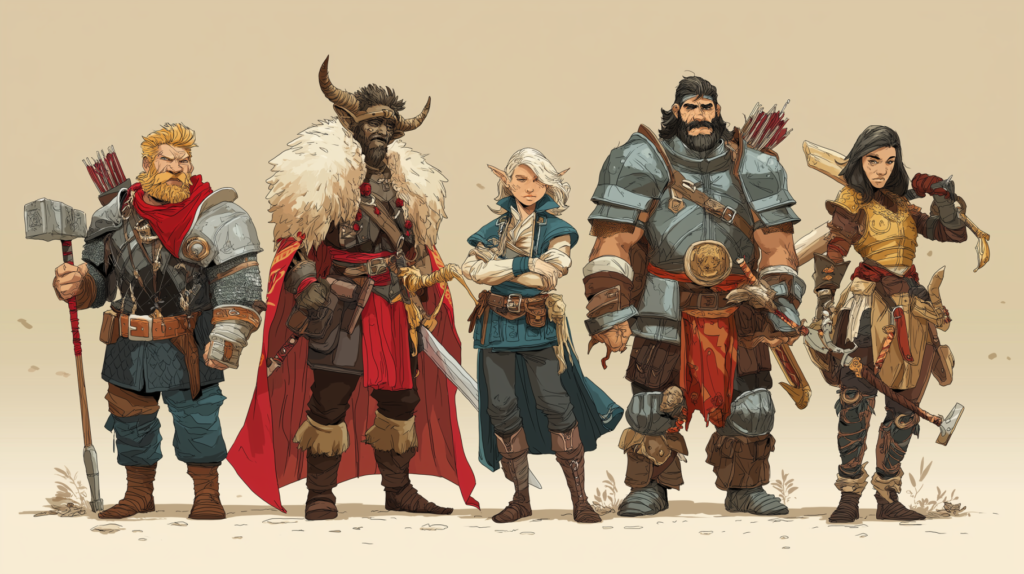
The ideal party size for D&D 5e isn’t just about rolling dice and fighting monsters. It’s about making sure everyone at your table has fun, gets their time to shine, and doesn’t spend half the session bored while waiting for their turn.
When Wizards of the Coast designed D&D 5e, they kept this ideal party size in mind. That means the official adventures, the rules for encounter difficulty, and how much experience you earn are all balanced around having roughly 4 to 5 people playing. When you stay in this range, you don’t have to do crazy math or change things around much. The game just works.
Why 4 to 5 Players Is the Ideal Party Size for D&D 5e
Let me be straight with you. If I had to pick one number for the ideal party size for D&D 5e, I’d say four. Four players plus one Dungeon Master creates what’s called the “sweet spot.” This number has been tested by thousands of gaming groups, and it keeps coming up as the best option.
Why four? Well, there are several good reasons. First, when you have four players, each person gets plenty of time to do their thing during the game. In combat, everyone takes their turn without too much waiting around.
Out of combat, during those moments when you’re exploring a dungeon or talking to important people in a town, everyone gets to participate without things feeling rushed or messy.
Second, with four players, you can usually cover all the important roles in a party. You might have someone tough enough to stand in front of enemies and take damage. Someone who can heal when things go wrong.
Someone sneaky who can pick locks and find traps. And someone who can cast spells and solve magic problems. Not every group has all these roles perfectly covered, and that’s okay. But four people make it much easier to have a balanced group where nobody feels like they’re just sitting on the sidelines.
Third, and this is really important, four players means the game stays fast. When you’re fighting enemies, each round goes quickly because you’re not waiting forever for ten people to take their turns.
That keeps the energy up and keeps people from getting bored. I’ve run games with larger groups, and honestly, there’s this moment in every combat where someone’s eyes start to glaze over because they’ve been waiting ten minutes for their turn. That doesn’t happen as much with four people.
From a Dungeon Master’s point of view, running for four players is manageable. You can build encounters that feel exciting and challenging without having to do complicated math or completely rewrite the adventures that Wizards of the Coast publishes.
When you’re new to D&D or new to being a Dungeon Master, that’s a real blessing. You can focus on telling a good story instead of constantly recalculating how many monsters you need to make a fight fair.
The ideal party size for D&D 5e really does hit different when you’ve got that four-player setup. I’ve personally run dozens of sessions with groups of four, and there’s just a smoothness to how it all works. People aren’t stepping on each other’s toes, combat moves fast enough to stay exciting, and roleplaying moments don’t feel diluted or rushed.
Understanding the 3 to 5 Player Range
Now, the official guidance from the Dungeon Master’s Guide says the ideal party size for D&D 5e is somewhere between 3 and 5 players. That’s a slightly bigger range than just four, and there are good reasons why this range works.
When you have three players, the game changes a bit. You get a more personal story because there are fewer characters to manage. Each player feels like their character really matters. If someone does something brave or smart, it has more weight because there are only three people sharing the spotlight.
Combat might take a little less time too, which some people really like. However, three players can sometimes struggle with combat encounters if they’re not built carefully. There are fewer people to distribute damage against, so unlucky rolls from one player can start feeling hopeless pretty quickly.
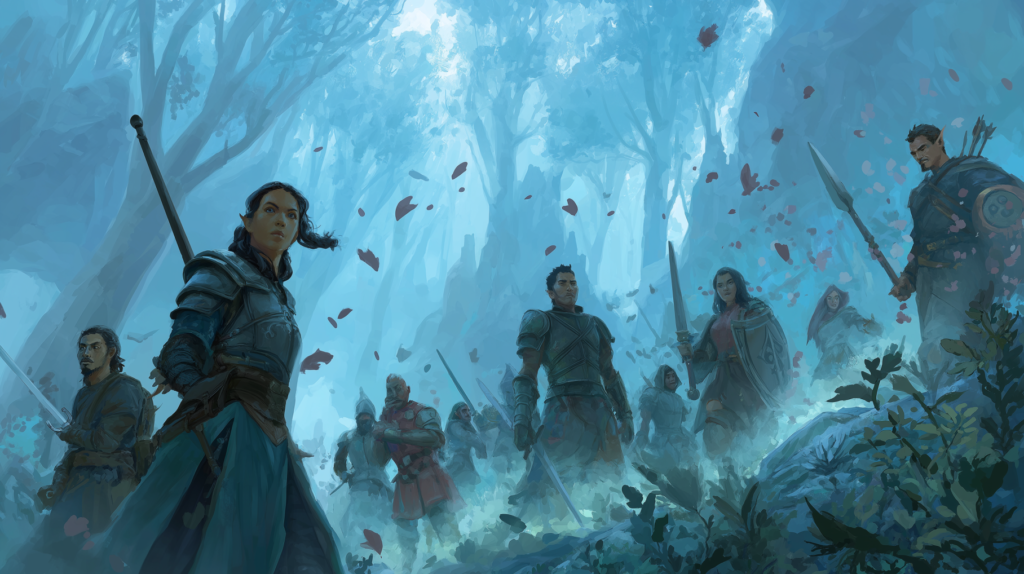
Also, if someone misses a session, you’re down to just two players, which can feel pretty thin.
When you have five players, you’re getting into more complex territory. Five gives you lots of options for character types and party composition. You can have more diverse characters and more interesting party dynamics. The problem is that combat starts to slow down a bit.
That fifth person’s turn means another five to ten minutes of waiting for everyone else. Some groups love the richness of having five distinct characters with different backgrounds and personalities. Other groups find that fifth person makes combat drag just enough to become not fun anymore.
So the ideal party size for D&D 5e really depends on what you value most. If you want the smoothest, fastest game with the least amount of prep work, four is your answer. If you want more variety and don’t mind combat taking a bit longer, five can work great. If you want a smaller, more personal experience and don’t mind a slightly trickier time balancing combat, three is totally playable.
Most published adventures from Wizards of the Coast are written for 4 to 5 players. That’s another clue that this is the ideal party size for D&D 5e.
When you have fewer than three or more than six players, you start to need to modify how the adventures are set up. That’s not the end of the world, but it’s extra work.
From my experience running games, I’ve found that when people are asking about the ideal party size for D&D 5e, they’re usually trying to solve a real problem. Maybe they’ve got too many friends who want to play, or they’re struggling to find enough people.
Understanding that 3 to 5 is the range helps you know what adjustments might be needed if you can’t hit that perfect four.
What Happens with Smaller Groups (2-3 Players)
Playing D&D with just two or three people is definitely possible, and honestly, some groups really prefer it this way. If you’ve got a smaller group, there are some real benefits, but there are also some challenges you need to know about.
With three players or fewer, each character becomes super important. There’s no hiding behind the crowd. If your character does something clever, everyone knows about it and respects it.
Roleplaying can feel deeper because there’s more attention on what each person is doing. Many players actually like this more personal experience. It can feel less like a group game and more like a shared story that the three of you are telling together.
Combat with three or fewer players can also be quicker, which some people really enjoy. You get through fights in less time, which means more time for exploring and talking and solving puzzles. If your group just wants to get through encounters and get to the story stuff, a smaller party might actually be better.
But here’s where it gets tricky. The ideal party size for D&D 5e in the 4 to 5 range exists partly because of how combat math works in the game. When enemies attack, they’re doing math based on how many characters they expect to face.
With three players, those enemies can sometimes hit harder than you’d expect. A single mistake or unlucky roll can put a character in real danger much faster than it would with more people around to help.
Also, with fewer players, you lose flexibility in what your party can do. If everyone needs a cleric for healing, but nobody in your three-person group wants to play one, you’ve got a real problem. With four or five people, it’s easier to have someone fill that role. With three, you might have to get creative with solutions.
From my experience, if you’ve got a group of two or three people, I recommend getting at least one “sidekick” character. That’s a simple extra character that one of the players controls, mostly in combat, to help balance things out. It’s in the official rules, and it can make a huge difference in how fun the game is.
Another thing about smaller groups: if someone misses a session, you drop down to one or two people playing. That can really mess with the flow of a campaign. With a bigger group, one person missing isn’t as big a deal because you’ve still got plenty of people there to keep things going.
So while smaller groups can work, and they can be really rewarding for the right people, the ideal party size for D&D 5e really does work better when you’ve got at least three, and preferably four or five.
What Happens with Larger Groups (6+ Players)
Now let’s talk about what happens on the other side. What if you’ve got six, seven, or even more people who want to play? This is actually a pretty common problem. Everyone wants to join the adventure, and you don’t want to tell your friends they can’t play.
Here’s the honest truth: the ideal party size for D&D 5e stops being ideal once you hit six players. Can you play with six? Sure. Can you have fun? Absolutely. But things change, and you need to know what you’re getting into.
The biggest problem with larger groups is time. Combat takes forever. I’m not exaggerating. When you’ve got six or seven people, each one taking a turn, and some of them taking a while to decide what to do, a single combat encounter can eat up an hour or more of your session. That means less time for story, exploration, and the stuff that lots of people actually prefer to fighting.
Also, with more people at the table, there’s more talking happening that’s not about the game. People get distracted. Side conversations start up. Before you know it, the person whose turn it is doesn’t even know what’s happening in combat. I’ve seen this happen so many times in larger groups.
From a balance perspective, the ideal party size for D&D 5e exists because of encounter math. When you write an encounter for the game, you’re supposed to use specific formulas to figure out how hard it should be.
Those formulas work great for 3 to 5 players. With six or more, the math starts to break down. Monsters that should be dangerous become jokes. Or you have to add so many enemies that the combat becomes chaotic and unpredictable.
Here’s something else: with a bigger group, less attention goes to each person. Maybe you’ve got six people, but one person is really quiet or shy. They might not get many chances to speak up or do something interesting because there’s just too much happening. The ideal party size for D&D 5e is partly about making sure everyone has their moment.
If you do want to run a game for six or more people, you can make it work. You just need to adjust a lot of things.
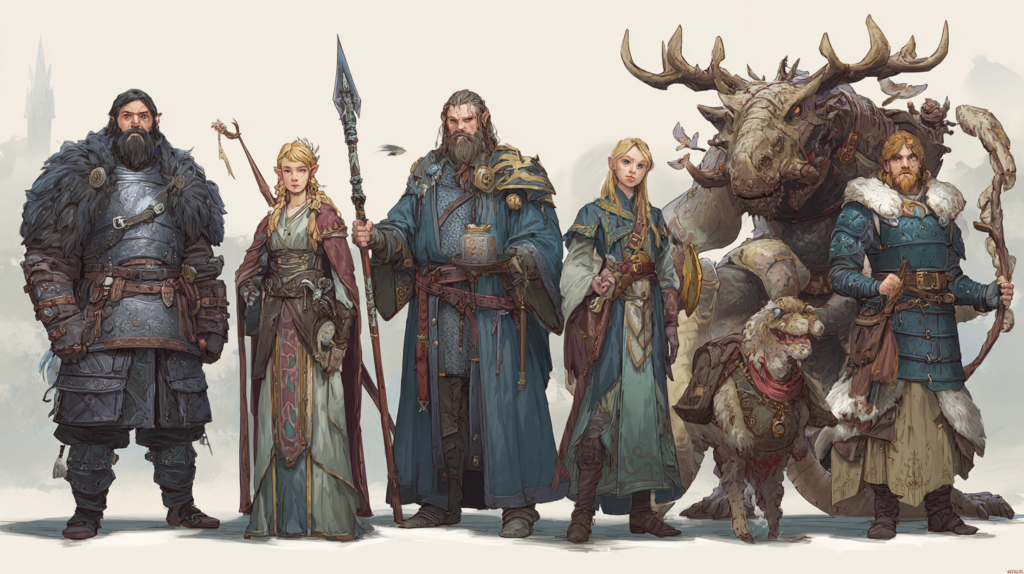
You might need to speed up combat by using simplified rules. You might need to have more encounters with more enemies instead of fewer encounters with tougher enemies. You’ll definitely need to be more careful about encounter balance. And honestly, you need to be a pretty experienced Dungeon Master to pull it off smoothly.
Some groups do manage larger games. I know some experienced DMs who run games for seven or eight people and love it. But they’re usually people who’ve been doing this for years. For someone new to the game, I would really recommend sticking closer to the ideal party size for D&D 5e, which is 4 to 5 people.
Party Composition and Roles Within Your Ideal Group
So we’ve talked about how many people you need, but now let’s talk about what types of characters make up your ideal party size for D&D 5e. This matters because even with the right number of people, you can have problems if everyone’s doing the same thing.
In D&D 5e, there are basically five main roles that a good party fills. You don’t need all five with every group, but having most of them makes life easier.
First, there’s the Tank. This is the character who stands in front and takes damage. Think of them as the person protecting everyone else. Fighters, Barbarians, and Paladins are usually tanks. They have lots of health and tough armor. Their job is to make sure enemies focus on them instead of the squishy spellcasters in the back.
Second, there’s the Healer or Support character. This is usually a Cleric or Druid. They keep people alive when things go wrong. They also use magic to help the party do things better, like making your attacks stronger or protecting people from bad stuff. A good support character means people don’t die as easily.
Third, there’s the Rogue or Skill Monkey. This character is good at doing many things. They’re sneaky, they can pick locks, they can find traps. They’re basically your party’s problem-solver when swords and spells don’t work.
Fourth, there’s the Spellcaster or Controller. This is usually a Wizard or Sorcerer. They use powerful magic to do big effects. They might cast a spell that sets an entire group of enemies on fire, or they might control where enemies move so they can’t hurt your teammates.
Fifth, there’s the Face. This character is good at talking and dealing with people. Bards are really good at this, but other characters can be too. The Face is who you send to negotiate with the bad guys or convince guards to let you through.
Now, here’s the thing about the ideal party size for D&D 5e: with four people, you can usually hit most of these roles. Maybe you don’t have a perfect Face, or maybe your Rogue also does some healing. That’s fine. The game is flexible enough that not every role needs to be filled perfectly. With five people, you can usually get all five roles covered if you want to.
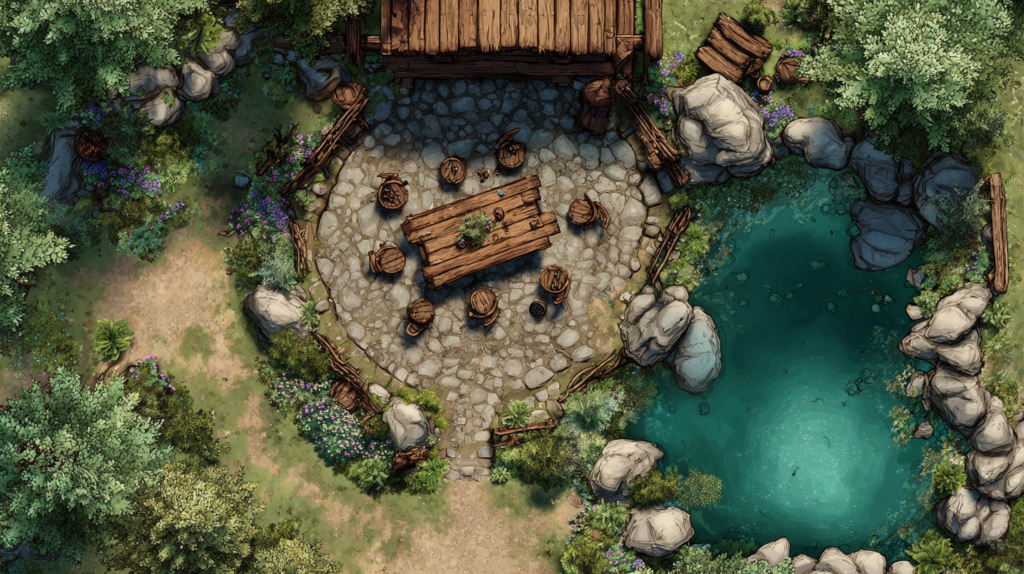
This is actually one reason why four to five is the ideal party size for D&D 5e. It’s big enough to have a nice mix of abilities, but not so big that everyone’s doing the same thing or stepping on each other’s toes.
When you’re building your group, don’t stress too much about making sure every role is covered. If everyone wants to play wizards and rogues, you can make that work. The game is designed to be flexible. But knowing about these roles helps you understand what might make your group feel balanced and fun.
Tips for Finding Your Perfect Group Size
At the end of the day, the ideal party size for D&D 5e might not be the same for everyone, and that’s okay. What matters most is finding what works for your specific group of friends and how you all like to play.
Here’s my advice for figuring out what size works best for you. Start by thinking about how much time you have. If you all have limited time and want to get through encounters quickly, lean toward the smaller end of the ideal party size for D&D 5e, maybe three or four people. If you’ve got plenty of time and enjoy complex, long sessions, five people might be better.
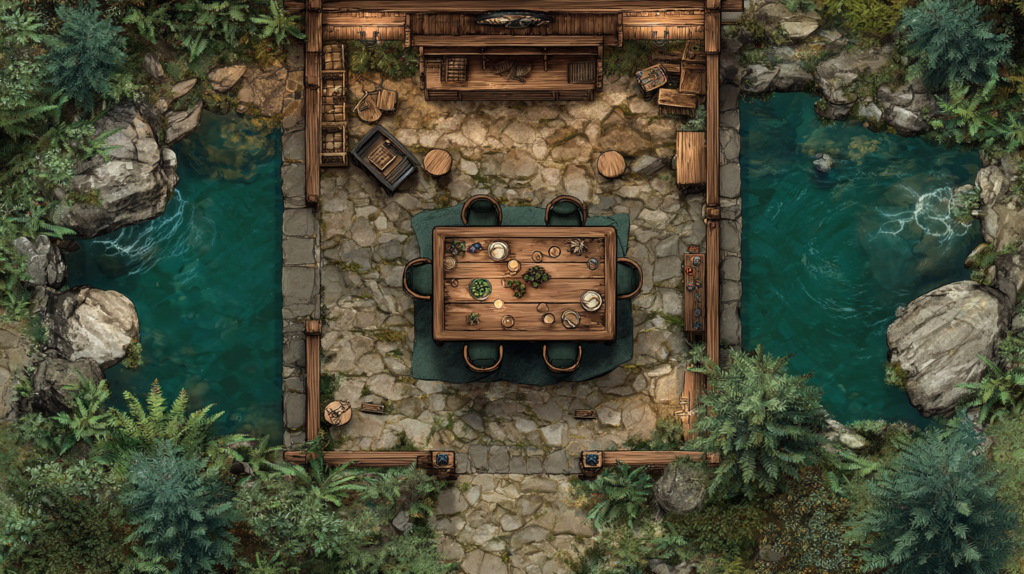
Also think about your players. Are they the type who carefully plan out their turns, or do they make quick decisions? Quick decision makers mean combat moves faster, so you can handle more people. Careful planners mean combat takes longer, so fewer people might be better.
Consider whether you want to run published adventures or make up your own story. If you’re using official books and adventures from Wizards of the Coast, the ideal party size for D&D 5e is what those books are written for, which is 4 to 5. If you’re making up your own stuff, you have more freedom to experiment with different group sizes.
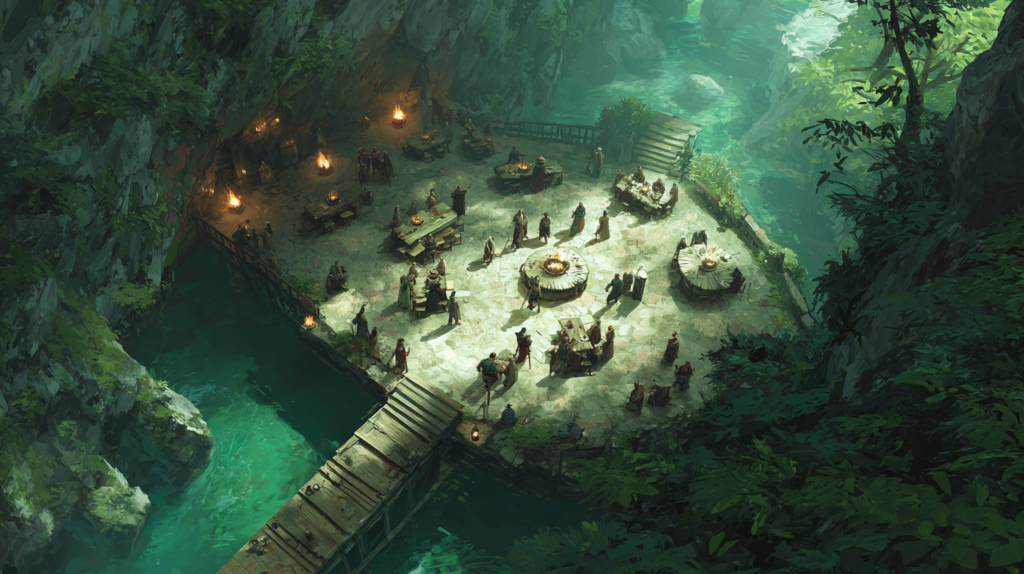
Think about your players’ experience too. Brand new players often do better in slightly smaller groups where they don’t feel overwhelmed by all the choices and turns. Experienced players can handle larger groups better because they know what to do on their turn faster.
Also, be honest about how many people you actually have available to play. It’s better to start with four people you know will show up than to plan for five and have people bail on you regularly. The ideal party size for D&D 5e only works if people are actually there.
Finally, don’t get too locked into your first group size. Try playing a session or two, see how it feels, and adjust. Maybe you start with four and realize three would be better. Or maybe you’ve got five people and they’re telling you they’d love to add a sixth friend. That’s the nice thing about D&D: it’s flexible enough to adapt as your group figures out what works best.
Comparison Table: Party Sizes and Their Impact
| Party Size | Speed of Combat | Role Coverage | Prep Work for DM | Spotlight Time Per Player | Best For |
|---|---|---|---|---|---|
| 2-3 Players | Very Fast | Limited | Moderate | High | Personal stories, intimate gameplay |
| 4 Players | Fast | Good | Low | Excellent | Balanced game, published adventures |
| 5 Players | Moderate | Excellent | Low to Moderate | Good | Rich variety, complex party dynamics |
| 6+ Players | Slow | Excellent | High | Limited | Large friend groups, experienced DMs |
TL;DR: The Quick Version
The ideal party size for D&D 5e is 4 to 5 players, with 4 being the absolute sweet spot. This size is balanced, moves quickly, covers all the important character roles, and matches what the official adventures are built for.
Smaller groups (2-3) work great for personal stories but need careful combat balancing. Larger groups (6+) offer great variety but combat gets slow and everyone gets less individual attention.
Start with 4 if you can, adjust based on your group’s style, and remember that the best party size is the one where everyone at your table is having fun.
Conclusion: Making Your D&D Group Work
So there you have it. The ideal party size for D&D 5e is something that game designers, experienced Dungeon Masters, and tons of player communities all agree on: around 4 to 5 people. This isn’t just random advice. It comes from actual experience and from how the game itself is built.
But here’s the most important thing I want you to take away: the “ideal” party size matters less than having people at your table who want to be there and have fun.
If you’ve got seven friends who are excited to play, and you’re willing to put in the extra work as a Dungeon Master to make it work, then do that. If you’ve got three friends and you want an intimate, personal game, that’s great too.
The ideal party size for D&D 5e is really just a guide to help you avoid common problems and make sure the game runs smoothly. Use it to help you make decisions about how many people to invite to your game. But don’t let it stop you from playing if your number isn’t exactly four or five.
D&D is supposed to be fun. That’s the whole point. Find the group size that lets you and your friends have the most fun, and go with that. Once you’ve played a few sessions with that number, you’ll start to feel whether it’s working. If it is, keep going. If it isn’t, adjust for next session. That’s the beauty of this game: it adapts to you.
Frequently Asked Questions About Party Size
Q: Can you play D&D 5e with just one person and one Dungeon Master?
A: Yes, absolutely! It’s called one-on-one play or solo D&D, and lots of people do it. The game changes quite a bit because there’s only one character, but it can be really fun and personal. You might want to give that character an extra companion or two to help in combat, but one-on-one games are totally valid.
Q: What’s the maximum number of players you can have before it gets too hard to manage?
A: Most experienced DMs say that six is where things start getting really challenging, and seven or more is where it becomes very difficult to manage well. That said, some incredibly experienced DMs can run games with eight or nine players. It just takes a lot of skill and preparation. For most people, six is the upper limit before things become unmanageable.
Q: If I have the ideal party size for D&D 5e but someone keeps missing sessions, what should I do?
A: That’s a tough situation, but you have a few options. You could ask if they can commit to showing up most of the time. You could play without them and have the game go on, which is totally fine. Or you could have them run a simple companion character (called a sidekick) that joins the party when they’re not there. Talk to your group and figure out what works best for everyone.
Q: Do certain types of adventures work better with different party sizes?
A: Yes, they do! Smaller groups are great for investigations and exploration where the focus is on roleplay and problem-solving. Larger groups are better for epic battles and adventures where having lots of different characters adds to the fun. Balanced groups of 4 to 5 work well for any type of adventure, which is one more reason why that’s the ideal party size for D&D 5e.
Let’s be extremely conservative and assume that it takes a player about 1 minute to complete their turn.
I wish I were in your games… with the exception of martial classes, the average player in my games (ones that I play in, and also GM) take more like 2-3 minutes. I always make an effort to keep my turns short (sometimes as quick as 20 seconds!) but I’ve not played in a game with 1 minute turns.
I agree it shouldn’t take that long… after all, a player turn (say, 1 minutes) verses a characters turn (6 seconds) means players have 10 TIMES as long to decide what to do, and it still takes that long to decide which spell or ability to use… it’s painful.