
Why the Sling Deserves a Spot in Your D&D 5e Arsenal


In a world full of enchanted swords, mythical creatures, and powerful spells, it’s easy to overlook the simpler things in life. One such underdog in the world of Dungeons & Dragons 5th Edition (5e) is the humble sling.
Yep, I’m talking about that small, unassuming weapon made of leather and a few stones that you’ve probably ignored on your character sheet more times than you can count. But don’t let its simplicity fool you—this tiny weapon has a lot to offer, especially if you know how to use it!
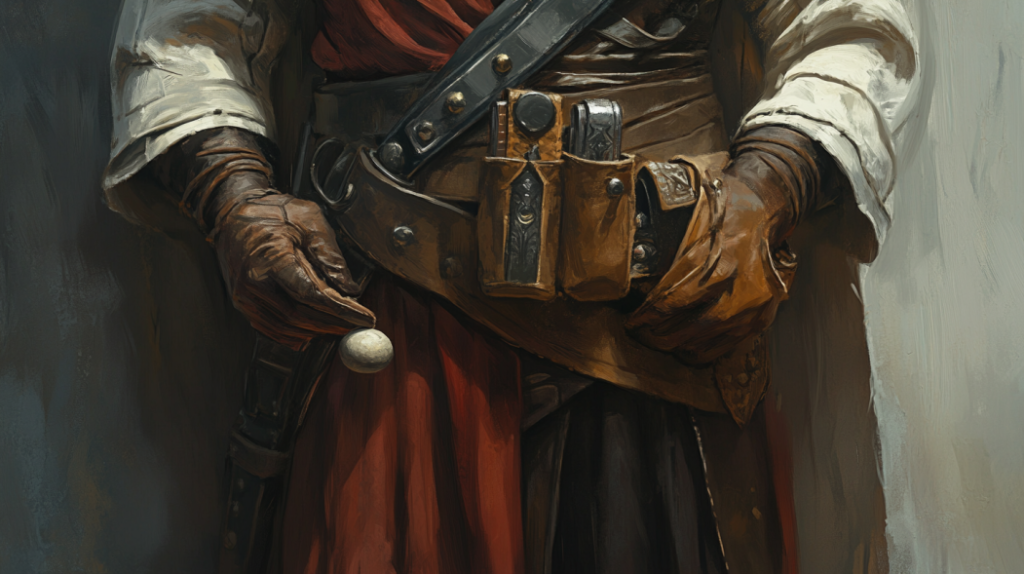
This guide is all about the sling in D&D 5e, and we’ll walk you through why this low-tech weapon can be surprisingly versatile. Whether you’re a brand-new player trying to figure out how to make the most of your simple weapon proficiency, or a veteran looking for a fun new build, this guide will give you everything you need to start slinging with style.
Sling Basics: What You Need to Know
Before we dive into the tactical and creative uses of the sling, let’s get the basics down. The sling is one of the simplest weapons in D&D, both in terms of mechanics and lore. It’s essentially a leather strap or pouch with a stone or bullet that’s hurled at high speed by spinning it in a loop.
This basic ranged weapon can be found in the Player’s Handbook under the simple ranged weapons section.
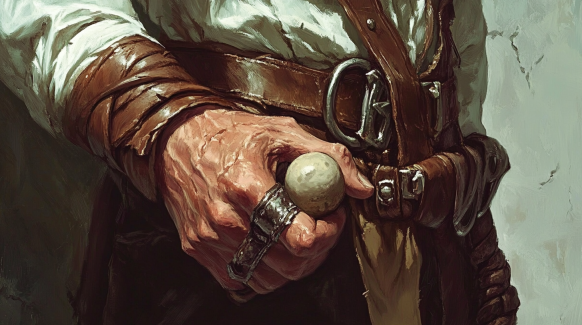
Here’s a breakdown of the sling’s stats in 5e:
- Damage: 1d4 bludgeoning
- Range: 30 feet (normal range) / 120 feet (long range, with disadvantage)
- Weight: Almost none! It’s so light, you won’t even notice it in your inventory.
- Ammunition: You’ll need some small stones, bullets, or similar objects to use it.
- Properties: Ranged, ammunition
While the sling’s 1d4 damage doesn’t sound like much compared to, say, a greatsword’s 2d6 or a longbow’s 1d8, don’t dismiss it just yet. There are situations, classes, and strategies where the sling really shines.
Why Choose a Sling in 5e?
Now you might be asking, “Why should I bother using a sling when there are bigger and better weapons out there?” And that’s a fair question! But let’s break down the advantages of using a sling, especially when you consider factors like cost, versatility, and role-playing potential.

1. Cheap and Available
One of the best things about the sling is that it’s super cheap. In fact, it’s free in most campaigns when it comes to ammo. You don’t need to buy or craft special arrows, bolts, or bullets (unless you want to get fancy). Stones are literally everywhere, and most DMs will let you pick them up off the ground as you adventure. You’ll never run out of ammo with a sling in hand.
2. A Simple Weapon for Simple Classes
The sling is classified as a simple weapon, which means pretty much anyone can use it. This is a huge plus for classes like clerics, druids, sorcerers, and wizards that don’t have proficiency with more complex weapons. If you’re a spellcaster or support class that wants to contribute some damage at a distance without needing to rely solely on magic, a sling is a solid option.
3. Easy to Carry
Slings are incredibly light—so light that they’re basically weightless. You can carry one around without ever worrying about encumbrance or space in your inventory. This makes it a great backup weapon, even if it’s not your primary choice.
4. Bludgeoning Damage
Unlike most ranged weapons (like bows or crossbows), the sling deals bludgeoning damage. This may not seem like a big deal at first, but there are monsters and enemies in 5e that are resistant or immune to slashing and piercing damage but not to bludgeoning. Having a sling on hand can help you bypass certain damage resistances when you’re facing enemies like skeletons or golems.
5. Role-Playing Opportunities
The sling’s simplicity can add a lot of flavor to your character. Imagine a halfling rogue using a sling for sneak attacks or a monk in a remote village training with slings as part of their daily routine. There’s something humble and resourceful about using a weapon that’s been around for millennia.
Plus, it’s a great way to add a bit of flair to your character’s backstory—maybe they grew up on a farm and used a sling to protect livestock from wolves, or perhaps they were a street urchin who honed their skills by slinging stones at pickpockets.
Best Classes for Sling Use
Although anyone can use a sling thanks to its status as a simple weapon, some classes can really make it shine. Let’s look at a few of the best class choices for using a sling in D&D 5e:
1. Rogues
One of the biggest advantages for rogues is that they get the Sneak Attack feature, which can turn even a weak weapon like a sling into a deadly force. As long as you have advantage on the attack roll (or an ally is within 5 feet of your target), you can add your Sneak Attack damage to your sling attack. A rogue with a sling can stay hidden, snipe enemies from afar, and still deal impressive damage.
2. Clerics
Most clerics don’t start with proficiency in martial weapons, which limits their ranged options. But with a sling, clerics can still contribute to ranged combat without needing to invest in weapon feats or magical items. It’s also a fitting weapon for certain cleric archetypes—imagine a Nature Domain Cleric who uses stones blessed by their deity to strike down enemies from afar.
3. Monks
Monks focus on agility, movement, and unarmed strikes, but what about when you need a ranged option? A sling can fit perfectly with the monk’s lightweight and mobile playstyle. It doesn’t encumber them, and it offers a way to deal damage from a distance when closing in on enemies isn’t an option.
4. Wizards and Sorcerers
Wizards and sorcerers aren’t exactly known for their weapon skills, but there will be times when they need to attack without using up spell slots. A sling is a simple, no-fuss way to make ranged attacks when you’re trying to conserve your magic. Plus, if you’re a Druid, the cantrip Magic Stone allows you to magically enhance stones, turning your sling into a pretty serious weapon for low-level encounters.
How to Use a Sling Effectively in Combat
The sling may seem like a simple weapon on the surface, but there are some solid tactics you can use to make it even more effective in combat. Whether you’re a rogue trying to maximize damage or a cleric supporting your party from afar, these strategies will help you get the most out of your sling:

1. Pair it with Sneak Attack (for Rogues)
As mentioned earlier, rogues can deal devastating damage with a sling thanks to their Sneak Attack ability. Stay hidden or use allies to gain advantage on your attack rolls, and your sling’s humble 1d4 damage will quickly ramp up with extra Sneak Attack dice.
2. Take Advantage of Cover
Because the sling has a decent range (up to 120 feet with disadvantage), you can stay out of harm’s way by using cover to your advantage. Hide behind trees, walls, or rocks while taking potshots at enemies who can’t reach you. The sling’s lightweight design means you can remain mobile and reposition yourself easily after every shot.
3. Use the Magic Stone Cantrip
If you’re a spellcaster with access to the Magic Stone cantrip, you’re in luck! This spell lets you imbue up to three stones with magical energy, allowing you to hurl them (or sling them) at enemies for 1d6 + your spellcasting modifier in damage. It’s a great way to add a bit of extra punch to your sling attacks, especially if you’re a druid or warlock with limited spell slots.
4. Maximize Range
The sling’s 30/120 feet range is a bit shorter than a longbow, but it’s still plenty of distance to stay out of melee range. Position yourself strategically to hit enemies without getting too close. While the disadvantage on long-range shots (anything over 30 feet) is a downside, it still gives you flexibility in larger combat areas or when facing flying creatures.
5. Use it to Trigger Traps
In certain situations, you might want to trigger traps or activate environmental hazards from a distance. A sling can be a perfect tool for this! Firing a stone at a pressure plate, knocking over a vase, or hitting a lever can all be done from a safe distance using a well-aimed sling shot.
Creative Roleplaying with a Sling
One of the things that makes D&D such a beloved game is the creative freedom it offers, and that extends to how you use your weapons. While the sling may seem like a basic tool for dealing damage, it can be much more than that. Let’s explore some ways you can creatively incorporate a sling into your character’s story and interactions:
1. The Farmhand Background
Perhaps your character grew up on a farm, using a sling to protect crops and livestock from predators. This humble weapon could hold sentimental value, a reminder of simpler days before you set out on your grand adventure. Maybe your character is a bit of a sharpshooter, able to hit targets from impressive distances thanks to their childhood experience.
2. The Street Urchin
Imagine a rogue or bard who grew up in the streets, using a sling to fend off bullies or as a tool for petty theft. This weapon could be symbolic of their resourcefulness and quick thinking. Maybe your character still uses their sling to create distractions or hit far-off objects when things get tough.
3. The Tribal Warrior
In some cultures, slings are important weapons, passed down through generations. Your character might come from a tribe or village where the sling was a rite of passage or a sacred tool. This can add a lot of depth to your backstory, giving you a unique connection to the weapon that goes beyond mechanics.
How to Incorporate a Sling into Your Builds
Let’s talk about some fun character builds that incorporate the sling as a key part of their strategy. While the sling isn’t going to be your typical go-to for high damage, it’s still a fun and thematic choice for certain builds.
1. The Halfling Rogue Sharpshooter
Halflings are natural with slings! Their Lucky trait means they can reroll 1s on attack rolls, and when you combine this with the Sneak Attack feature, you’ve got a stealthy sniper who can deal reliable damage from a distance. Take the Sharpshooter feat to remove disadvantage on long-range shots, and now your halfling rogue can fire from 120 feet away without penalties.
2. The Druid with Magic Stones
For druids, the Magic Stone cantrip makes the sling a much more viable combat option. You’ll be dealing 1d6 damage plus your spellcasting modifier, which makes the sling feel more impactful. This is perfect for low-level druids who want to conserve their spell slots for healing and utility spells while still contributing in combat.
3. The Divine Cleric
A cleric who worships a nature deity might find the sling fitting for their character. Imagine blessing the stones you sling, each one a prayer for your enemies’ redemption. Your sling could be your primary weapon while you provide healing and support from the backlines.
Conclusion: The Sling in D&D 5e—More Than Just a Pebble Thrower
At first glance, the sling might seem like one of the weakest and least impressive weapons in D&D 5e. But with a little creativity, strategy, and role-playing flair, it can be a surprisingly effective and fun tool in your arsenal.
Whether you’re slinging stones at goblins from the shadows, triggering traps, or using enchanted pebbles to blast enemies with magic, the humble sling has a lot of potential for players who want to think outside the box.
The next time you’re rolling up a new character or trying to shake up your combat style, give the sling a shot (pun intended). You just might find that this simple weapon adds a new layer of excitement and versatility to your adventures.
FAQs About the Sling in D&D 5e
1. Can I use Sneak Attack with a sling?
Absolutely! As long as you meet the conditions for Sneak Attack (such as having advantage or an ally within 5 feet of the target), you can apply Sneak Attack damage to your sling attacks.
2. How far can I shoot with a sling?
The sling has a range of 30 feet for normal attacks and 120 feet for long-range attacks (with disadvantage).
3. Do I need to buy ammunition for my sling?
While you can buy bullets or stones for a sling, most DMs will let you gather stones as you travel, making it a nearly cost-free weapon.
4. Can monks use a sling effectively?
Yes, monks can use a sling as a simple ranged weapon. While it won’t benefit from Martial Arts or Unarmed Strike, it’s a great option for ranged attacks when you can’t get close to your enemies.
5. Are there any magical slings or stones in D&D 5e?
Yes, there are magical versions of slings and sling bullets that can offer bonus damage or special effects. Keep an eye out for enchanted items in your adventures!